

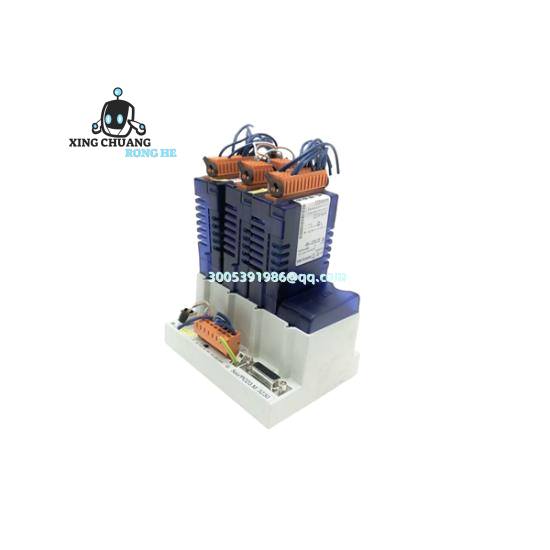
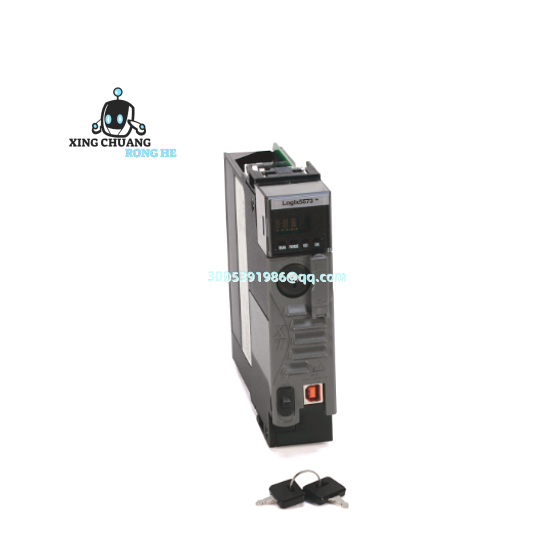
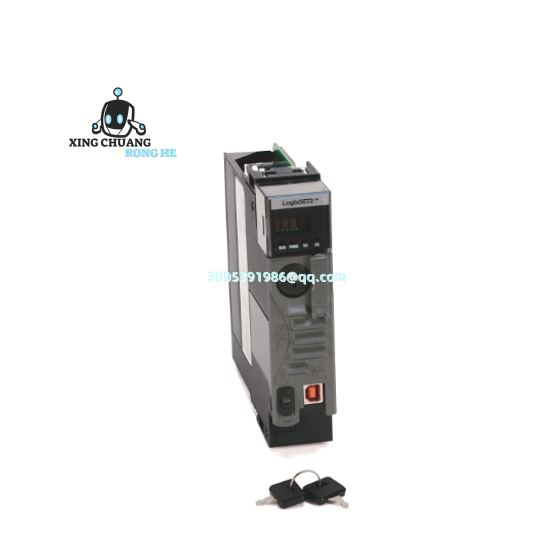
A-B 1756-L73XT ControlLogix Processor Module: Industrial Workhorse
This thing’s built for plants that can’t afford downtime—think automotive assembly lines suddenly halting or chemical processes going sideways. The 1756-L73XT crunches complex logic at speed while juggling real-time data from hundreds of sensors. Honestly, it’s the kind of module you install and forget about until your maintenance team asks why it’s still humming after eight years straight.
| Brand | Allen-Bradley (Rockwell Automation) |
| Model | 1756-L73XT |
| Processor Speed | 1.15 GHz dual-core |
| Memory | 8 MB program / 16 MB data (non-volatile) |
| I/O Capacity | Up to 128,000 tags |
| Comms | Dual Gigabit Ethernet, ControlNet, DeviceNet |
| Weight | 780 g |
| Operating Temp | -20°C to 60°C |
Where You’ll Actually Use This Beast
Saw one last month keeping a West Coast brewery’s bottling line running during a freak power surge—the whole plant went dark except for the PLC cabinet. Operators just rebooted and picked up where they left off. It’s common in oil & gas for pipeline monitoring (paired with 1756-IF16H analog inputs), or material handling systems using 1756-OB16D outputs. If you’re running anything from FANUC robots to legacy Modbus devices, this module talks the language. We move dozens monthly for GE Fanuc CNC retrofits and Triconex safety integrations—model 1756-L73XT’s the glue holding those Frankenstein systems together.
Why It Doesn’t Crap Out Mid-Shift
That dual-core setup? One core handles your ladder logic while the other manages comms—so when the SCADA system hogs bandwidth, your machine doesn’t stutter. Personally, I found the non-volatile memory saves headaches during brownouts; no more frantic tag re-downloads like with older 1756-L6x models. The dual Ethernet ports let you run parallel networks—one for HMIs, one for safety systems—without extra switches. And yeah, it plays nice with Bently Nevada vibration monitors or Foxboro FBM203s through RSLinx. Redundancy’s baked in too: pair two 1756-L73XTs with a 1756-EN2TR and you’ll barely blink during failover. One Midwest plant told me their switchover time’s under 50ms—faster than their conveyor belts can coast to a stop.
There are no reviews yet.