

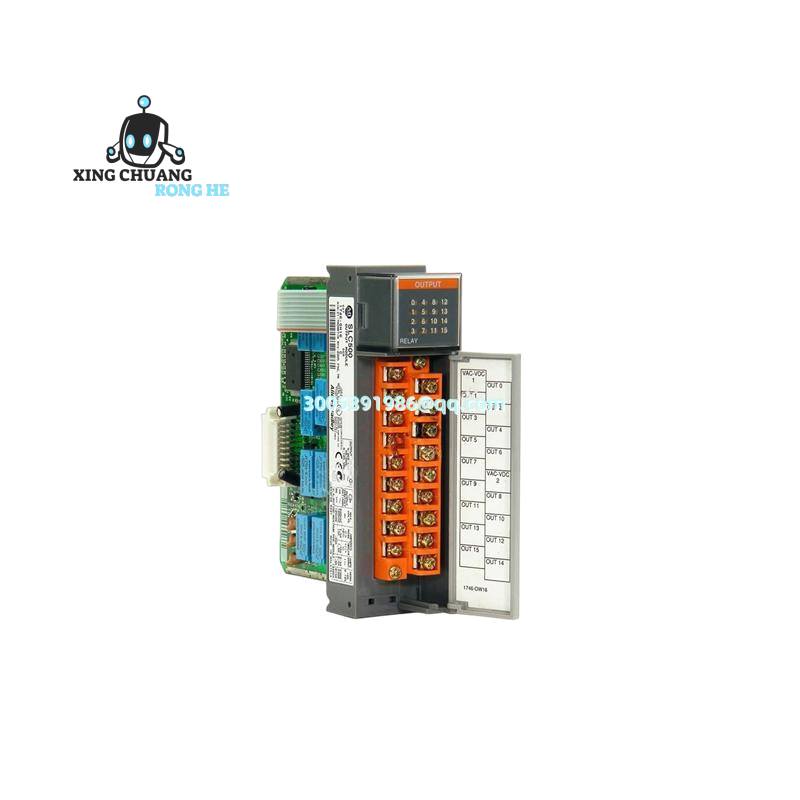
Allen Bradley 1746-OW16: Your SLC 500’s Reliable Output Workhorse
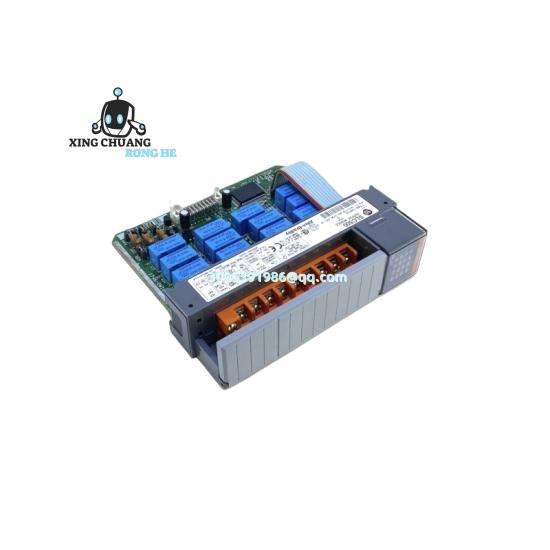
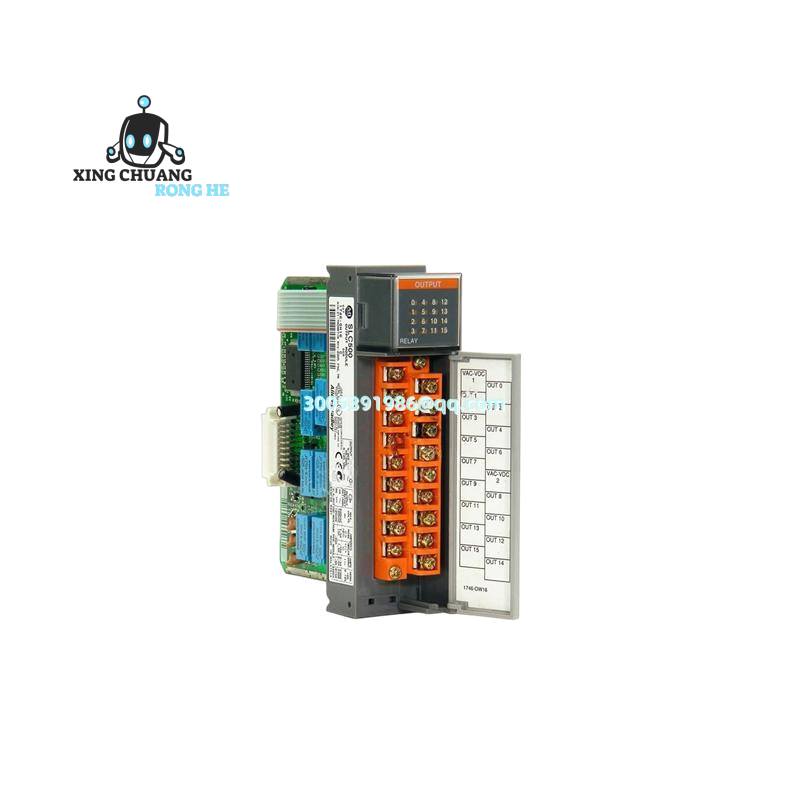
When your SLC 500 needs to actually do something—like fire up a conveyor, trip a safety valve, or toggle a 240V heater—this 16-channel relay module gets it done. Seen it keep production lines humming in auto plants and food processing facilities where solid-state outputs would’ve fried from voltage spikes. Handles messy industrial power without breaking a sweat, which honestly matters more than fancy specs when the line’s down at 2AM.
| Brand | Allen Bradley (Rockwell Automation) |
| Model | 1746-OW16 |
| Output Type | N.O. Relay (Form A), 2 groups |
| Voltage Range | 85-265V AC / 5-125V DC (not 5-265V AC—common mistake!) |
| Contact Rating | 2A @ 250V AC resistive |
| Dimensions | 129 x 110 x 30 mm (fits standard SLC 500 rack) |
| Weight | 320g |
Where You’ll Actually Use This Thing
Picture a bottling plant where this module toggles capping heads—those mechanical relays shrug off the 240V inductive kicks from solenoid valves that’d murder solid-state outputs. Or that grain elevator control room running for 15 years straight because the OW16’s contacts don’t weld shut during voltage sags. We see these paired with 1746-IB16 inputs for tank level control, or driving contactors in HVAC systems where dirty power’s the norm. If you’re still on SLC 500 (and yeah, plenty of you are), this is the output module that won’t ghost you during harvest season.
Why It Outlasts the Hype
Let’s be real—nobody buys these for “innovation.” You grab the OW16 because its relays handle voltage spikes like a champ when your plant’s power grid acts up. That physical isolation between control and load side? Lifesaver when troubleshooting. And unlike solid-state modules, you can actually hear the contacts click during diagnostics (old-school but weirdly reassuring). Works straight out of the box with any SLC 500 backplane—no firmware headaches. Oh, and that dual-group isolation? Keeps your 24V sensor circuits from frying when the 240V heater shorts. One Midwest plant manager told me his have run since 2009 with just one contact clean-up last winter. Not bad for something controlling soybean dryers.
There are no reviews yet.