

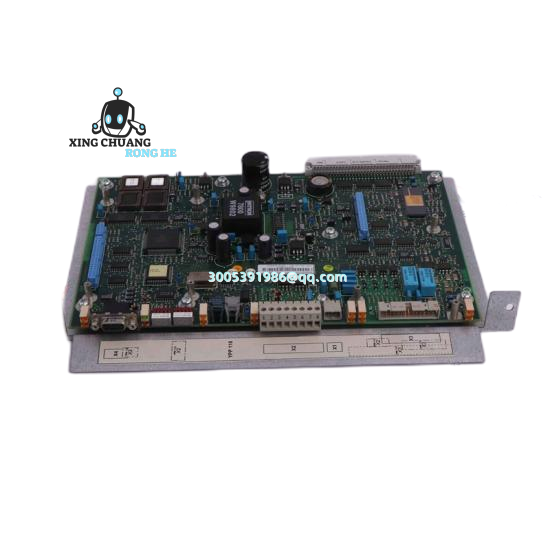
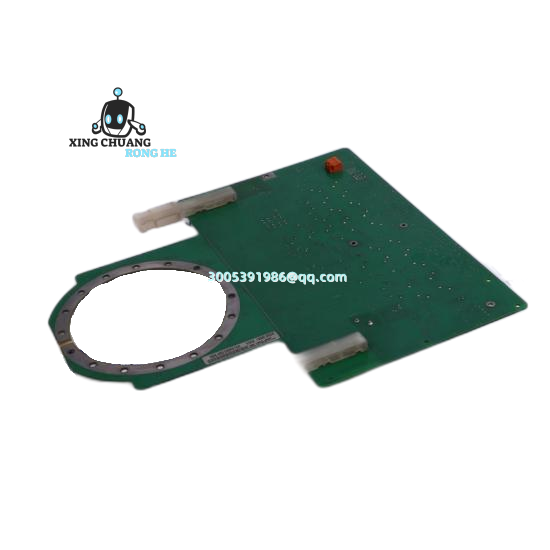
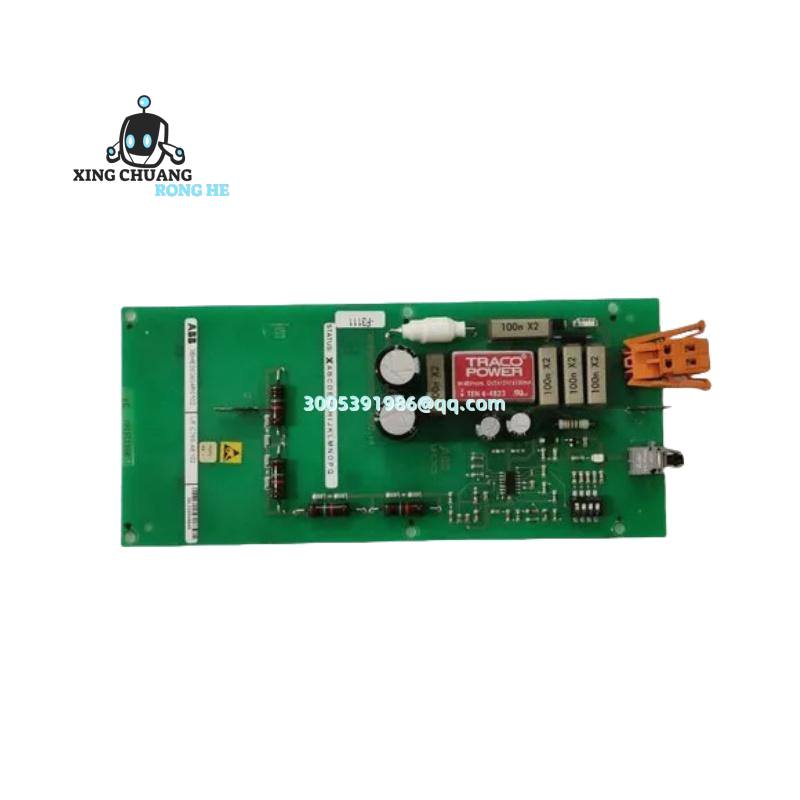
ABB REG670: The Workhorse That Keeps Your Grid Running When Things Get Ugly
Forget fancy promises—this is the relay that actually holds up when your substation’s sweating through a summer peak load or a polar vortex hits. Plants running aluminum smelters or wind farms rely on the REG670 daily to stop a $2M transformer from becoming scrap metal. Seen it pull double duty during grid instability events where cheaper relays just gave up. You know how sometimes protection systems trip for no reason? Not this one.
| Brand | ABB |
| Key Attributes | Overcurrent/earth fault protection, dual-core processing, self-diagnostics |
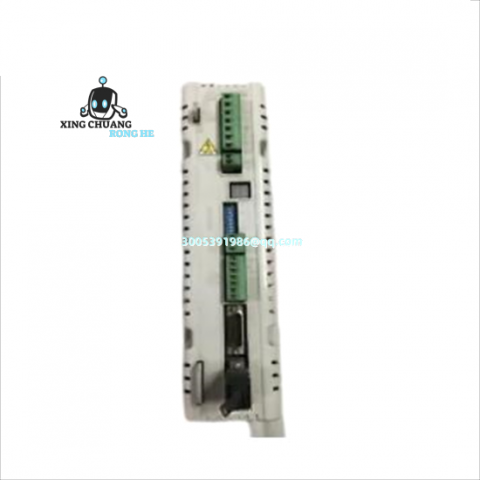
| Physical Specs | 148 x 100 x 45 mm, 2.3 kg (light enough to swap during shift change) |
| Electrical Range | 1–110 kV inputs, handles 50–3000 A CTs |
| Operating Limits | -40°C to +70°C (survived -38°C in Alberta last winter) |
| Comms | IEC 61850, Modbus RTU/TCP, DNP3.0 |
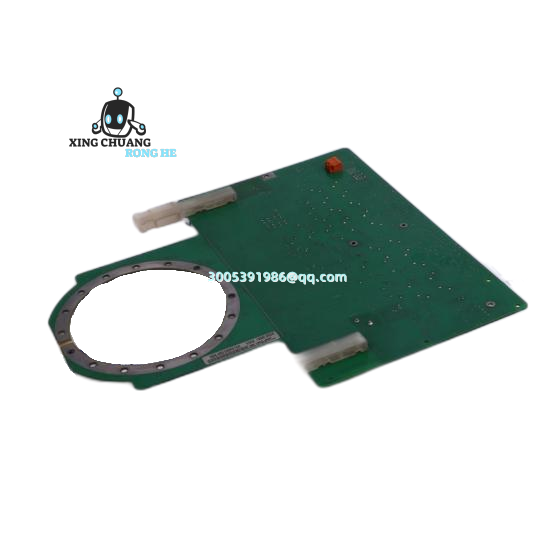
Cement plants running kilns 24/7? REG670’s your guy. Oil refineries with aging switchgear? Same story. We’ve got them paired with AC800PEC controllers in Norwegian hydropower stations and alongside GE’s Mark VIe in gas plants. Funny thing—last month a paper mill in Ohio called screaming about nuisance tripping; turned out their old relays couldn’t handle the harmonic distortion from new VFDs. Swapped in REG670s, problem vanished. Also plays nice with Foxboro FBM240 modules for I/O handling and Triconex 3505E for safety shutdowns. Honestly, if your system runs on 110kV or less, this thing’s probably already in your spare parts cabinet.
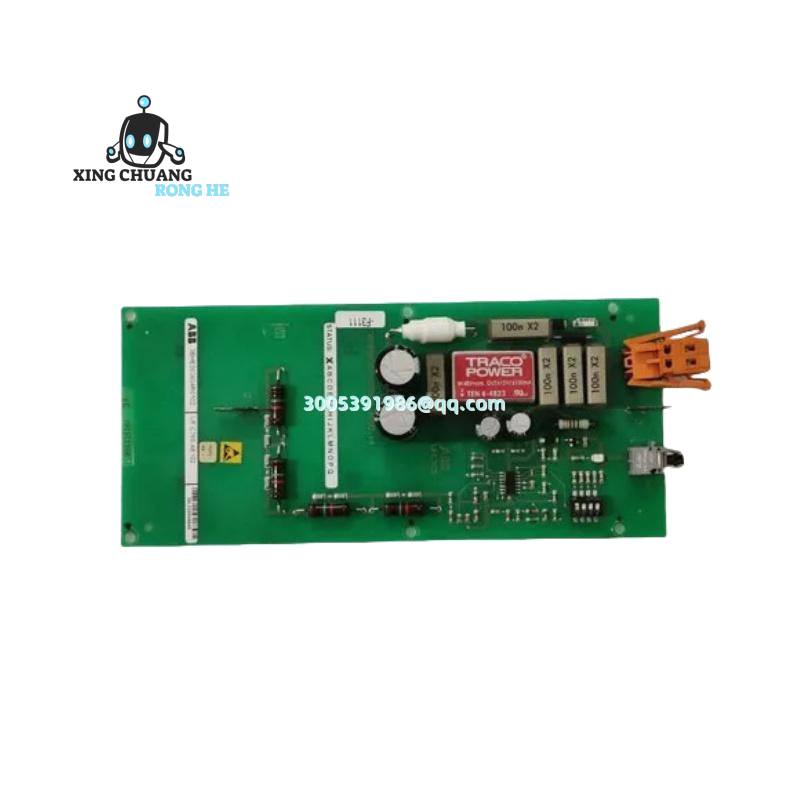
Why It Doesn’t End Up in the Scrap Bin After Two Years
Most relays crumble when voltage sags hit or during capacitor bank switching surges. The REG670’s dual-core architecture actually cross-checks measurements—saw one catch a developing ground fault 17 minutes before it would’ve blown a bus coupler. Its self-test cycle runs every 20ms, so if a component drifts out of spec (like that time in Brazil with the humidity), it’ll flag it before causing a trip. Compatibility’s wider than you’d think: bolt it into legacy systems with Modbus or go full digital substation with IEC 61850. Personally, I’ve seen sites run it in hot standby with another unit for critical feeders—no fancy “redundancy suite” needed, just proper wiring. Oh, and that -40°C rating? Not theoretical. A client in Saskatchewan left one on a truck bench overnight during January; fired right up at 6AM. Try that with some Asian knockoffs.
There are no reviews yet.