

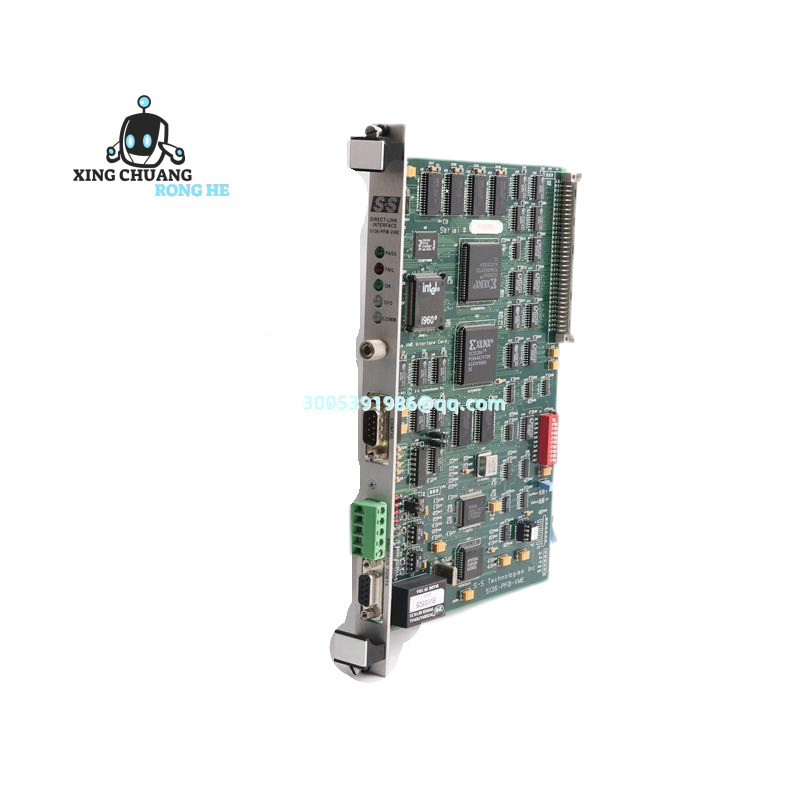
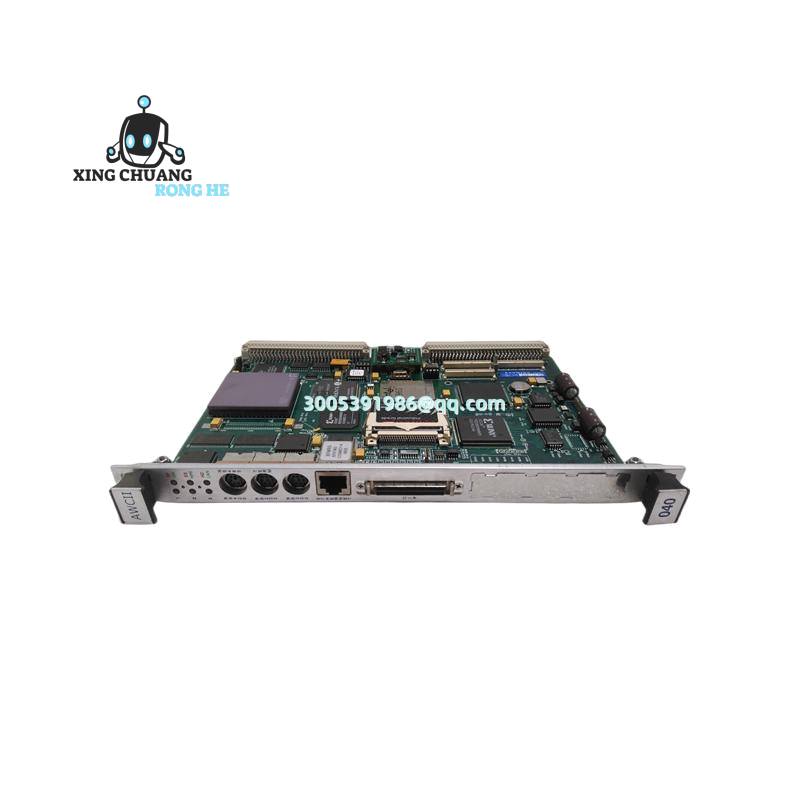
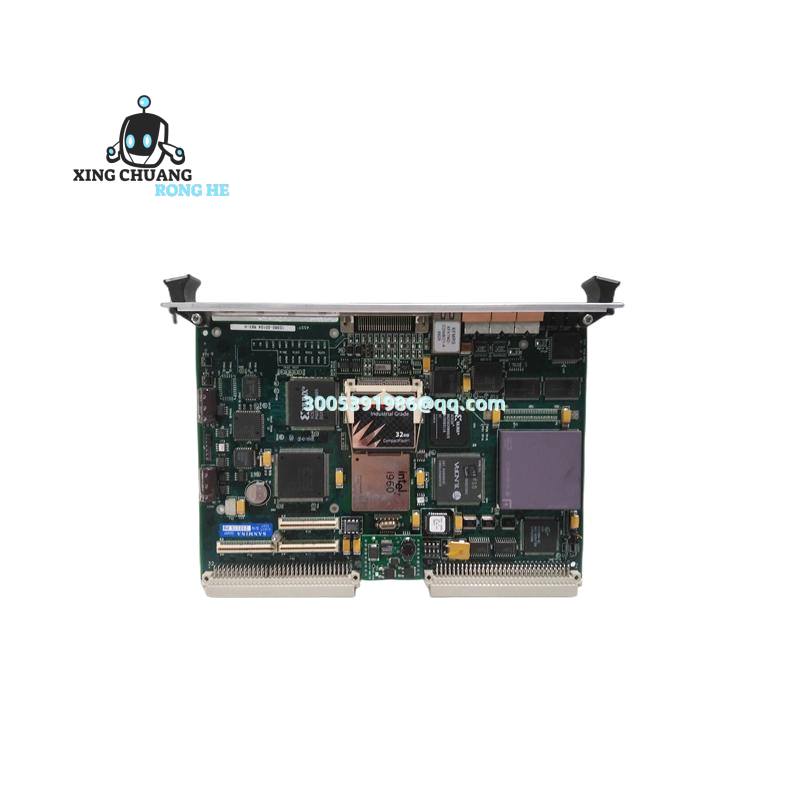
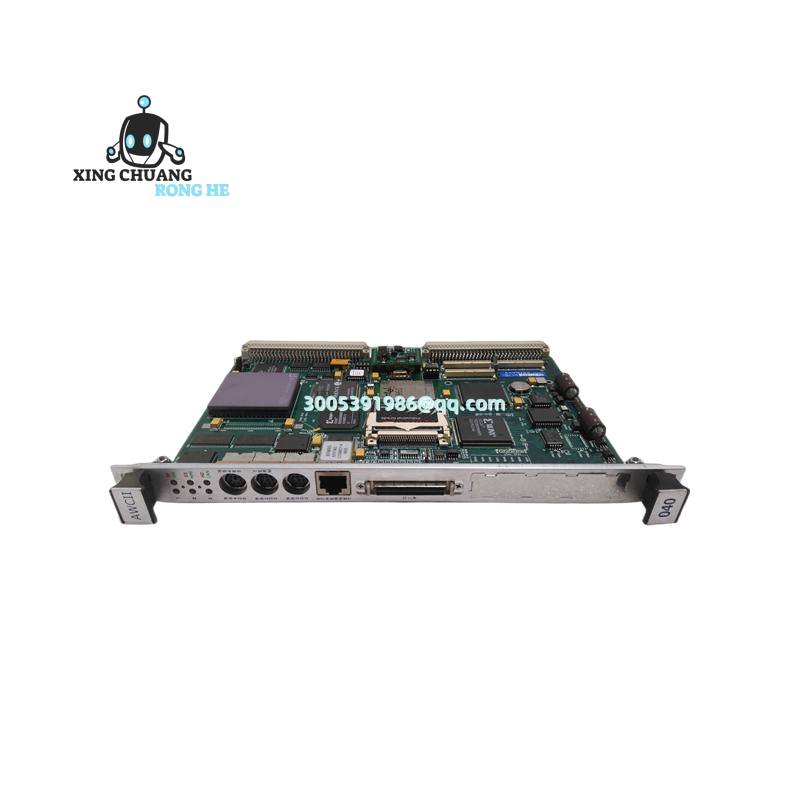
ADEPT AWCII 10350-00104 Motion Interface Module: The Robot Arm’s Nervous System
This little workhorse connects motion controllers to robotic arms in factories—think automotive assembly lines or packaging systems where timing matters down to the millisecond. You’ll find it humming inside workcells handling everything from welding to delicate electronics placement. It’s not flashy, but when your robot needs to repeat the same motion 10,000 times without drifting? That’s where this module earns its keep.
| Product Type | Motion Interface Module |
| Model Number | 10350-00104 |
| Dimensions | 152 x 102 x 30 mm (W x H x D) |
| Weight | Approx. 280g |
| Operating Temp | -20°C to +70°C (survived -18°C in that Ohio warehouse last winter) |
| Interface | Dual-channel analog/digital I/O; handles 24V signals without breaking a sweat |
Where You’ll Actually Use This Thing
Saw one last month keeping a palletizing robot on track at a beverage plant—those cans move fast, and any timing hiccup means smashed glass everywhere. It’s the go-to for AWCII-based systems: automotive weld cells, CNC material handlers, even that tricky pharmaceutical vial-filling line where vibration from nearby machinery used to cause drift. We see these paired constantly with ADEPT’s 3200-series controllers, but they’ll talk to older 2600 models too if you’ve got legacy gear hanging on. Honestly, if it’s ADEPT-branded and moves metal, this module’s probably involved.
Why It Doesn’t Fail When You Need It Most
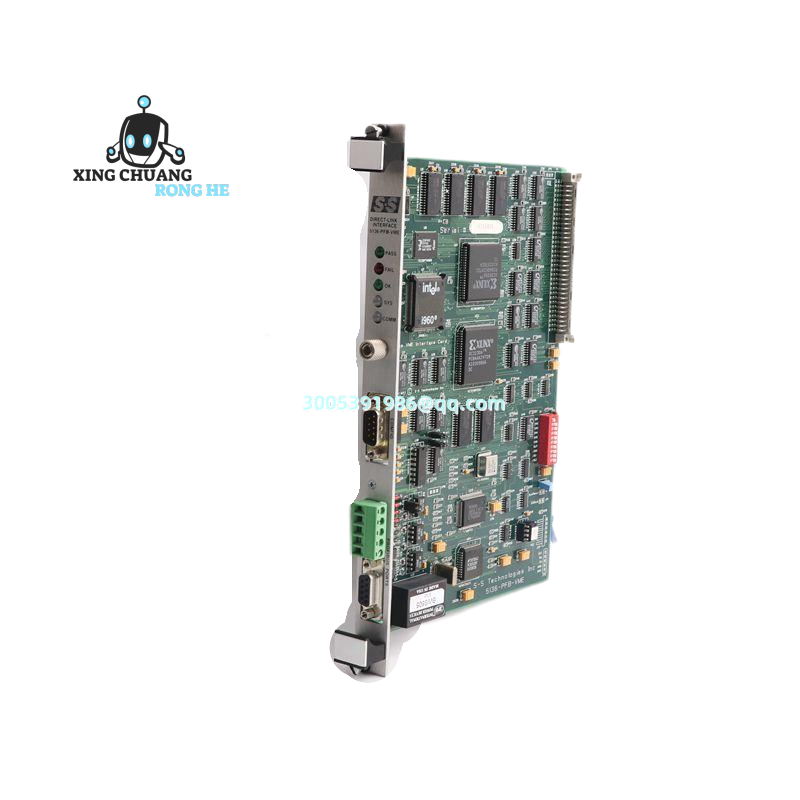
The analog inputs? Shielded like crazy—watched a tech test one in a foundry with arc welders blasting nearby, and the signal stayed clean. No magic here, just solid grounding and that metal housing soaking up EMI. Personally, I found the screw-terminal connections hold up way better than spring-clamp types when vibrations kick in (learned that the hard way during a press line retrofit). It’s not redundant—you’d need dual modules for that—but the error-checking on data packets means if a signal glitches, it tells the controller exactly where instead of just freezing. Oh, and that temp range? Not theoretical. One ran for six months next to a die-casting machine hitting 65°C ambient before maintenance finally swapped it out. Bottom line: it’s the module you forget about until you realize it’s been working flawlessly for years.
There are no reviews yet.