

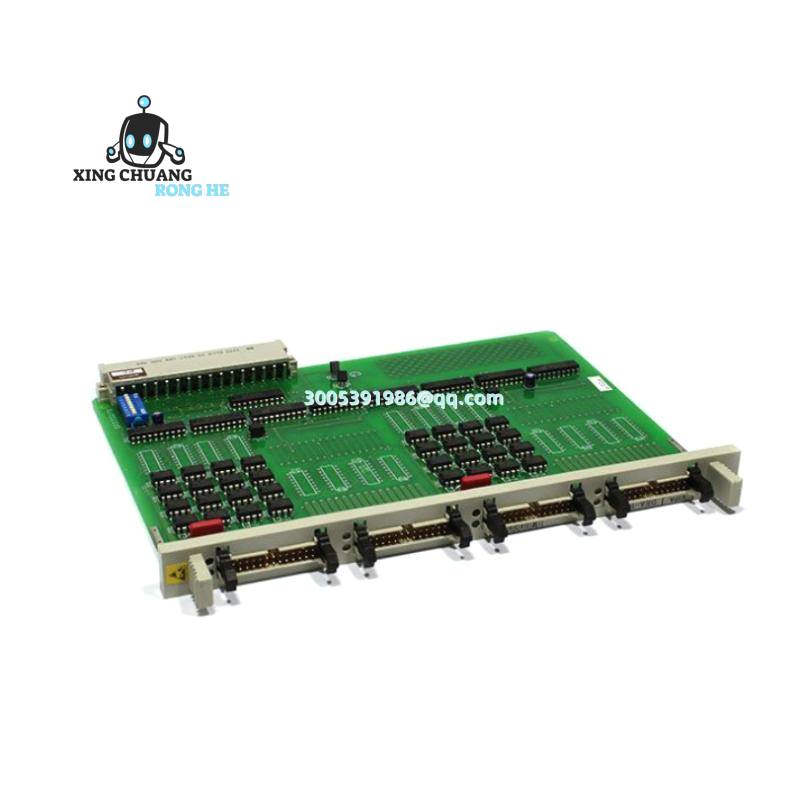
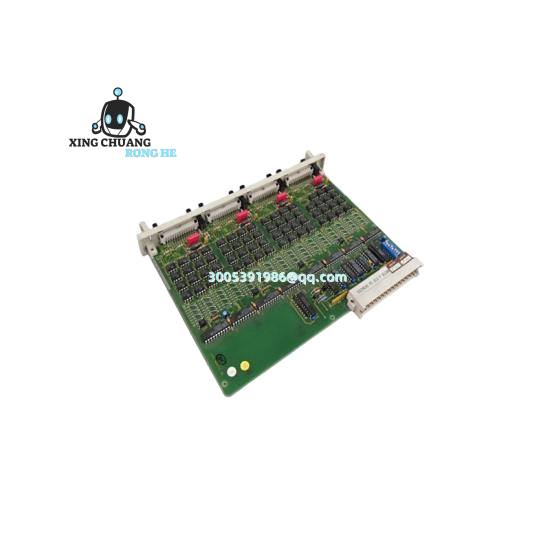
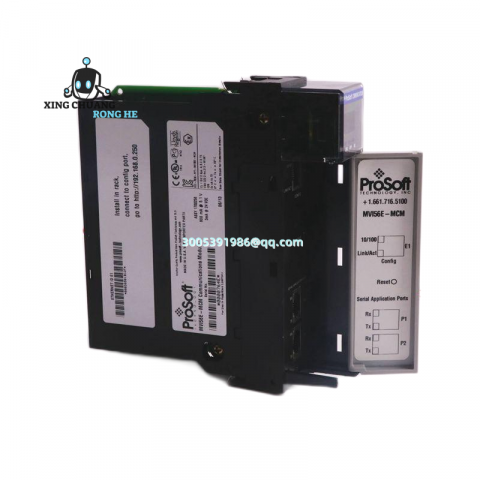
Allen Bradley 74102-462-53 ControlLogix I/O Module: Reliable Digital Control for Demanding Environments
Rockwell’s 74102-462-53 module handles those gritty factory floor tasks where inputs and outputs need to just work—no fuss, no failures. You’ll find this thing buried in packaging lines keeping servo drives synced, or in chemical plants where it’s switching valves despite constant vibration and nasty electrical noise. One maintenance guy at a Midwest bottling plant told me it outlasted three cheaper alternatives during their humidity crisis last summer.
| Brand | Rockwell Automation (Allen Bradley) |
| Catalog Number | 74102-462-53 (replaces older 0165-058-51-R designations) |
| I/O Configuration | 16 sinking digital inputs / 16 sourcing digital outputs |
| Voltage Range | 10-30 VDC (withstands 35V transients) |
| Operating Temp | -25°C to +60°C (extended temp models available) |
| Weight & Dimensions | 385g / 130mm x 75mm x 80mm (standard ControlLogix form factor) |
| Certifications | UL 61010-1, CE, ATEX Zone 2 (for hazardous areas) |
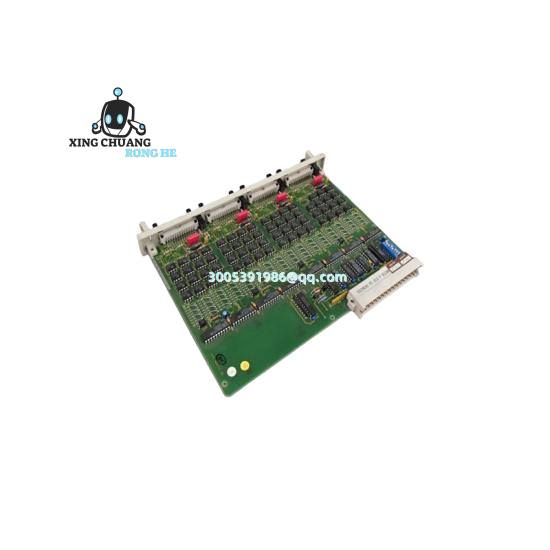
We see this module everywhere from automotive stamping presses (where it handles safety interlocks) to wastewater treatment plants managing pump cycles. It plays nice with ControlLogix 5580 controllers obviously, but also integrates smoothly with CompactLogix 5380 systems through the backplane. If you’re running older 1756-IB16D modules that keep failing near welders, this is the direct upgrade path—same footprint, better noise immunity. For redundancy setups, pair it with 1756-EN2T modules; we’ve got dozens running in dual-architecture systems for pharmaceutical clean rooms where downtime costs $20k per minute.
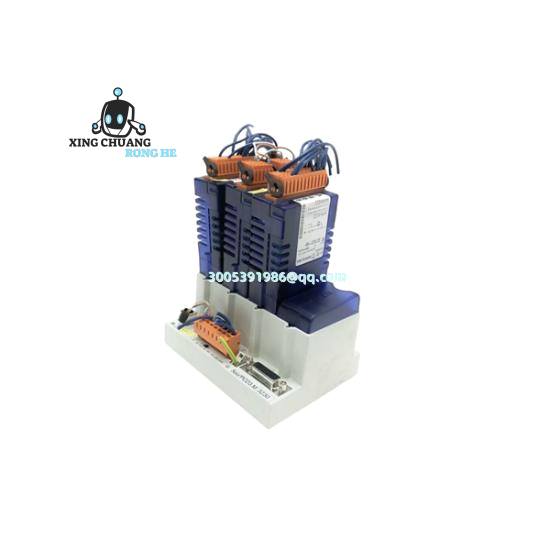
Honestly? What makes this thing stick around isn’t just the specs—it’s how it handles the real-world mess. Those optically isolated inputs shrug off 2kV surges that’d fry cheaper modules, and the terminal blocks won’t vibrate loose in high-shock environments (learned that the hard way after a client’s mine conveyor kept tripping). The dual Ethernet ports let you daisy-chain I/O without extra switches, saving panel space. Personally, I found the diagnostic LEDs way more useful than Rockwell’s docs suggest—they blink specific fault codes when inputs float, which saved me hours troubleshooting a faulty sensor last month. Compatibility-wise, it works with Studio 5000 v32+, and the firmware updates via the rack so you don’t need special tools. For critical processes, the hot-swap capability means replacing a failed module takes under 90 seconds without killing the whole line. Not bad for something that fits in your palm.
There are no reviews yet.