

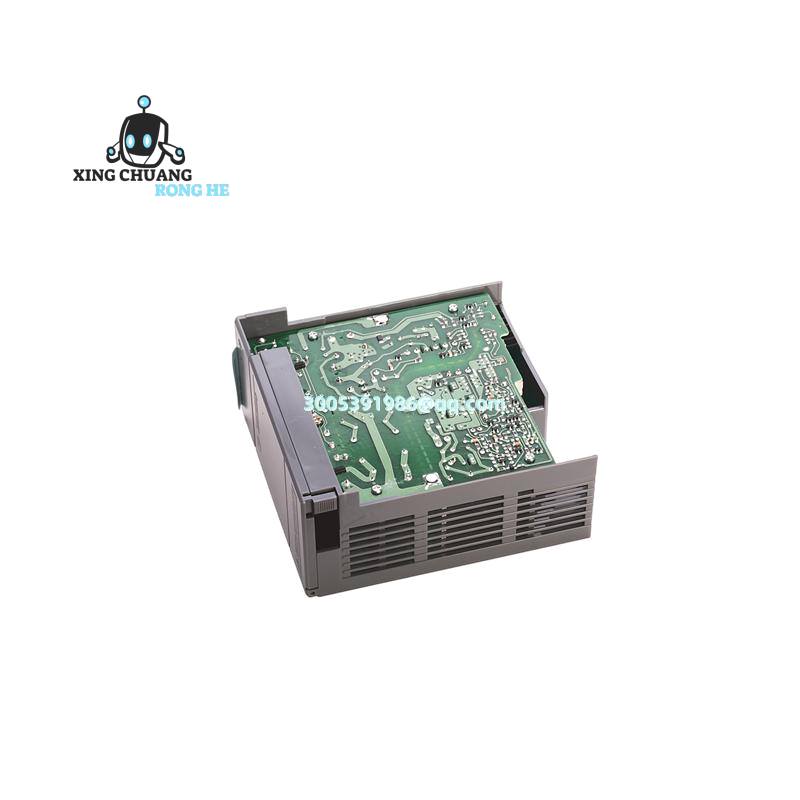
Allen Bradley 1746-P2 Power Supply: Your SLC 500 Workhorse
Keeps your SLC 500 system humming without breaking a sweat. We’ve seen these power supplies run for years in everything from Midwest bottling plants to Texas chemical facilities – honestly, they’re the unsung heroes that prevent those midnight emergency calls. Just feed it standard plant voltage and it’ll reliably power your controller, I/O, and a few extra modules without blinking.
| Brand | Allen Bradley (Rockwell Automation) |
| Product ID | 1746-P2 |
| Input Specs | 120-220V AC, 47-63Hz, 70W max draw |
| Output Specs | 24V DC @ 2.5A, 18-30V adjustable range |
| Physicals | 5.5″ H × 3.3″ W × 5.7″ D (140 × 84 × 145mm), 2.4 lbs (1.1kg) |
| Durability | -20°C to 60°C operating range, 5-year typical field lifespan |
Where You’ll Actually Use This Thing
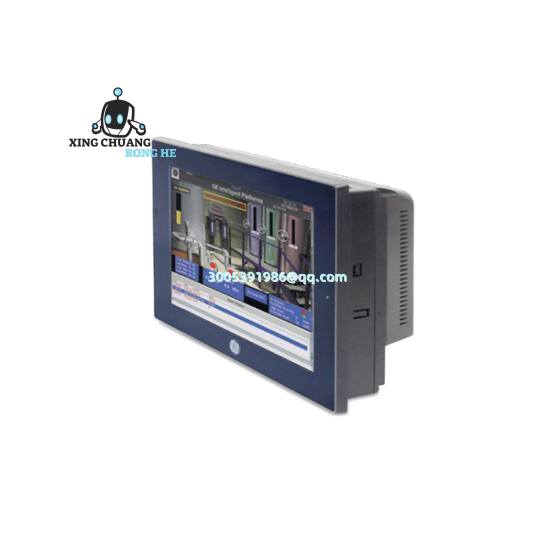
Factories running legacy SLC 5/03 or 5/04 systems still depend on these daily – think conveyor lines in packaging plants where a power hiccup means thousands in lost production. Last month a customer in Ohio replaced three failing third-party PSUs with genuine 1746-P2s on their palletizer; hasn’t had a brownout crash since. We handle all the common SLC 500 companions too: modules like 1746-IB16 (discrete input), 1746-OG16 (output), and those tricky 1746-N2 communication adapters that always seem to go bad after 15 years.

Why It Beats Cheap Knockoffs (From Real Field Experience)
That aluminum housing isn’t just for looks – it actually dissipates heat better than plastic clones, which explains why these survive near ovens or hydraulic stations. Personally I’ve seen counterfeit PSUs melt their terminal blocks after six months in dusty conditions, but the real 1746-P2? Handles voltage sags down to 85V without dropping the bus. It plays nice with redundant backplanes like the 1746-A7 and won’t freak out when you daisy-chain multiple I/O chassis. Oh, and the adjustable output? Set it to 26V for those older sensors that need that extra kick. Bottom line: when your plant runs 24/7, skipping the genuine part usually costs more in downtime than the $200 savings.
There are no reviews yet.