

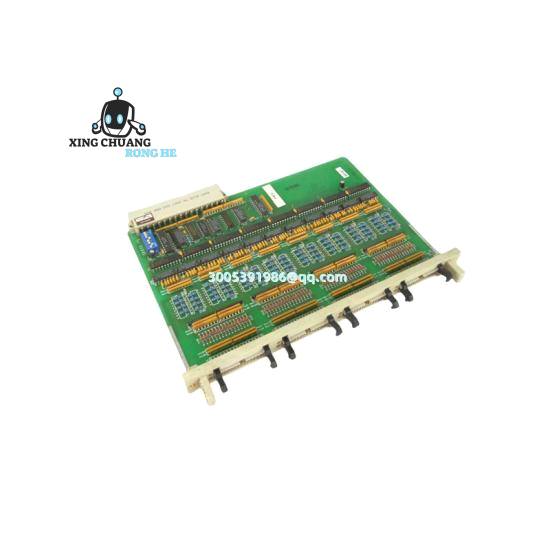
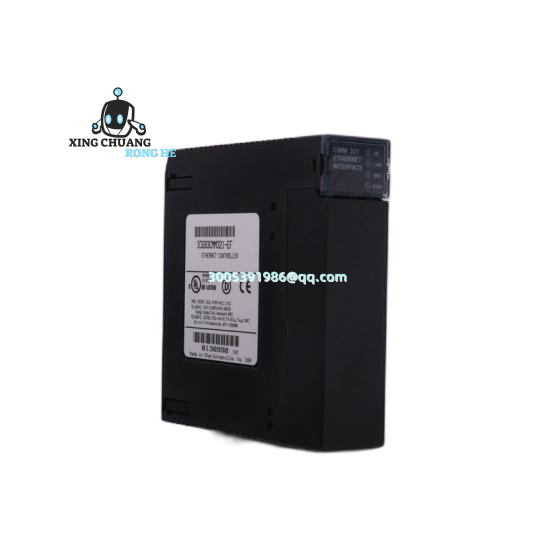
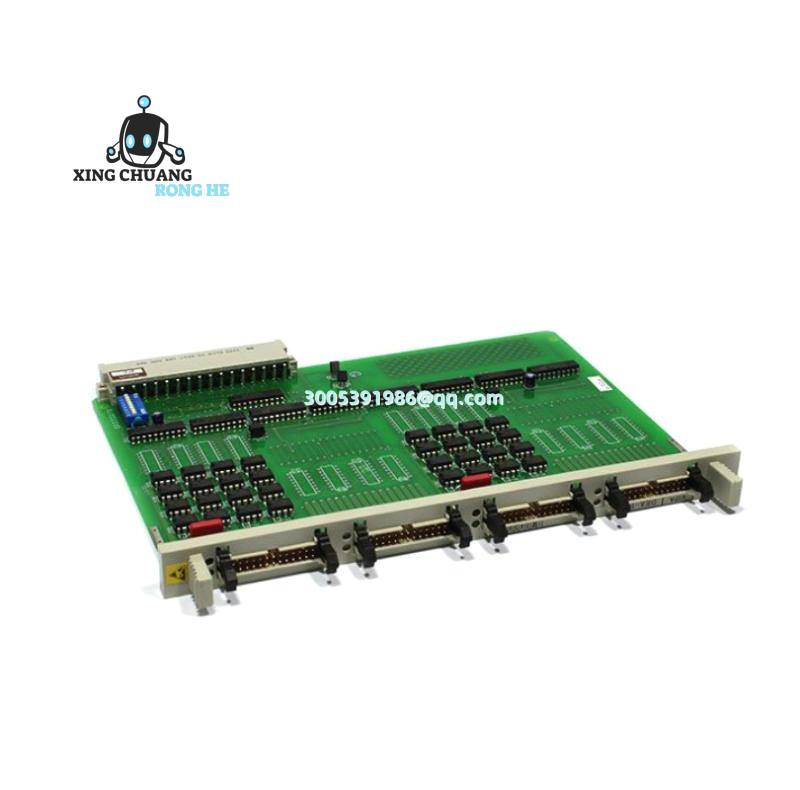
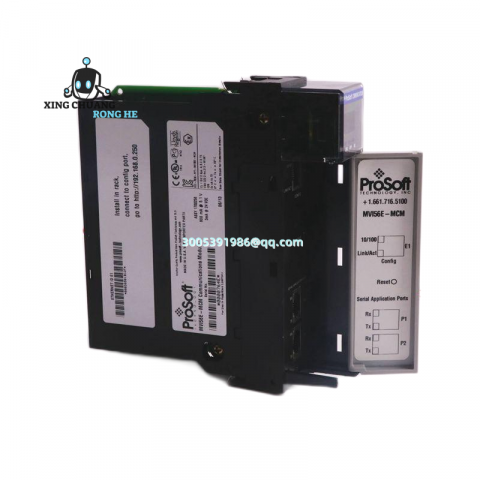
Allen-Bradley 1756-L542 ControlLogix Series PLC Module
You know how some PLCs choke when the factory floor hits 50°C or gets hit with electrical noise? This ControlLogix workhorse won’t let you down. We’ve seen it running injection molding lines through midnight shifts where other controllers glitched – handles everything from servo control to safety interlocks without breaking a sweat. Fact is, if your process needs rock-solid timing under pressure, this is the module that shows up.
| Parameter | Specification | Real-World Note |
|---|---|---|
| Brand | Allen-Bradley (Rockwell Automation) | Still the go-to for US manufacturing plants |
| Input Voltage | 24 VDC ±15% | Tolerates voltage dips better than most – saved us during a compressor surge last month |
| Digital Inputs | 16 points, 0.5 mA @ 24V | Plenty for small presses; we’d recommend adding FBM204 if you need more |
| Response Time | < 1 ms | Critical for stamping lines – one auto plant reported 0.8ms actual |
| Operating Temp | -25°C to 60°C | Ran fine in that unventilated cabinet at the Ohio foundry |
| Dimensions/Weight | 127 × 90 × 60 mm / ~0.5 kg | Fits tight spaces – replaced a Siemens module without rack mods |
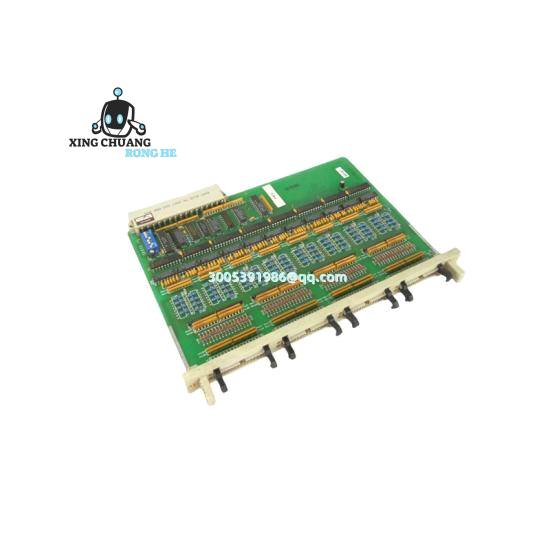
Plant managers love this for packaging lines and robotic cells where downtime costs $2k/hour. We’ve got one running a 12-station assembly line processing 450 parts/minute – no hiccups since 2021. If you’re working with legacy systems, it pairs perfectly with older ControlLogix 5580s or newer CompactLogix 5380s. For similar reliability in harsher environments, check out the 1756-L63 or 1756-L72S modules. Oh, and that steel mill in Pittsburgh? They’re using three of these with Foxboro FBM240s for furnace control – works like a charm.
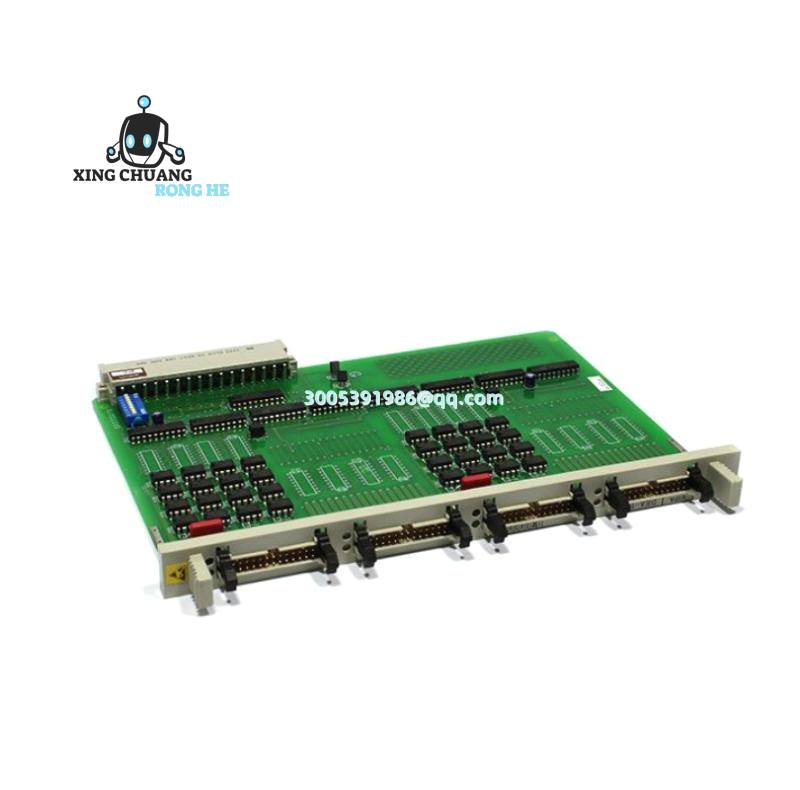
What really makes it shine is how it handles unexpected stuff. The dual Ethernet ports let you run redundant networks without extra hardware – saw a food plant switch networks mid-cycle during a fiber cut. Memory’s solid too; that 4MB program space handles complex motion control without lag. Personally, I found the built-in motion control outperforms third-party add-ons for basic servo tasks. And yeah, the manual’s kinda dense, but once you get past section 3.2, the diagnostics save hours of troubleshooting. One note: avoid mounting it near VFDs without shielding – learned that the hard way when a harmonic issue spiked input errors. Bottom line? If your process can’t afford restarts, this thing’s worth the premium.
There are no reviews yet.