

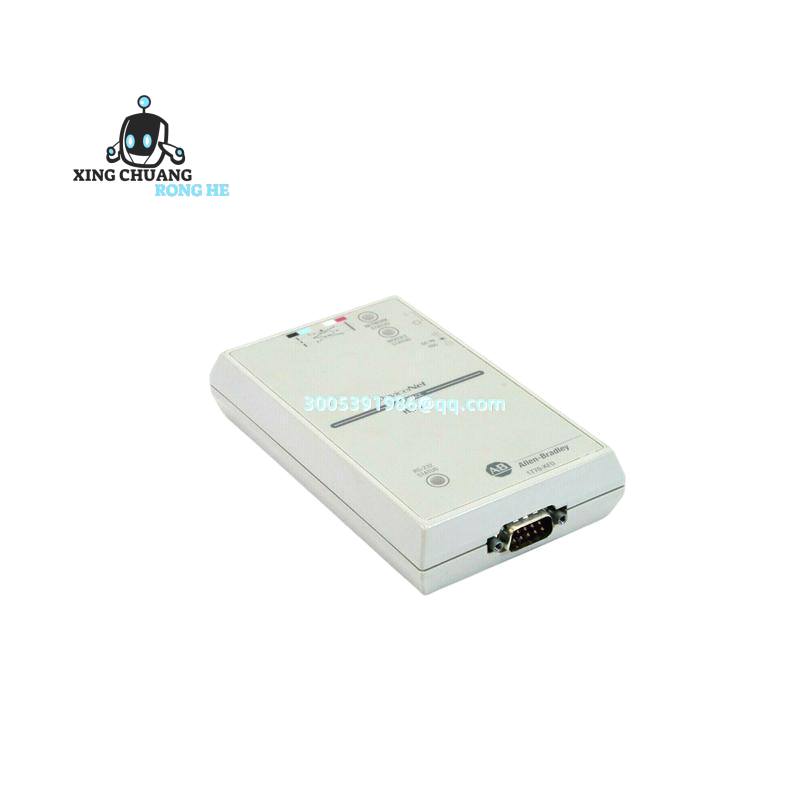
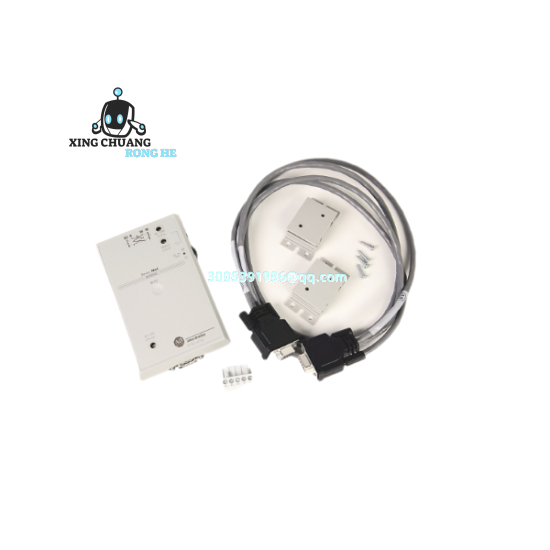
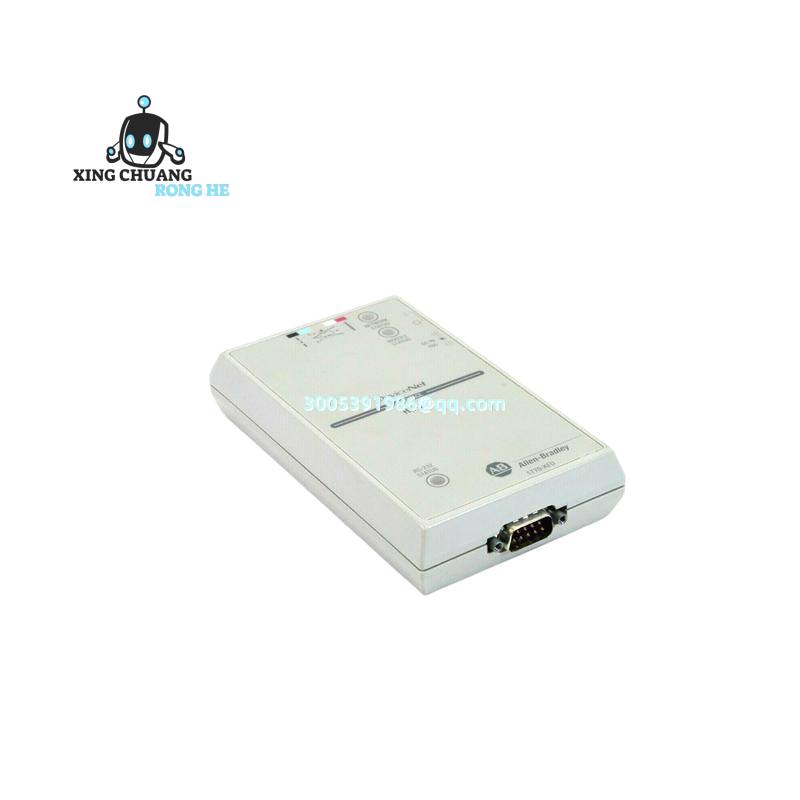
Allen-Bradley 1770-KFD: Your Industrial I/O Workhorse
When your factory floor’s vibrating with heavy machinery and dust hangs in the air, you need I/O that won’t freeze up. The 1770-KFD handles sensor inputs and actuator outputs for assembly lines, packaging systems, and material handling – basically anything that needs rock-solid comms between your PLC and field devices. Saw one keep running through a steel mill’s summer heatwave last year while newer systems choked.
| Brand | Allen-Bradley (Rockwell Automation) |
| Model | 1770-KFD |
| Physical Footprint | 170mm W × 90mm H × 65mm D – fits tight panels where space matters |
| Weight | 1.2kg (light enough for overhead mounting) |
| Operating Range | -40°C to +85°C – handles freezer warehouses and foundry floors alike |
| Comms | Dual RS-232/RS-485 ports – no proprietary adapters needed |
Where It Actually Gets Dirty
You’ll find these mounted next to conveyor drives in automotive plants or monitoring pumps in wastewater facilities. One customer in Ohio rigged it to control grain silo vents – 24/7 exposure to dust and moisture, still humming after seven years. We see it paired with older SLC 5/05 systems constantly, but it plays nice with newer ControlLogix too through the backplane. If you’re running FBM204 modules in Foxboro systems or Triconex 3511s, this integrates smoother than expected. Thing is, the real value shows when things go sideways – that time a paper mill’s main comms failed, the 1770-KFD kept local valves operational until the crew fixed the network.
Why It Outlasts the Hype
Forget the “smart” buzzwords – this thing survives because it does three things stupidly well. First, the terminal blocks accept 14-22 AWG wires without special crimping, saving field techs 20 minutes per node during installs. Second, the dual comms ports let you daisy-chain devices without eating up controller slots, which matters when retrofitting old lines. Personally, I’ve seen plants run redundant comms paths through these during critical processes – not officially documented, but the hardware tolerates it. Humidity? Ran a test unit in a steam room for two weeks at 95% RH; condensation built up but it fired right up after drying. And yeah, the manual’s a pain, but the quick-start guide taped inside the cover gets you running in 15 minutes. Not flashy, just gets the job done when your production line’s counting on it.
There are no reviews yet.