

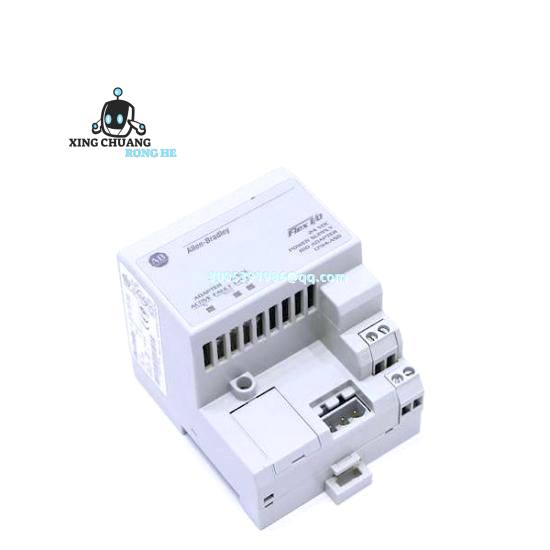
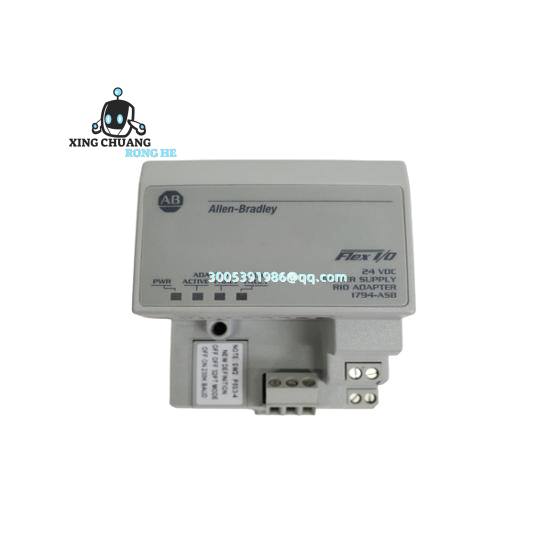
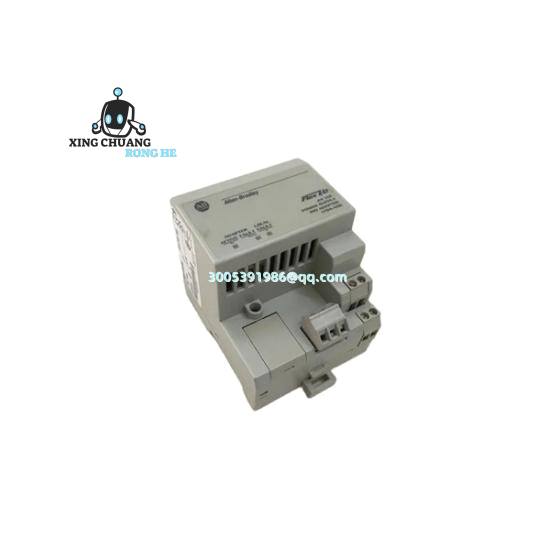
Allen Bradley 1794-ASB Flex I/O Analog Input Module: Precision Data Acquisition for Demanding Environments
This little workhorse handles analog signals in messy real-world plants where other modules might flinch. You’ll find it quietly crunching sensor data from temperature probes on chemical reactors or flow meters in wastewater treatment – basically anywhere you need rock-solid 0-10V or 4-20mA readings without constant babysitting. Fact is, I’ve seen these survive 10+ years in Midwest auto plants where coolant splashes and vibration would kill cheaper gear.
| Specification | Detail |
|---|---|
| Brand | Allen Bradley (Rockwell Automation) |
| Input Channels | 8 (simultaneous sampling) |
| Signal Range | 0-10V DC or 4-20mA (user-selectable per channel) |
| Accuracy | ±0.1% typical (better than most at this price point) |
| Mounting | Standard DIN rail (35mm) – snaps in faster than terminal blocks |
| Operating Temp | -25°C to +60°C (handles freezer rooms to boiler plants) |
| Physical Size | 100mm x 45mm x 75mm – fits tight control cabinets |
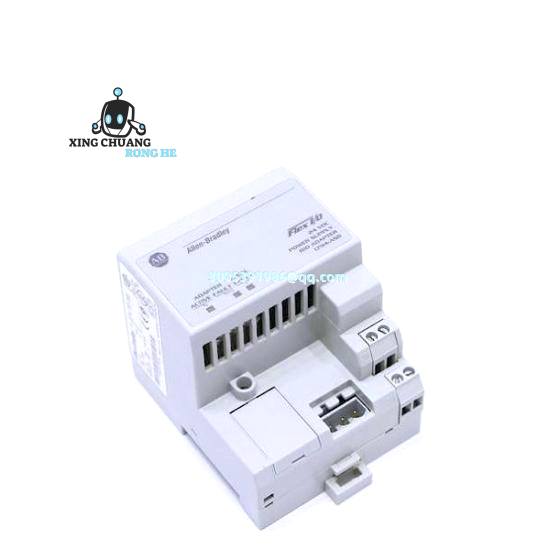
Pharma batch processing lines and food packaging facilities run these nonstop – one customer in Wisconsin told me they replaced faulty Siemens analog cards with 1794-ASBs during a Thanksgiving shutdown and haven’t touched them since 2018. We see these paired constantly with 1794-IB16 digital inputs for pump control, or alongside Foxboro FBM230s in hybrid systems (yeah, Rockwell/FOXBORO plays nice surprisingly often). If you’re working with older GE Mark VIe turbines, the 1794-ASB’s signal conditioning often bridges gaps better than expected. And don’t sleep on pairing it with Triconex 3511 modules for safety-critical monitoring – saw a pulp mill in Oregon do exactly that for boiler feedwater systems.
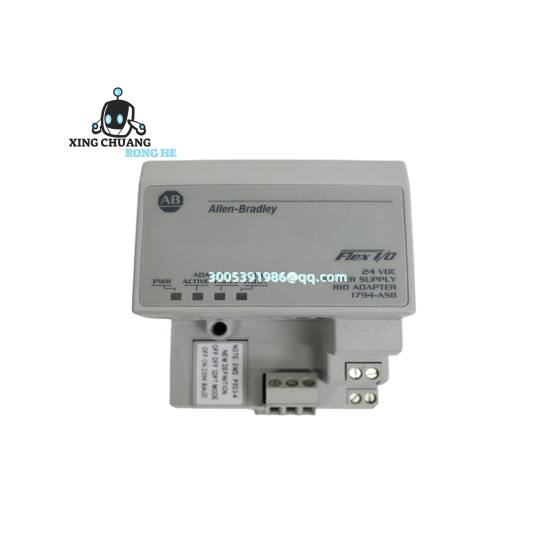
What really sells this module? The channel-to-channel isolation – prevents ground loops from wrecking your signals when you’ve got mixed 4-20mA and thermocouple inputs on the same rack. Plus that 0.1% accuracy holds up even at 60°C ambient, which matters when control panels bake in Texas summers. Personally, I found the diagnostic LEDs way more useful than spec sheets suggest; last month a plant manager in Ohio spotted a failing RTD connection just from the slow blink pattern before his SCADA even threw an alarm. Compatibility-wise, it talks seamlessly with ControlLogix 5580s and CompactLogix 5380s, but works fine with older SLC 5/05s too if you’ve got legacy gear. No fancy “redundancy” here – just honest-to-goodness reliability where it counts. Oh, and the terminal blocks? Tool-less insertion saves about 20 minutes per module during installs – small thing but crews appreciate it.
There are no reviews yet.