

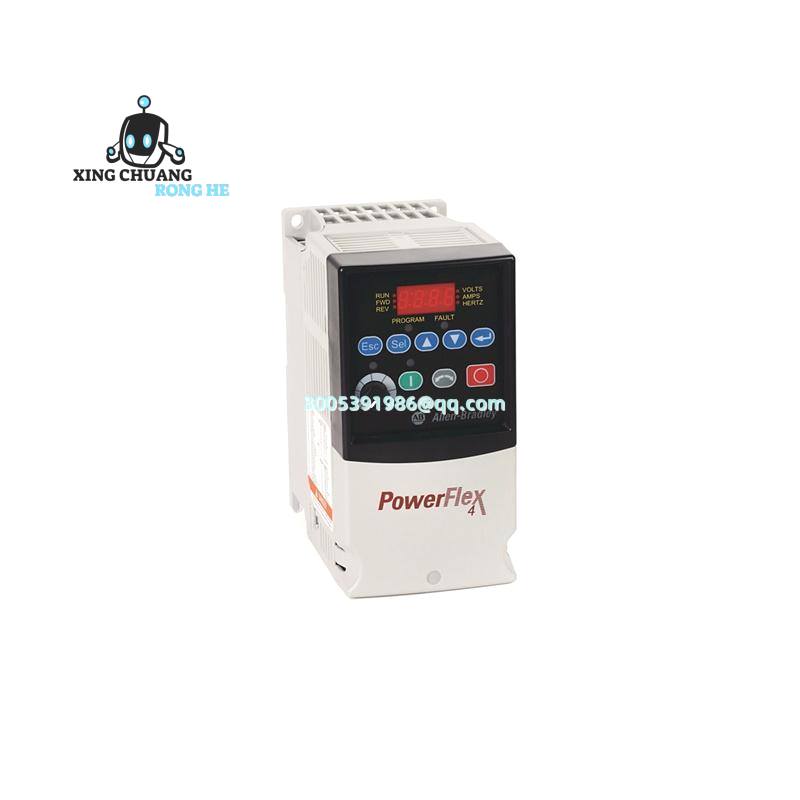
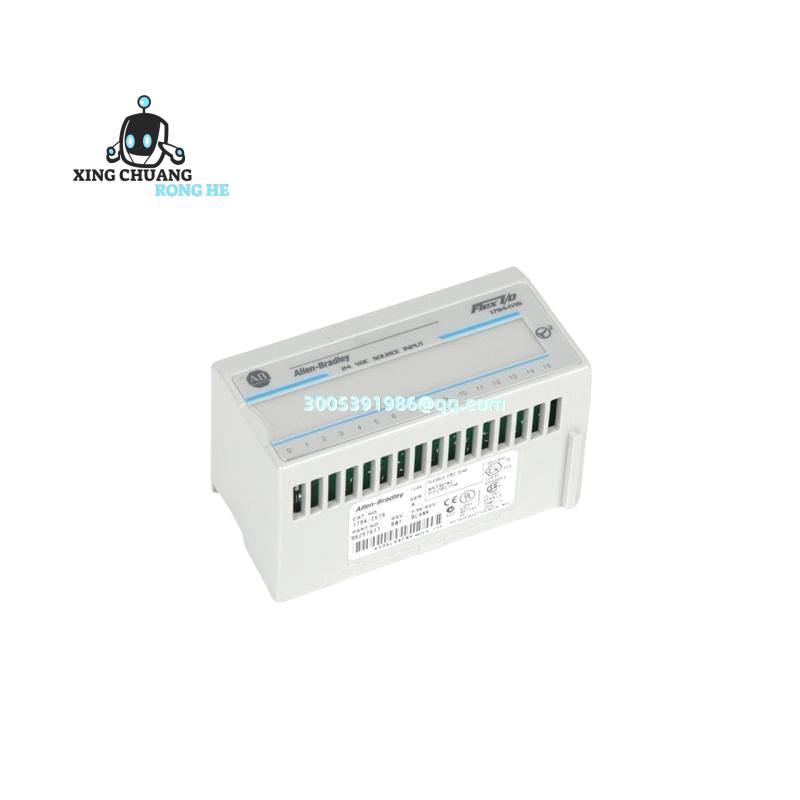
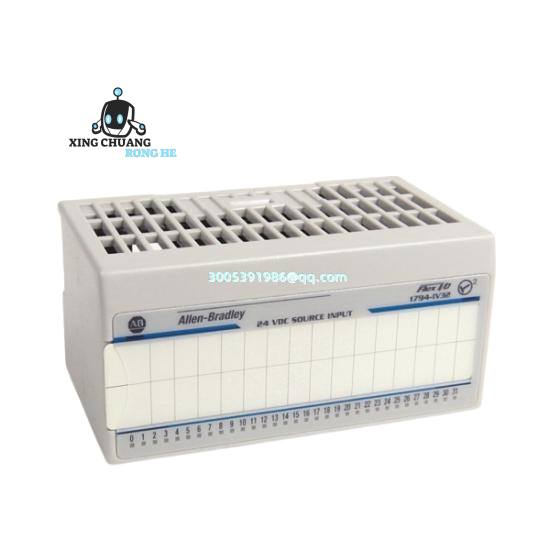
Allen-Bradley 1794-IV16: Precision Analog Input for Demanding Industrial Sites
Handles real-world analog signals from temperature probes and pressure sensors across factory floors where voltage spikes and temperature swings would choke lesser modules. You’ll find these tucked inside control cabinets on assembly lines, chemical processing units, and power plants – quietly converting messy field signals into clean data your PLC can actually use.
| Brand | Allen-Bradley (Rockwell Automation) |
| Model | 1794-IV16 |
| Channels | 16 isolated inputs |
| Input Range | ±10V DC or 0-21mA (configurable per channel) |
| Resolution/Accuracy | 16-bit / ±0.1% FS typical |
| Weight & Mounting | 0.23 kg / Standard DIN rail (EN 50022) |
| Operating Range | -20°C to 60°C ambient (full spec) |
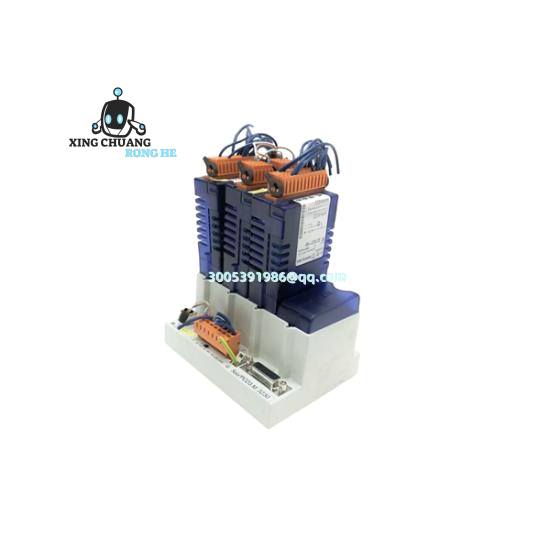
Got a Midwest auto plant using these for paint booth temperature monitoring? Or a wastewater facility tracking pH levels with 4-20mA probes? That’s where the IV16 shines – handling mixed signal types without breaking a sweat. We’ve seen them paired with ControlLogix 5580s in bottling lines where vibration kills cheaper modules, or tucked beside FLEX 5000 racks in offshore platforms. Common companions include the 1794-IE8 analog output module and 1794-OB16 digital outputs. Honestly, last month a plant manager in Ohio told us how these replaced failing third-party clones that couldn’t handle ground loops from nearby welders.
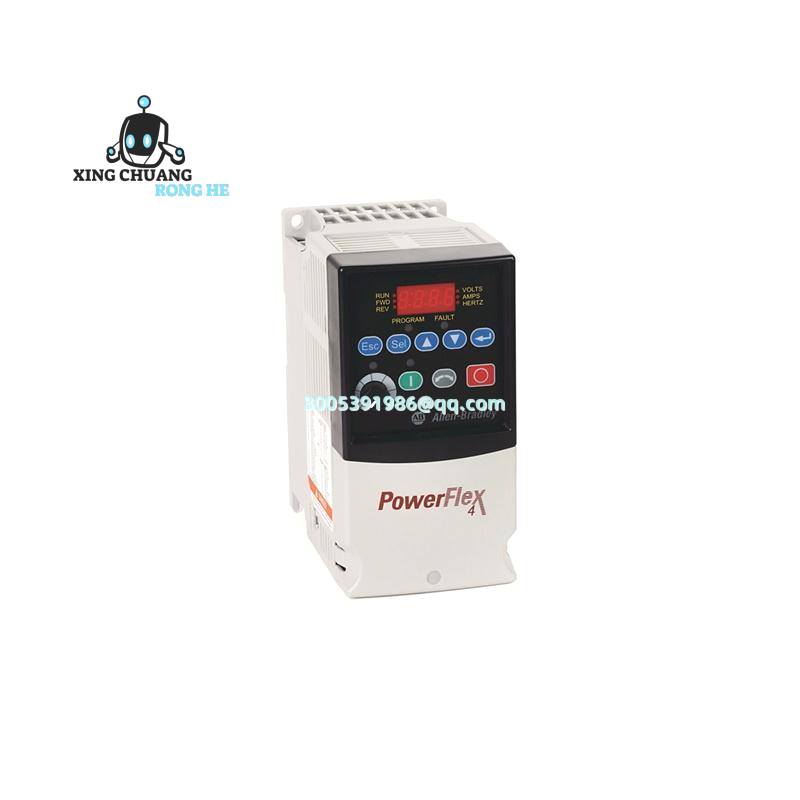
What really sets it apart isn’t just the specs sheet – it’s how Rockwell baked in real-world tolerance. The channel-to-channel isolation prevents ground noise from tank level sensors messing up your reactor temperature readings. You’ll notice the 2ms update time per channel matters when catching fast pressure drops in hydraulic systems. Personally, I found the built-in diagnostics save hours during troubleshooting; that status LED flashing red for “overrange” beats guessing why your PID loop went haywire. Works seamlessly with Studio 5000 without special drivers, and the compact size means you can daisy-chain multiple bases without eating up cabinet space. Sure, it won’t win beauty contests, but when your midnight shift relies on accurate flow meter readings? That’s when you appreciate not having to recalibrate every six months.
There are no reviews yet.