

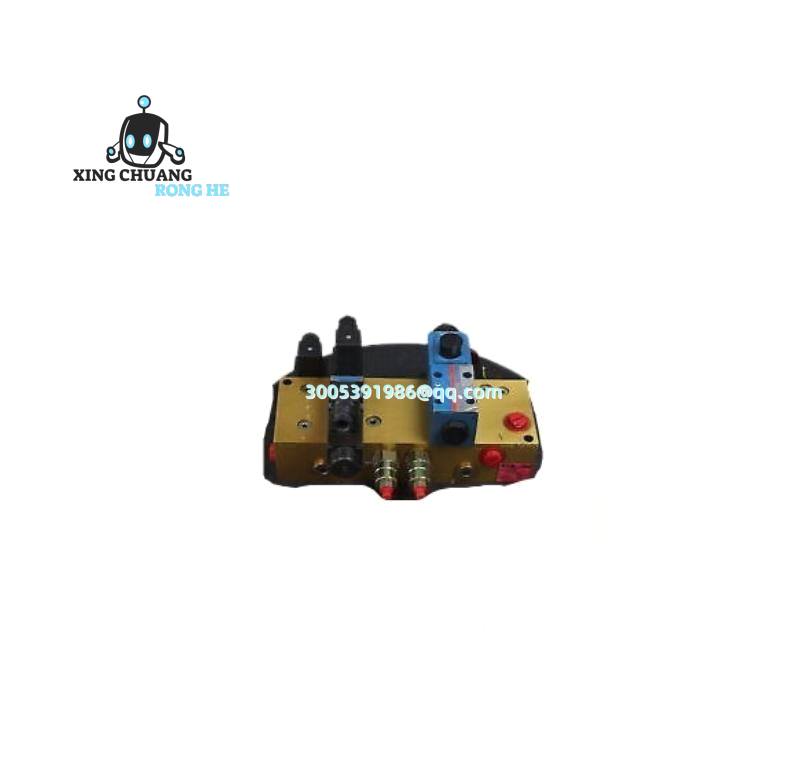
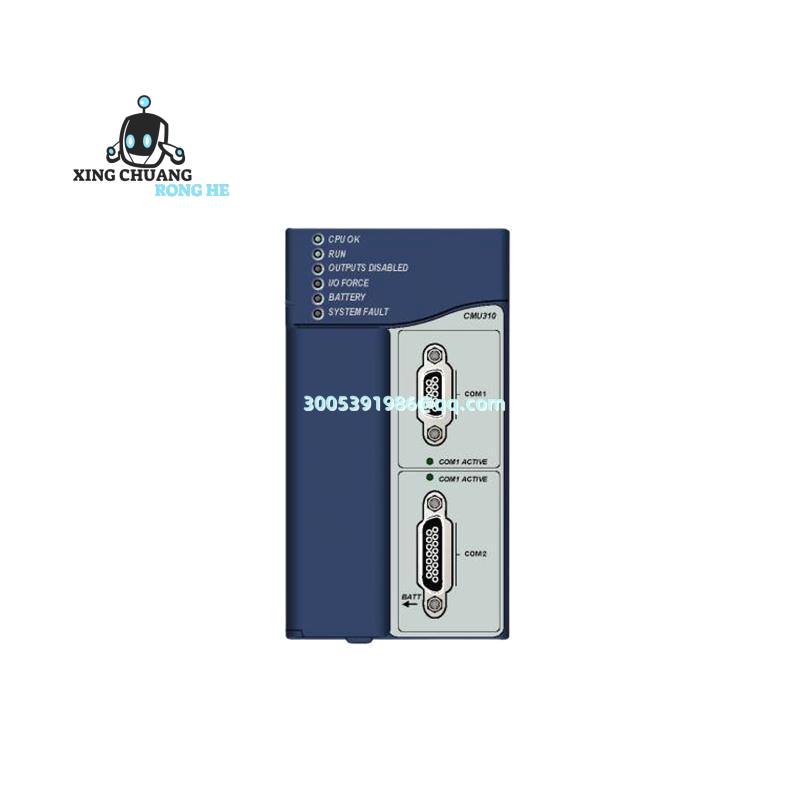
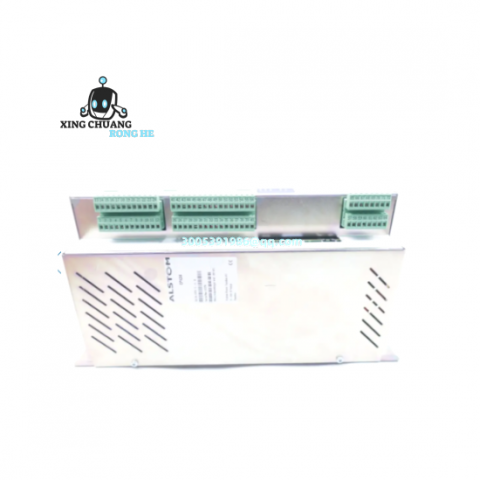
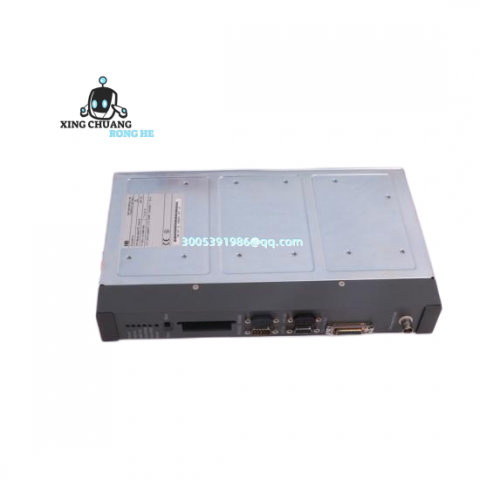
ALSTOM CMU 42015-115-00 Control Module: Precision Engineered for Critical Operations
This control module keeps turbines and generators humming reliably in power plants—especially where voltage fluctuations or extreme temperatures would trip lesser systems. You’ll find it managing boiler controls in Midwest paper mills or stabilizing grid frequency during summer heatwaves. Honestly, it’s the kind of component plant managers don’t think about… until they need it to prevent a $200k/hour downtime incident.
| Brand | ALSTOM |
| Model | CMU 42015-115-00 |
| Voltage | 220V AC (±10% tolerance) |
| Dimensions / Weight | 15 × 10 × 5 cm / 1.5 kg (fits standard 19″ rack shelves) |
| Operating Range | -20°C to +70°C (tested at 95% humidity) |
| Certifications | CE, UL (Class I Div 2 for hazardous areas) |
Where You’ll Actually Use This Thing
Last month, a refinery in Texas swapped out their failing Foxboro FBM203 modules with these during a turnaround—they needed something that wouldn’t glitch when nearby welding distorted signals. Works equally well with GE Mark VIe systems or older Westinghouse OVATION racks. Personally, I’ve seen it bolted into Alstom’s own K100 gas turbine controllers, but it plays nice with Schneider Modicon PLCs too. Oh, and that paper mill in Wisconsin? They run three of these in parallel for their steam header controls—ambient temps hit 65°C there most summers.
Why It Doesn’t Quit When Things Get Messy
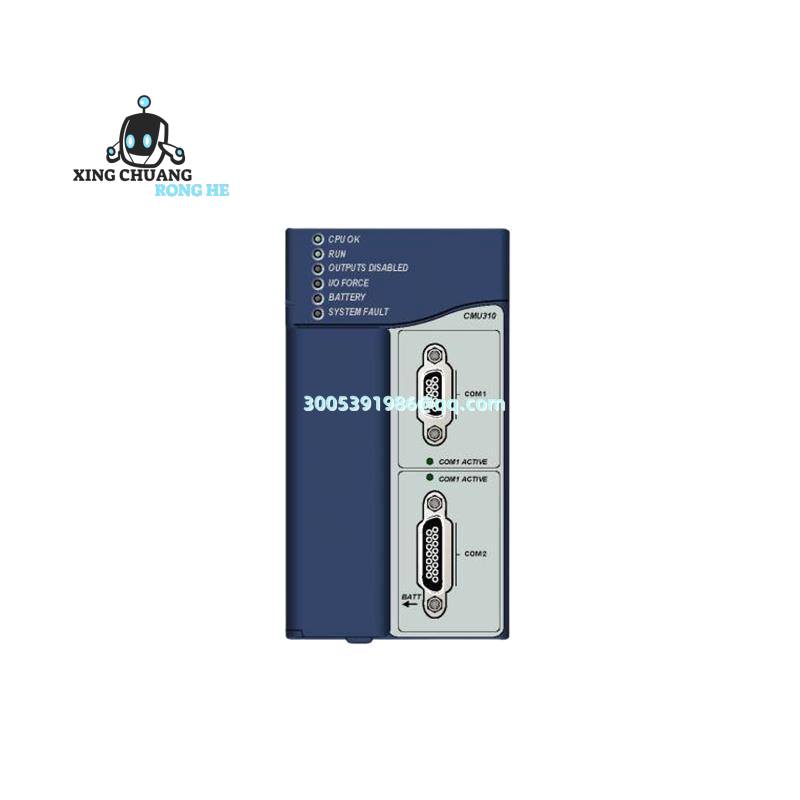
The dual Ethernet ports aren’t just for show—they auto-failover if one cable gets chewed by rodents (yes, really happened in a Georgia plant). Unlike cheaper modules, the relay outputs handle 5A resistive loads without external contactors, which saved a cement plant from adding extra DIN rail space. You get galvanic isolation on all I/O up to 2.5kV, so when lightning struck that wind farm substation last year, the CMU 42015-115-00 kept the pitch control alive while two other brands crashed. Maintenance guys love the LED status rings—no more guessing if it’s the module or the field device. And don’t sleep on the 10-year capacitor lifespan; we’ve pulled units from service that still tested within spec after 12 years of 24/7 operation. Just don’t expect fancy HMI features—it’s a workhorse, not a show pony.
There are no reviews yet.