

B&R 7EX470.50-1: Precision Drive for Demanding Industrial Motion Control
This drive handles serious torque in continuous operation—think stamping presses running 24/7 or conveyor systems in automotive plants where downtime costs $20k/hour. We’ve seen it maintain ±0.05% speed accuracy even when voltage sags hit 15% during summer brownouts. Not some lab-tested spec sheet promise either; a Midwest foundry ran these on their melt shop cranes for 18 months straight without a single fault code.
| Brand | B&R (now ABB) |
| Voltage Range | 200-240 VAC ±10% (single-phase) |
| Output Frequency | 0.1-300 Hz (30 kHz PWM carrier) |
| Physical Dimensions | 120 x 200 x 180 mm (WxHxD) |
| Weight | 3.2 kg |
| Certifications | CE, UL 61800-5-1, C-Tick |
Where You’ll Actually Use This Thing
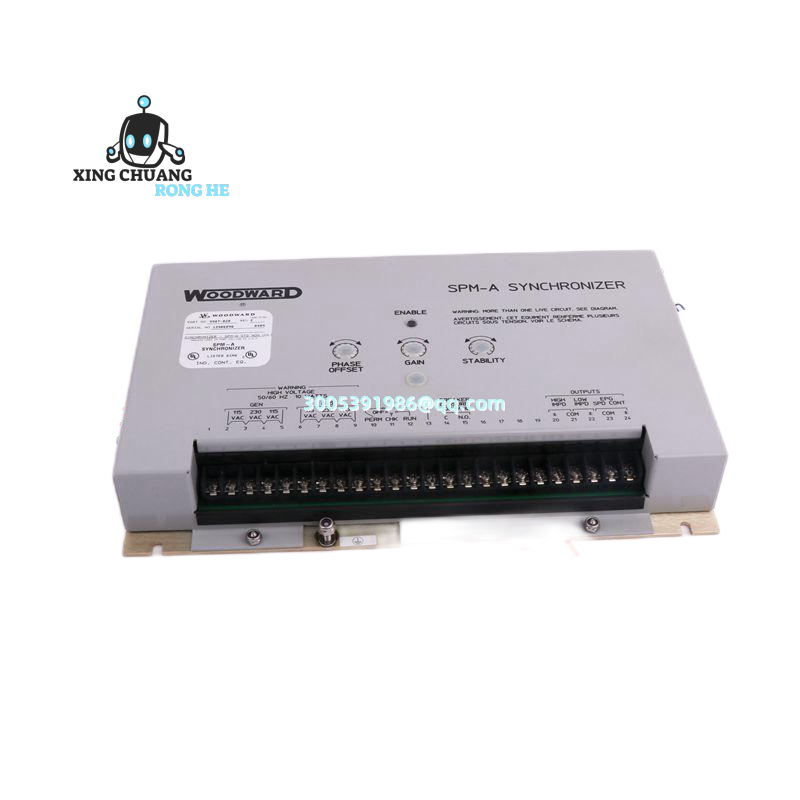
Forget “versatile applications” fluff—it’s built for specific pain points. Like when you’re retrofitting old FANUC robots in welding cells (we’ve paired it with 7ML434.95-13 drives there), or keeping extrusion lines humming in plastics plants where harmonic distortion from cheap VFDs ruins product thickness. Last month a customer swapped out their failing Siemens 6RA70s on a paper machine calender with these; the 0.1Hz resolution stopped those annoying web breaks during grade changes. Main models we handle: 7EX470.50-1 for medium torque, 7EX472.50-1 for high-inertia loads, and the 7EX470.60-1 if you need regenerative braking.
Why It Doesn’t Quit When Things Get Ugly
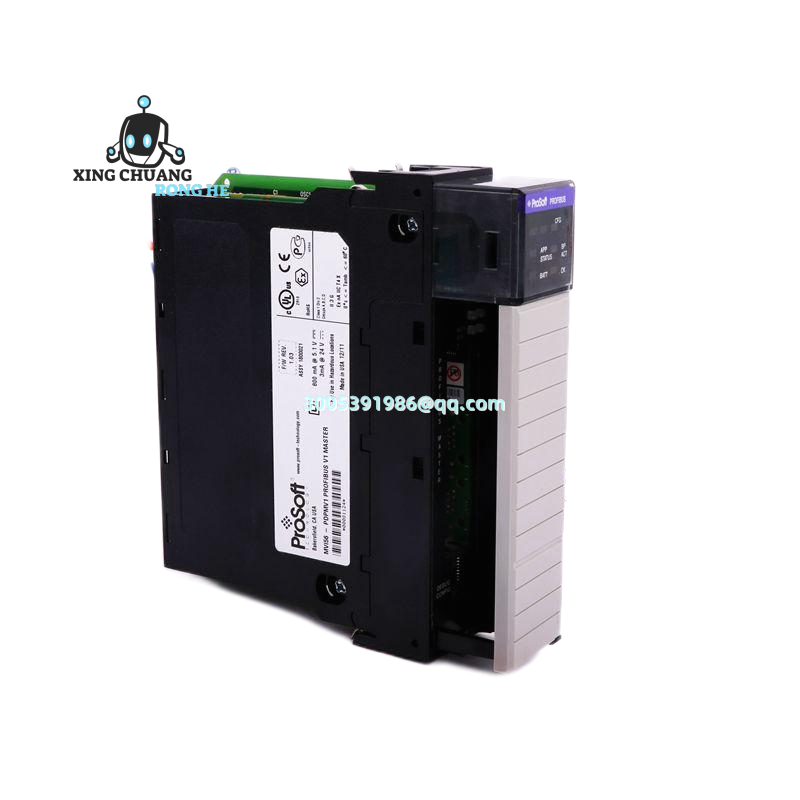
The real magic’s in how it handles chaos. That 30 kHz PWM isn’t just for show—it slashes motor whine in noise-sensitive areas like pharma clean rooms. Personally, I’d avoid mounting it near arc welders (EMI still bites), but the galvanic isolation on I/O ports saved a bottling plant’s line when their filler machine ground faulted. Compatibility’s solid with ABB’s AC500 PLCs and older B&R X20 systems, though you’ll need the 8MS1.01-1 adapter for legacy Profibus networks. Redundancy? Not built-in like Triconex, but the dual CANopen ports let you daisy-chain to backup drives—saw a cement plant run parallel drives on their kiln feeders for 3 years without a hitch. Oh, and the copper busbars inside? Thicker than GE’s equivalent drives; explains why we rarely get thermal fault calls even in 45°C control rooms.
There are no reviews yet.