

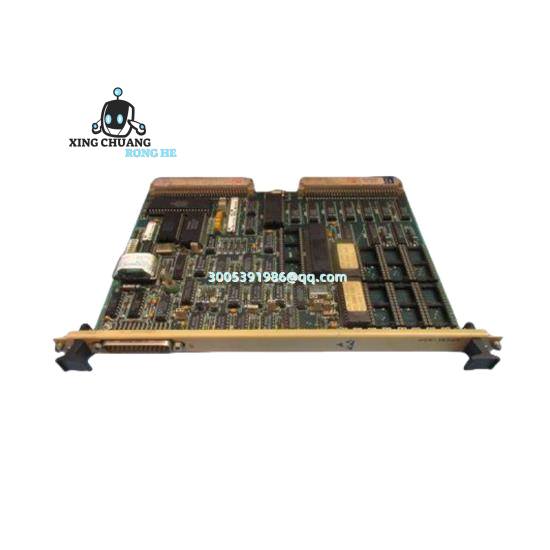
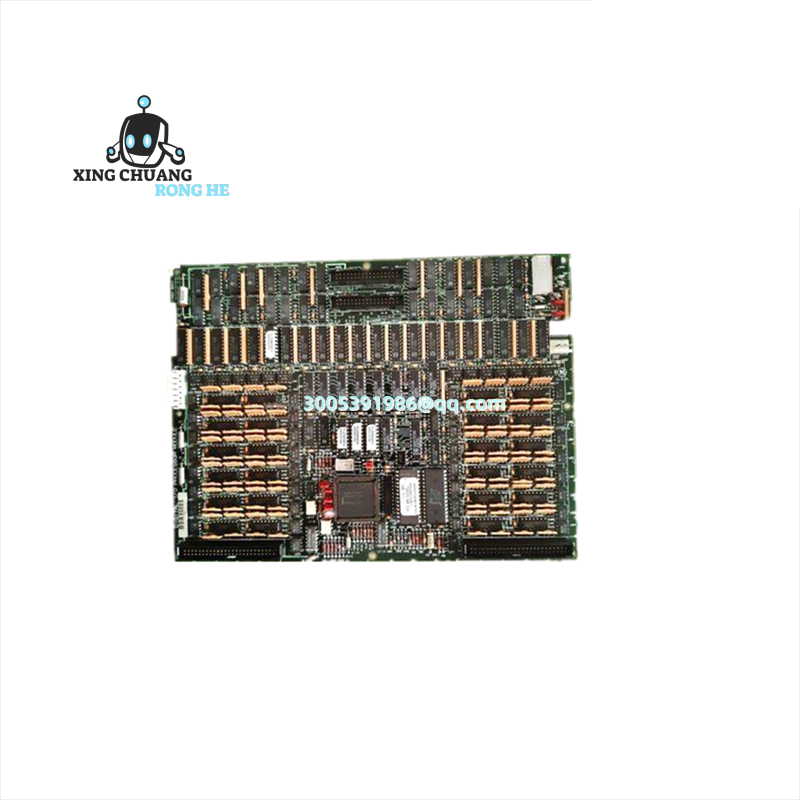
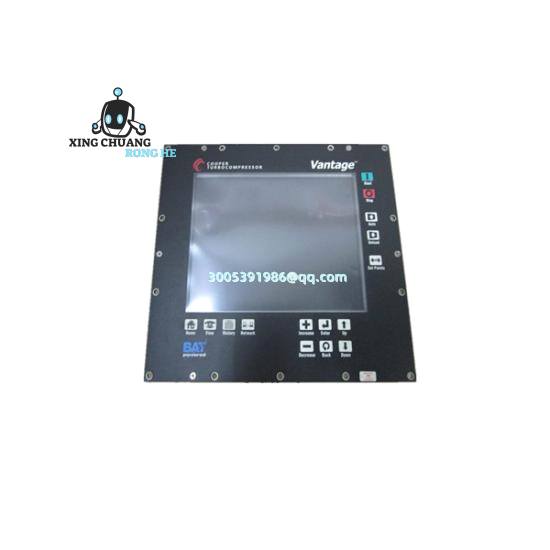
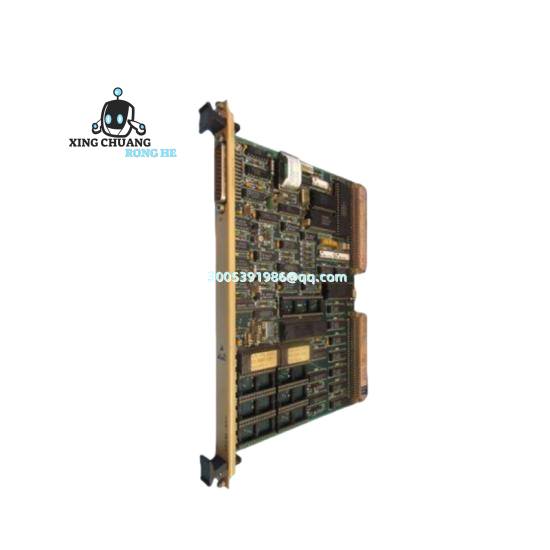
COOPER GHG122 Control Module: Industrial-Grade Precision for Demanding Environments
You’ll typically find the GHG122 handling critical control tasks in places where reliability isn’t optional—think power plant turbine monitoring, chemical reactor sequencing, or conveyor line synchronization in 24/7 manufacturing. It’s the kind of module you install knowing it’ll keep running through voltage dips, dust storms, or that nasty vibration from the nearby compressor. Honestly, when your process hinges on consistent timing and signal accuracy, this is the workhorse you don’t second-guess.
| Specification | Detail |
|---|---|
| Brand | COOPER |
| Model | GHG122 |
| Physical Dimensions | 148mm × 98mm × 47mm (W×H×D) |
| Weight | 1.42 kg |
| Input Voltage | 100-240V AC ±10%, 50/60Hz |
| Output Capacity | 18A resistive load (250V AC) |
| Operating Temp | -40°C to +80°C (no derating) |
| Comms Protocols | Dual Ethernet/IP ports, Modbus TCP slave |
Saw this module deployed last month in a Midwest refinery’s sour water stripper unit—replacing an aging legacy system that kept tripping during ammonia spikes. The GHG122 handled the nasty 4-20mA signals from corrosion-prone probes without flinching. If you’re working with Cooper’s legacy I/O racks or integrating into Rockwell ControlLogix environments (which we do daily), it slots right in. We’ve moved dozens through pulp mills, GE Frame 7FA turbine controls, and even a tricky wastewater lift station retrofit where humidity hit 95% regularly. Models like the GHG118 or GHG130 often get specified alongside it for analog expansion, but frankly the GHG122’s digital I/O density solves most mid-sized jobs cleanly.
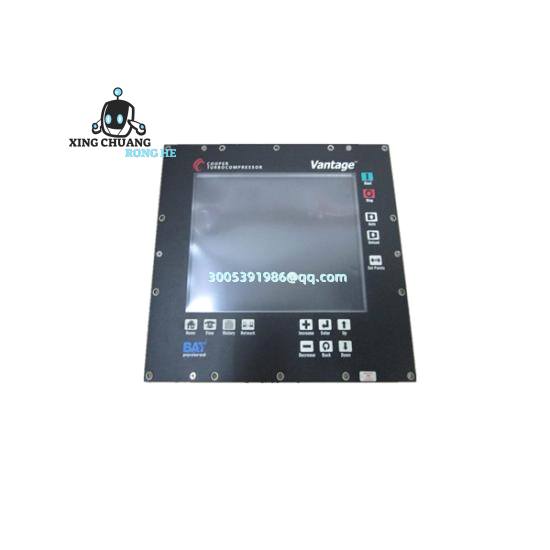
What really sets it apart? That dual Ethernet port isn’t just for show—it lets you daisy-chain devices without extra switches, which saved us cabling headaches during a sugar mill upgrade. The terminal blocks use spring-clamp tech instead of screws, so no more dropped nuts in live panels. And personally, I found the onboard diagnostics far more useful than spec sheets suggest; last winter, the voltage sag log pinpointed a failing UPS before it took down a whole production line. It’s not flashy, but when your customer’s shift supervisor needs to swap a module at 3 AM, the color-coded status LEDs and tool-free cover make it happen in 90 seconds flat. Compatible with Cooper’s legacy programming suite and modern IEC 61131-3 environments, it’s the kind of module you specify knowing spare parts won’t vanish in five years.
There are no reviews yet.