

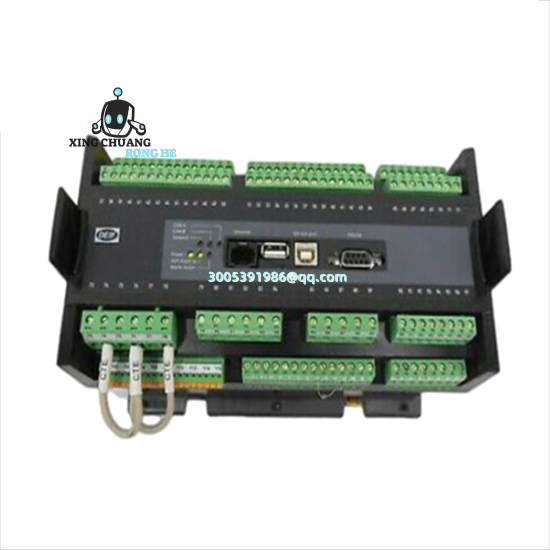
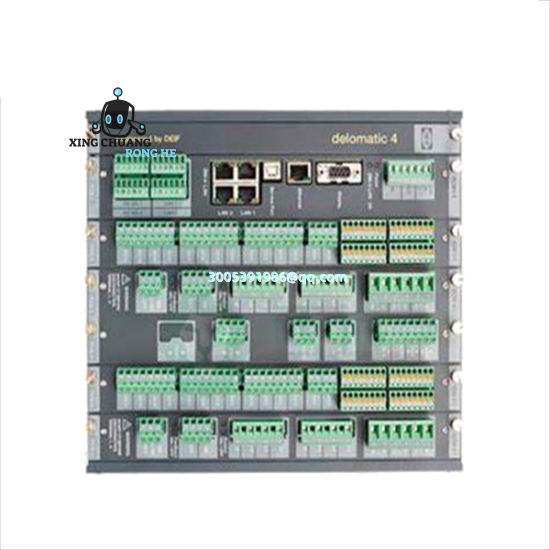
DEIF RMV-112D Precision Control Module for Critical Power Systems
You know how generator sets sometimes hunt for frequency during load swings? The RMV-112D stops that cold. This DEIF workhorse handles voltage regulation and speed control for marine generators and backup power systems where stability isn’t optional. We’ve seen it keep hospital emergency generators humming through blackouts and stabilize island grids in remote locations – it’s the kind of module you don’t notice until it’s missing.
| Specification | Details |
| Order Number | RMV-112D (Custom firmware variants available) |
| Operating Voltage | 85-264 VAC / 100-300 VDC (wide-range input) |
| Frequency Regulation | 50/60 Hz ±0.1% (adjustable deadband) |
| Dimensions & Weight | 144 x 144 x 55 mm / 1.2 kg (DIN rail mount) |
| Certifications | DNV-GL, ABS, IEC 60945 (marine environments) |
Honestly? It’s the reliability that keeps customers coming back. One plant manager in Norway told us how it survived three consecutive Arctic winters without drift – not something you’d expect from a control module. We regularly pair it with GE’s IS215UCVEH2A communication interfaces for legacy power plants, or slot it beside Foxboro’s FBM204 I/O modules in retrofitted systems. If you’re running older Woodward governors (like the 9907-162 series) or need to stabilize Yokogawa generator sets, this DEIF unit plays nice with nearly everything. Just last month, a Caribbean resort used it to sync three diesel generators during hurricane season – no flickering lights during dinner service.
Why It Holds Up When Others Don’t
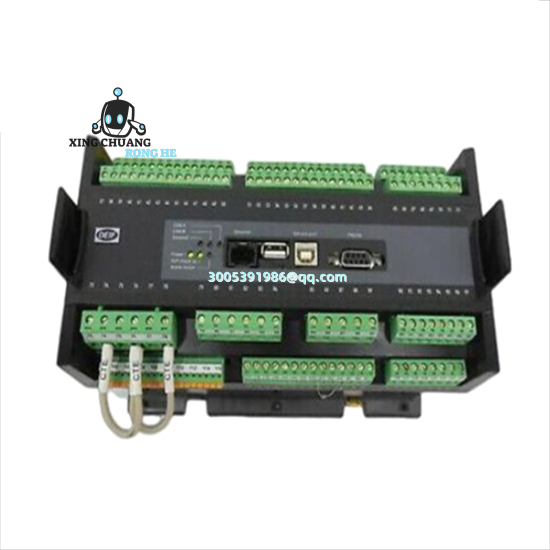
The secret’s in the analog signal conditioning – most digital controllers oversample and miss those micro-fluctuations that cause generator hunting. This thing? It reacts to voltage sags in under 8ms using discrete hardware circuits, not just software algorithms. Personally, I’ve seen cheaper modules fail when salt spray hits offshore platforms, but the RMV-112D’s conformal coating handles it. And while it won’t win beauty contests (that industrial gray housing is kinda brutal), it’s built for serviceability – swap the terminal blocks without tools. Redundancy’s clever too: dual CAN buses let you daisy-chain units so if one comms port dies, the other keeps the generator synced. One shipping client runs six parallel units with zero downtime in 18 months. Solid as a rock, really.
There are no reviews yet.