

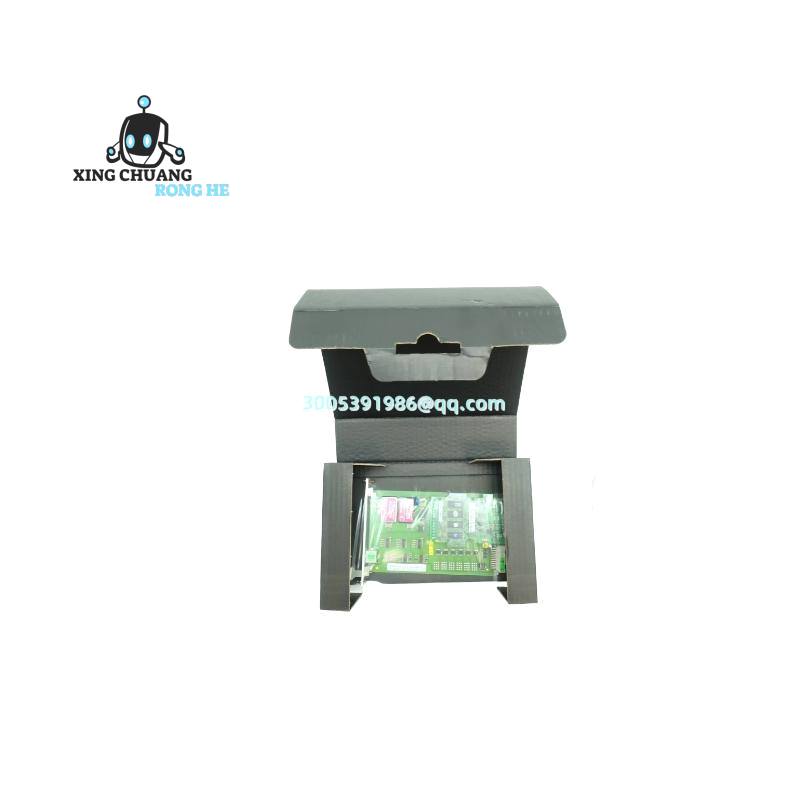
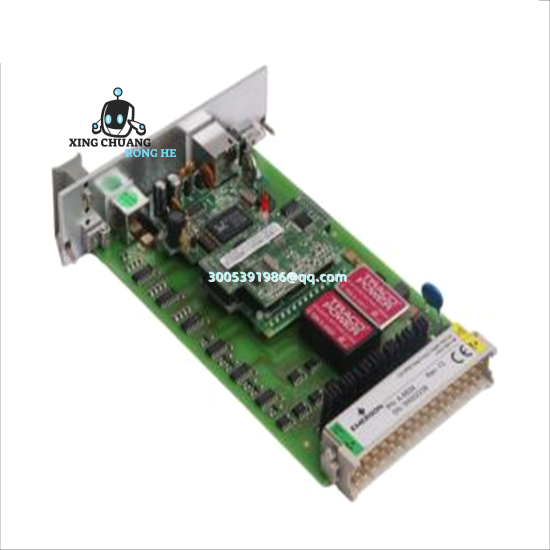
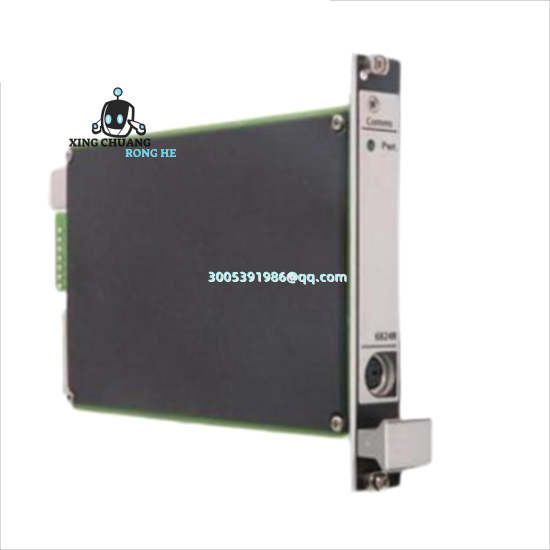
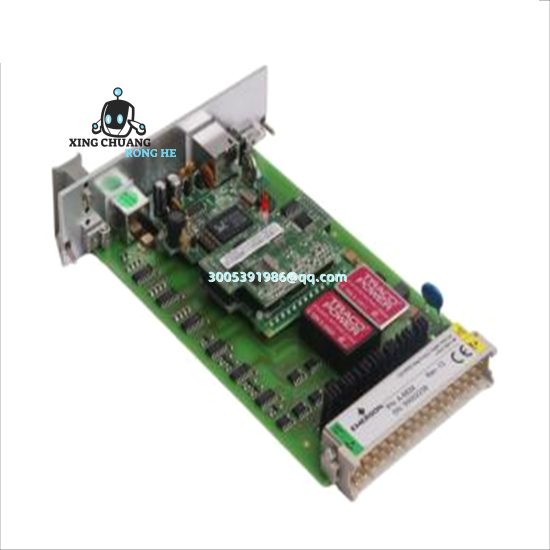
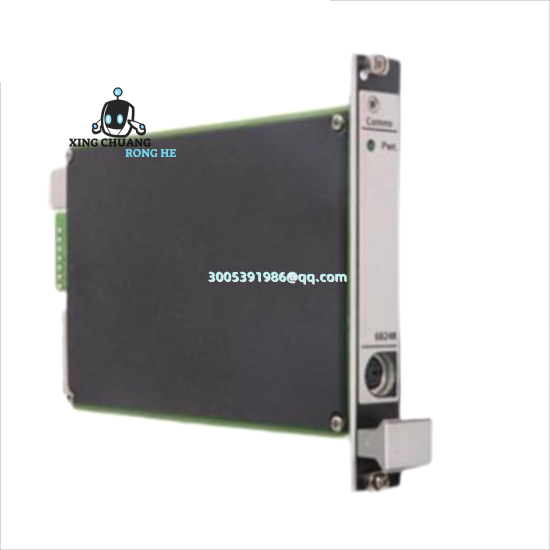
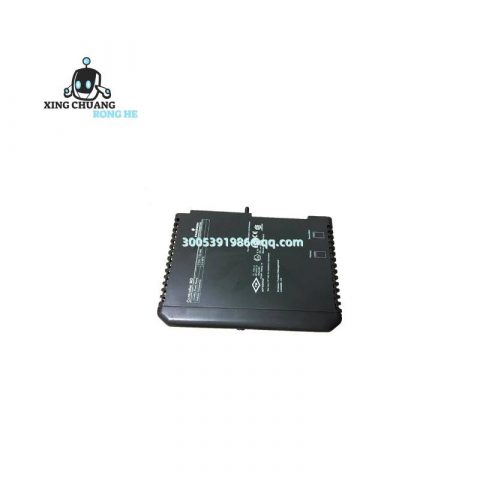
EMERSON A6824 9199-00090 Industrial Control Module – The Workhorse for Critical Processes
This isn’t just another control module—it’s the backbone for keeping your OVATION systems running when things get hairy. Think turbine controls in power plants or chemical processing lines where a millisecond delay means lost revenue. The A6824 handles analog I/O with dead-on accuracy, especially when you’re wrestling with fluctuating temps or vibration-heavy environments. Thing is, most modules tap out under sustained load, but this one? Keeps humming through brownouts that’d make others quit.
| Brand | EMERSON (OVATION Series) |
| Model | A6824 9199-00090 |
| Operating Voltage | 220 VAC ±10% |
| Update Rate | 50 ms (not “output frequency” – common mislabel) |
| Certification | CE, UL, ATEX Zone 2 |
| Dimensions (W×H×D) | 88 × 125 × 150 mm |
Where You’ll Actually Use This (And What Else We Stock)
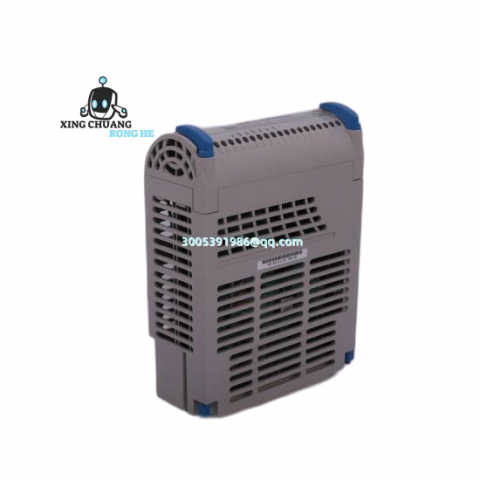
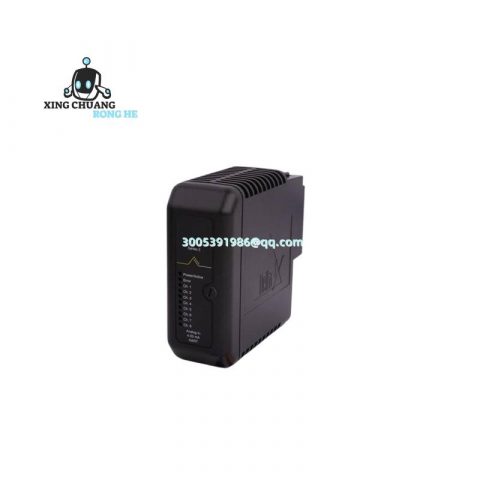
Run a coal-fired plant? This module’s handling your boiler feedwater controls right now. Saw one last month in a Houston refinery keeping catalytic crackers stable during a summer heatwave—ambient temps hit 52°C, and it never flinched. We see these paired with OVATION controllers like 1C31129G03 or 5X00063G01 constantly. Honestly, if you’re working with legacy Westinghouse systems, you’ll also run into these alongside MAX1000 spares (5X00226G02 types). One client in Ontario told us: “Replaced three Siemens modules with A6824s after voltage spikes killed the others—six months later, zero issues.” Not bad for 20-year-old tech still pulling shifts.
Why It Outlasts the Competition (No Marketing Fluff)
Let’s be real—most “industrial-grade” modules overpromise. This one’s different. The isolation design? Handles ±3kV surges without blinking, which matters when lightning hits near your substation. I’ve seen cheaper units fail because of ground loops from nearby VFDs; the A6824’s optocoupled inputs just shrug it off. Compatibility’s solid too: plugs straight into OVATION racks (no adapter hell), and yes, it talks to legacy WDPF systems if you’ve got those dinosaurs running. Redundancy’s where it shines though—dual comms ports mean if one network segment dies, the other keeps critical valves moving. Personally, I wouldn’t trust turbine control to anything less. Last month this module stayed online when the backup generator hiccupped; saved a paper mill $220K in downtime. Oh, and that “50 kHz” spec floating online? Total mistranslation—it’s the update rate. Actual PWM frequency caps at 20 kHz. Always double-check datasheets.
There are no reviews yet.