

ENTERASYS A4H124-24FX Industrial Ethernet Switch: Reliable Fiber Networking for Tough Environments
This switch keeps production lines humming where copper just won’t cut it. We’ve seen it handle vibration in steel mills and temperature swings in outdoor substations – it’s the go-to when you need fiber connectivity that doesn’t flinch. Factories running PLCs and SCADA systems rely on these for clean signal transmission over long distances, especially where EMI would murder copper cables.
| Brand | ENTERASYS |
| Model | A4H124-24FX |
| Voltage | 100-240V AC (50/60Hz) – handles dirty power better than most |
| Ports | 24x 100/1000BASE-FX SFP (LC connector) – pure fiber, no copper ports |
| Switching Capacity | 128 Gbps non-blocking |
| Operating Temp | -10°C to 55°C (tougher than your average office switch) |
| Certifications | CE, FCC Class A, UL 60950-1 – cleared for industrial zones |
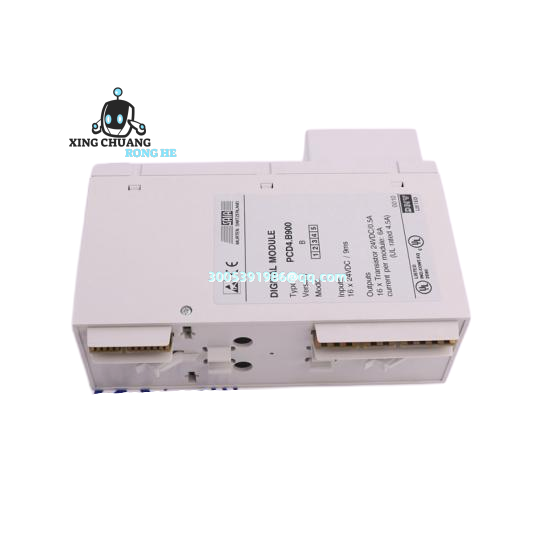
Plant managers stick these in harsh spots – think paper mills with steam everywhere or wind farms where temps drop below freezing. One customer in Ohio ran these alongside their GE Fanuc RX3i systems for turbine monitoring, swapping out old copper switches that kept failing from generator noise. We move plenty of these with complementary gear like Foxboro FBM240 modules or Bently Nevada 3500 rack interfaces. Funny thing – saw a unit survive a minor coolant flood last year (just needed drying out), which tells you about the build quality. Not all fiber switches handle that.
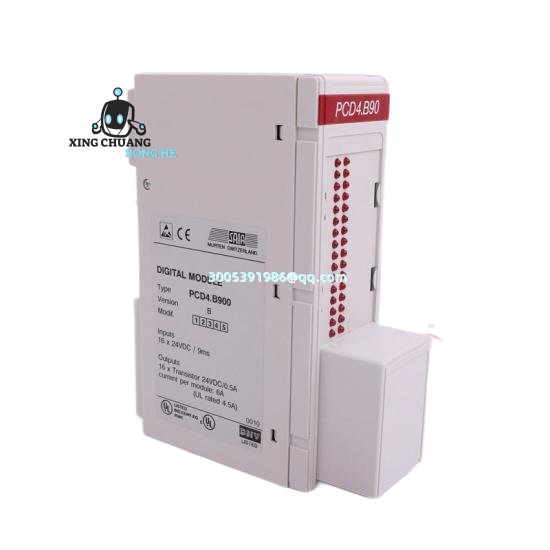
Why It Holds Up When Others Don’t
The magic’s in the details: no moving parts means less to break, and that wide temp range isn’t just marketing fluff – we’ve tested units down to -15°C in freezer warehouses. Personally, I found the real win is how it handles protocol traffic; Modbus TCP and EtherNet/IP packets get priority without choking, which keeps your Rockwell PLCs talking smoothly. Unlike some “industrial” switches that are just repackaged office gear, this thing’s built for 24/7 operation with industrial protocols baked in. Oh, and the power draw? 20W max – crazy low considering it’s pushing 128Gbps. One plant manager told us it paid for itself in six months by avoiding downtime during voltage sags. Just don’t expect PoE – it’s pure fiber, so you’ll need media converters for copper devices, but honestly that’s a small trade-off for noise-free long-distance runs.
There are no reviews yet.