

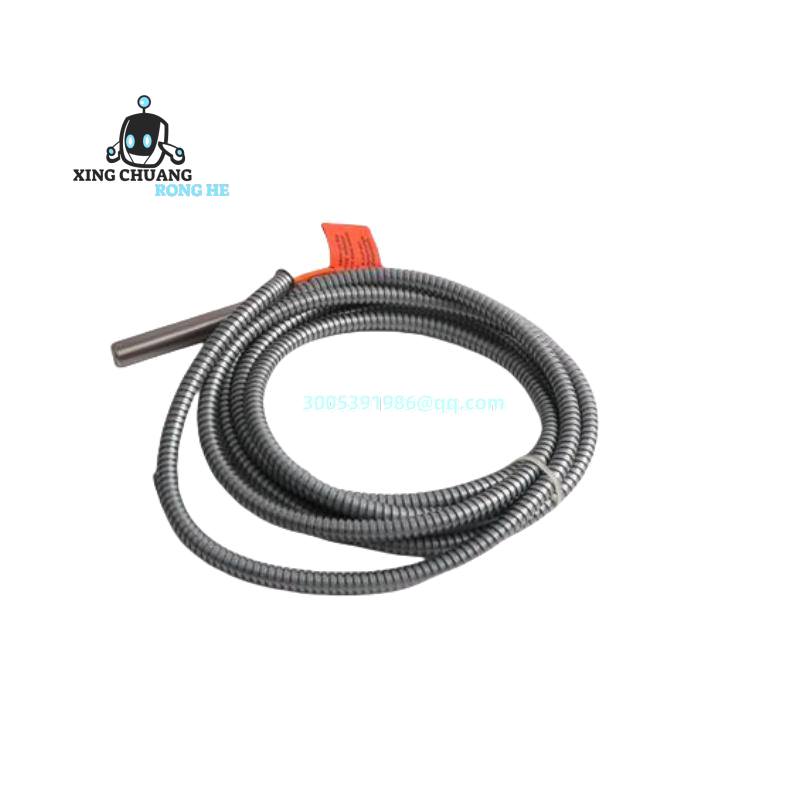
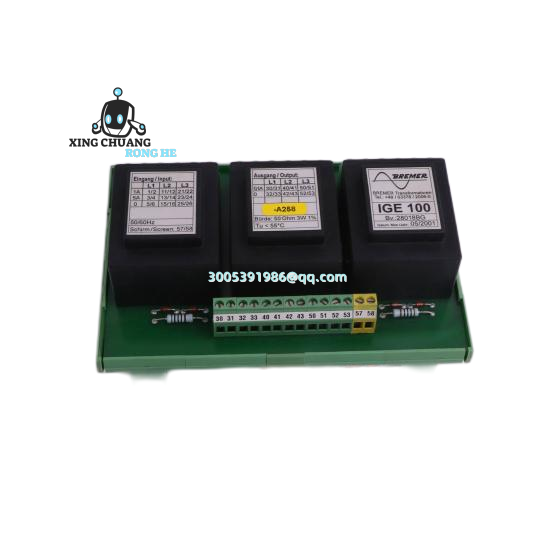
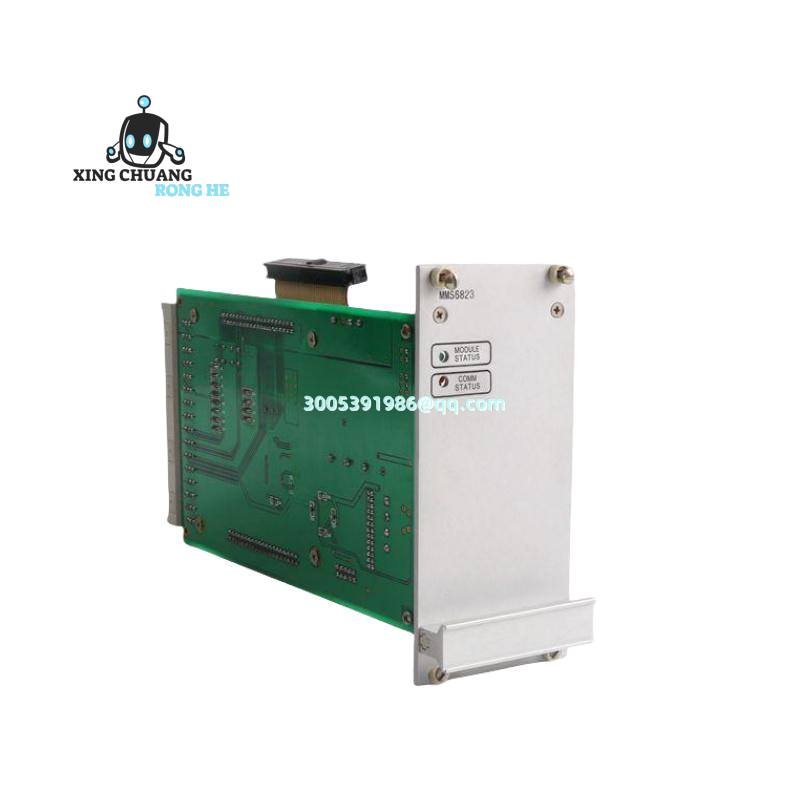
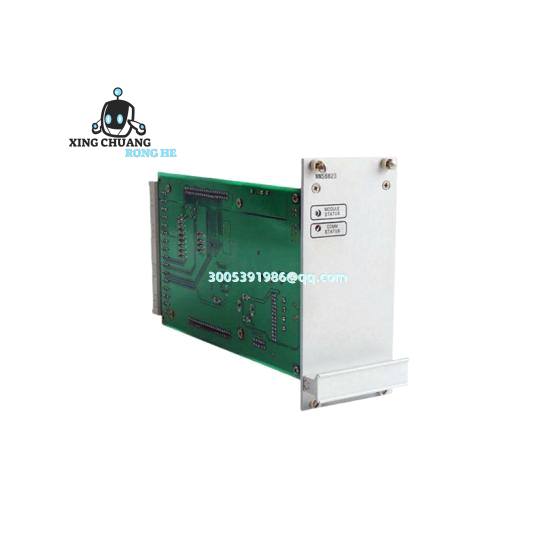
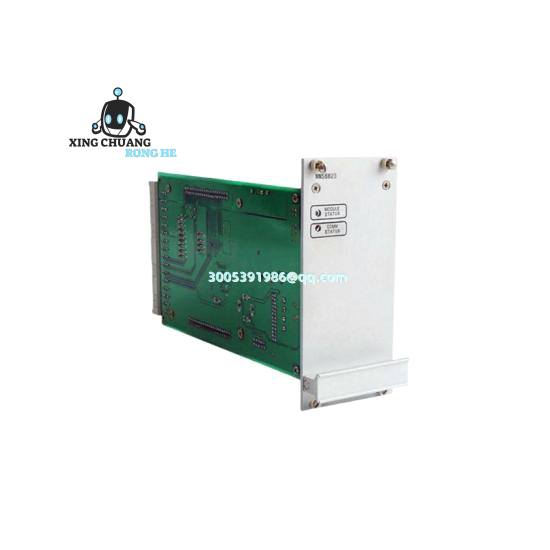
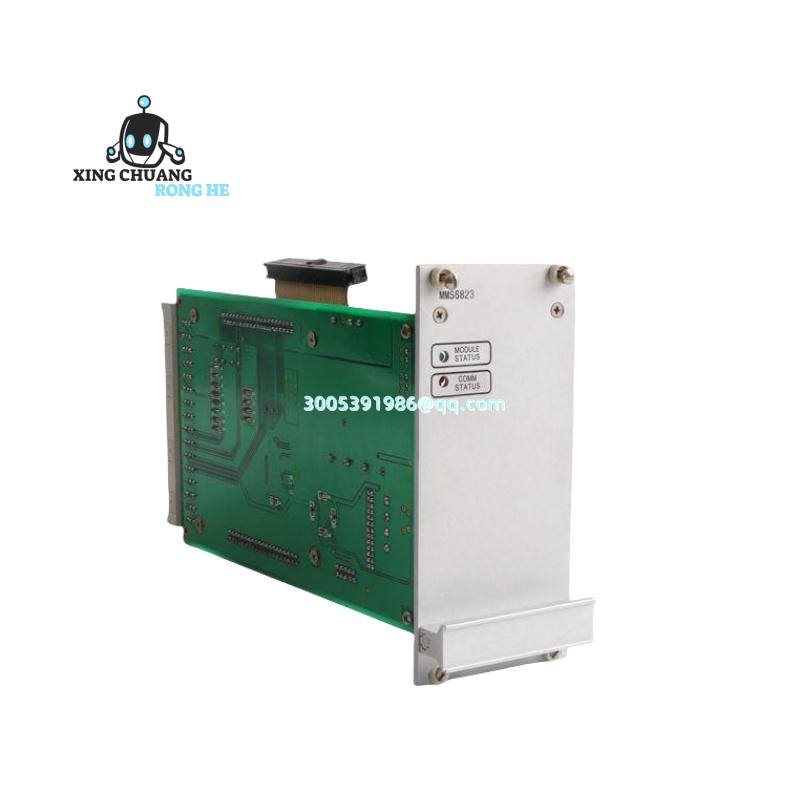
EPRO MMS6823 Controller Module: Industrial Monitoring Workhorse
This thing handles vibration monitoring and machinery protection where reliability matters most. You’ll find it keeping turbines, compressors, and pumps running smooth in power plants and refineries—no fancy fluff, just solid performance when you can’t afford downtime. Honestly, it’s the kind of module engineers reach for when they need something that won’t quit during a midnight shift.
| Brand | Emerson Epro |
| Model | MMS6823 |
| Dimensions | 120 × 100 × 55 mm (W×H×D) |
| Weight | 0.7 kg |
| Input Range | 0-22 VDC (wide tolerance for unstable plant power) |
| Operating Temp | -20°C to +70°C (handles steamy boiler rooms fine) |
| Comms Protocol | MODBUS RTU (talks to most SCADA systems) |
| Protection | IP65 (dustproof and splash-resistant) |
Where You’ll Actually Use This Thing
Saw one installed last month at a Midwest chemical plant monitoring critical centrifugal compressors—replaced a failing legacy system without rewiring the whole rack. Common setups include gas turbine protection (think GE Frame 7F units), refinery pump trains, and hydroelectric generator sets. If you’re running Bently Nevada 3300 or 3500 systems, this slots right in alongside MMS6120 condition monitors or MMS6110 keyphasors. One refinery maintenance guy told me: “We keep three spares onsite because losing this module means shutting down the crude unit.”
Why It Holds Up When Other Modules Fail
The real magic’s in how it handles chaos—like when plant voltage dips during a storm. Unlike cheaper controllers that reboot randomly, this uses dual power inputs with automatic switchover. Personally, I found the MODBUS implementation more forgiving than competitors; had one talking to a 15-year-old Foxboro I/A system using just twisted pair cable. Redundancy’s baked in too: dual processor cores cross-check vibration calculations, so if one channel glitches during a compressor surge, the other keeps protection active. Works straight with Emerson’s AMS Suite for diagnostics, but honestly? Most plants just pull raw data into their existing PI systems. Oh, and that IP65 rating—saw it survive a condensate leak in a Houston plant that drowned two nearby Allen-Bradley modules.
There are no reviews yet.