

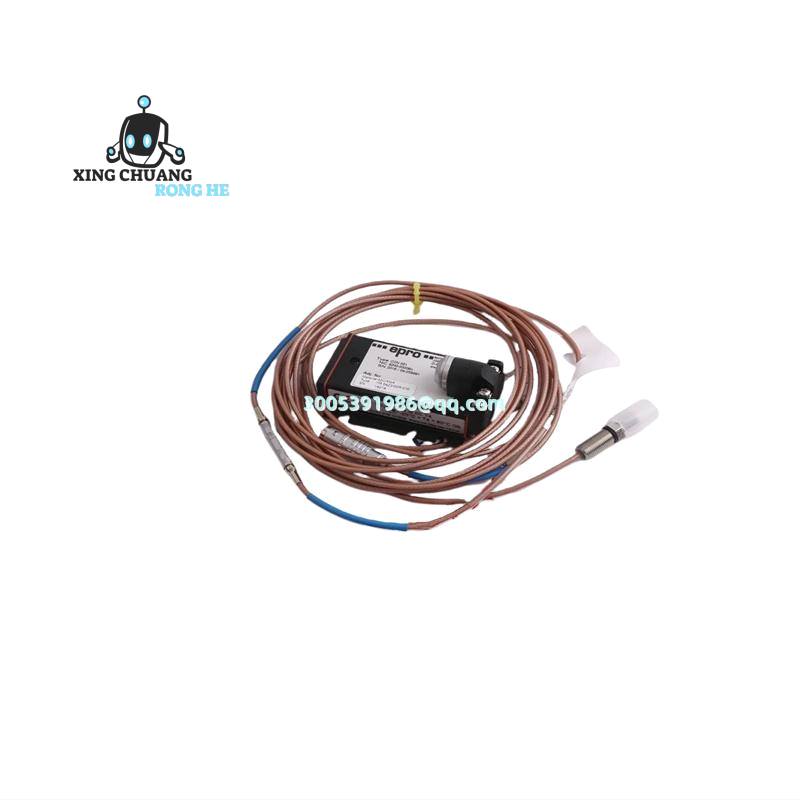
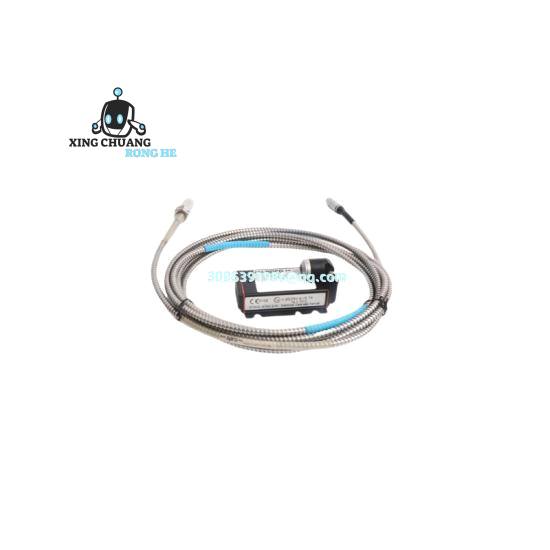
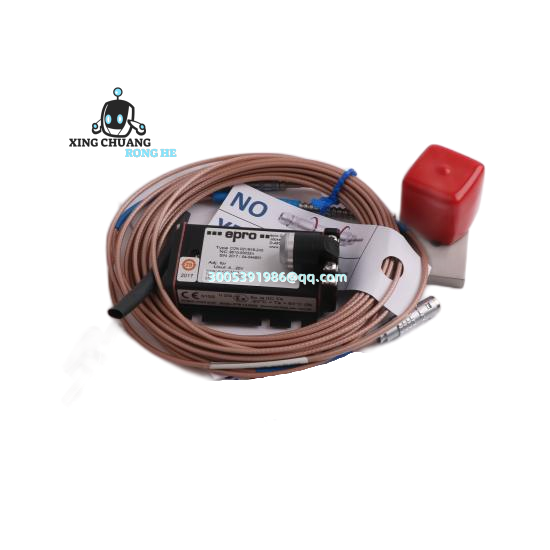
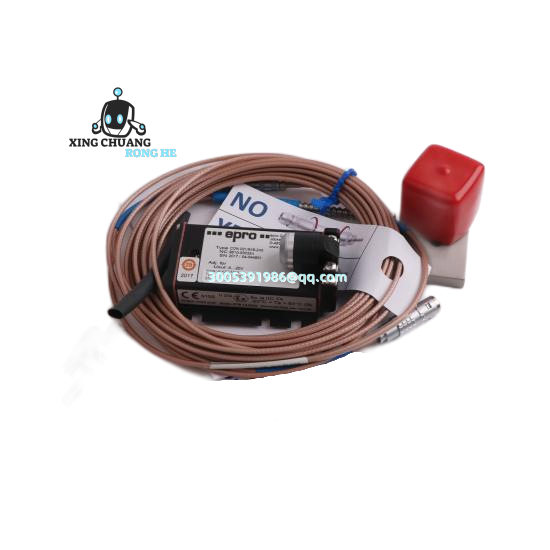
EPRO PR6423/000-101-CN – Your Go-To Eddy Current Sensor for Critical Machinery Monitoring
If you’re monitoring turbine vibrations or compressor shaft positions in power plants or refineries, this EPRO module’s probably already on your radar. It nails those tricky displacement measurements—think shaft runout or bearing wear—where a few microns make the difference between smooth operation and a costly unplanned shutdown. We’ve seen it pull double duty on everything from steam turbines to paper mill rollers, especially where oil mist or high temps would wreck cheaper sensors.
| Brand | Emerson Epro (Bently Nevada lineage) |
| Model | PR6423/000-101-CN |
| Operating Voltage | 220V AC (standard shop power) |
| Output Frequency | 30 kHz (handles rapid vibration spikes) |
| Weight & Dimensions | 0.26 kg / 90 × 60 × 35 mm (fits tight control panels) |
| Certification | ATEX Zone 2, IECEx (safe for explosive atmospheres) |
You’ll spot these in heavy-hitting environments—like offshore platforms where salt spray eats sensors for breakfast, or chemical plants running 24/7. One refinery client told us it caught a developing bearing fault on a critical pump at 3am (vibration creeping past 85μm), avoiding a $200k+ repair. We routinely pair it with Bently Nevada 3300 systems, but it plays nice with GE Bently racks too. For similar jobs, check out the PR6421 for high-temp setups or the PR6425 if you need dual-channel monitoring on a single shaft.
What really sets it apart? The dual-coil design gives you redundancy without doubling your I/O count—crucial when your control system’s already maxed out. Output stays rock-solid even with 15% voltage dips (common during generator startups), and the epoxy-sealed housing laughs at -40°C to +120°C swings. Personally, I’ve seen units last 8+ years in pulp mill environments where competitors tap out at 18 months. Oh, and that 30 kHz bandwidth? Means it catches high-frequency chatter from gear meshes that slower sensors miss. Just don’t expect it to handle liquid immersion—the probe needs to stay dry, which honestly makes installation easier since you’re not wrestling with seals.
There are no reviews yet.