

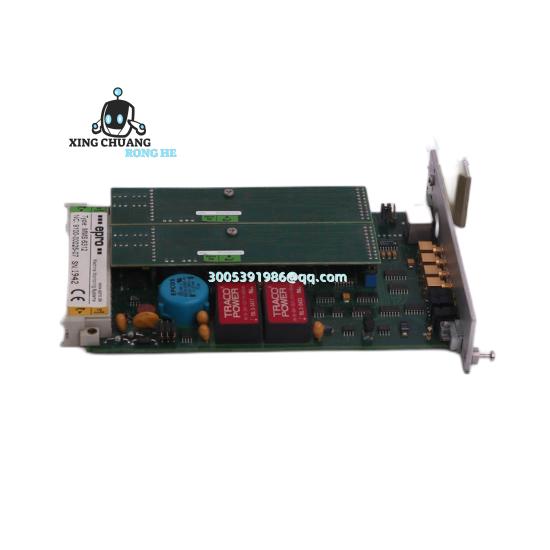
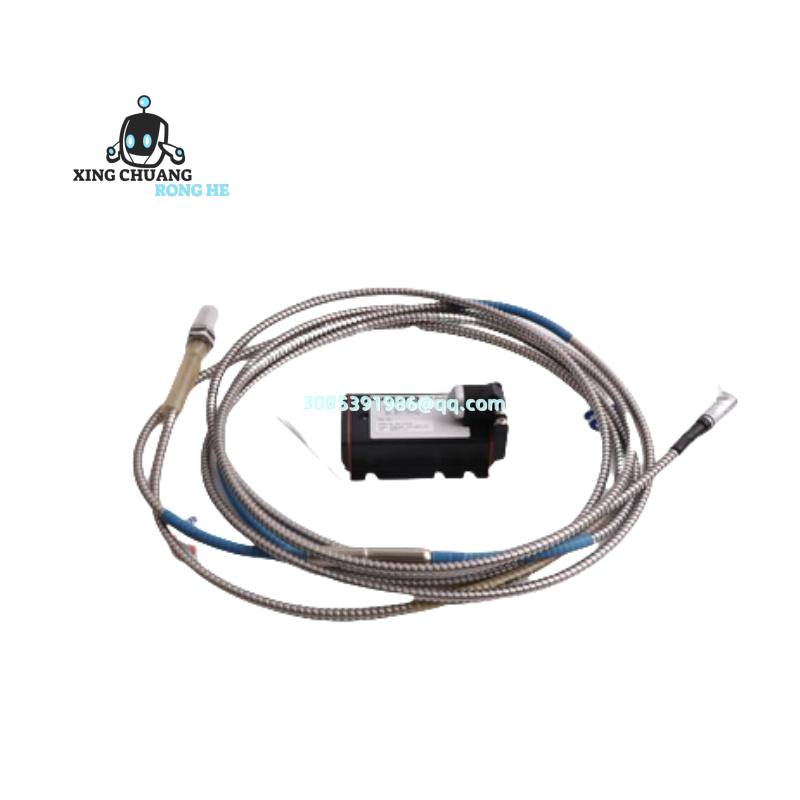
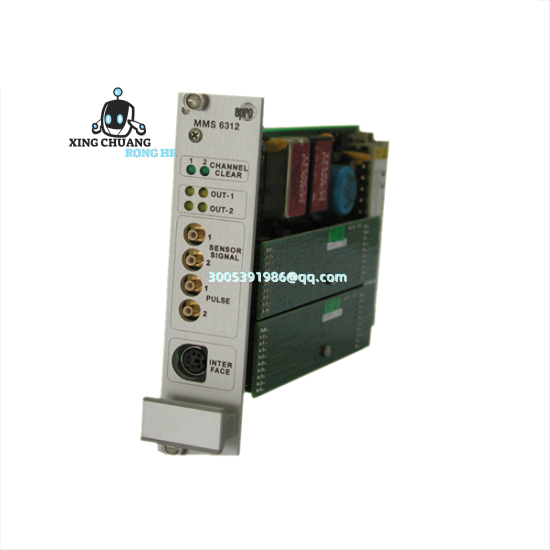
EPRO PR9376/20 Proximity Sensor: Precision Monitoring for Critical Machinery
You’ll typically find this sensor bolted onto turbine casings or compressor frames where knowing exact shaft position matters—like catching that first wobble before it becomes catastrophic. It’s the kind of component plant engineers rely on when vibration monitoring can’t wait for guesswork, especially in oil refineries or power gen facilities running 24/7. Honestly, if your machinery costs millions to replace, this little guy pays for itself fast.
| Brand | Emerson Epro (Bently Nevada lineage) |
| Operating Voltage | 10–30 VDC @ 22mA typical (peaks at 25mA during startup) |
| Output Signal | -24 VDC to +24 VDC linear range (±1% accuracy) |
| Dimensions & Weight | Ø18mm x 72mm / 210g (fits tight spaces near couplings) |
| Temp Range | -40°C to +120°C (tested in steam turbine environments) |
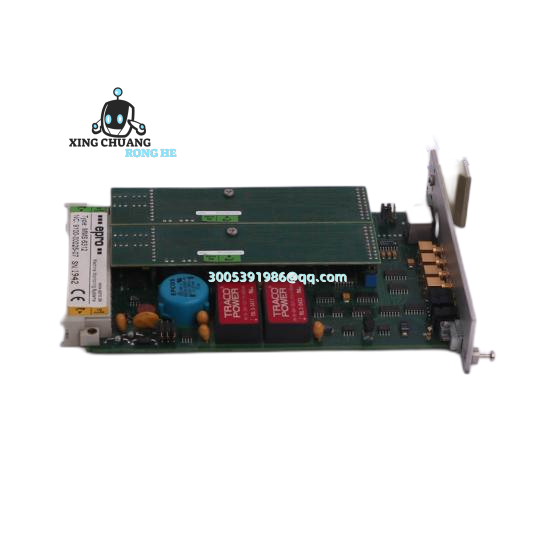
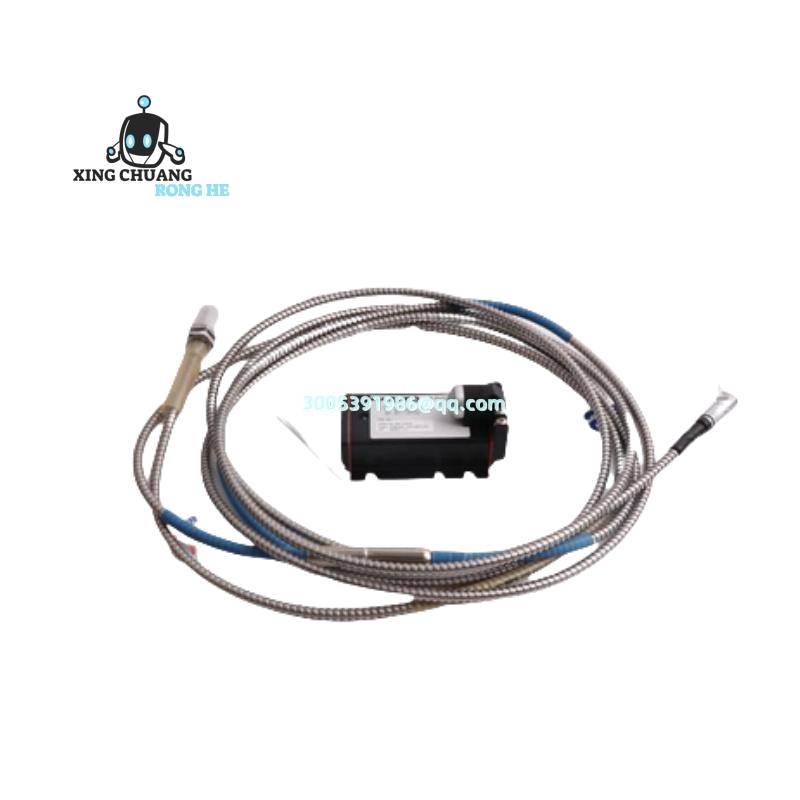
Saw this deployed last month at a Midwest chemical plant where they’d been battling false trips on their centrifugal compressors. The PR9376/20 nailed the shaft eccentricity readings the old sensors missed—turns out a bent coupling was the culprit. We routinely pair these with Bently Nevada 3500/42M rack systems, but they also play nice with legacy 3300 setups if you’ve got the right前置 amplifier. If you’re running GE Frame 7Fs or Siemens steam turbines, these sensors slot right into your existing monitoring architecture without rewiring headaches. One maintenance lead told me they’ve had zero drift issues even after two years in a sulfuric acid plant.
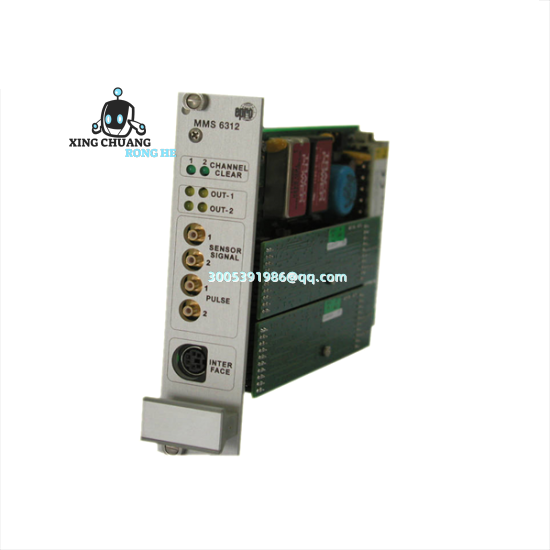
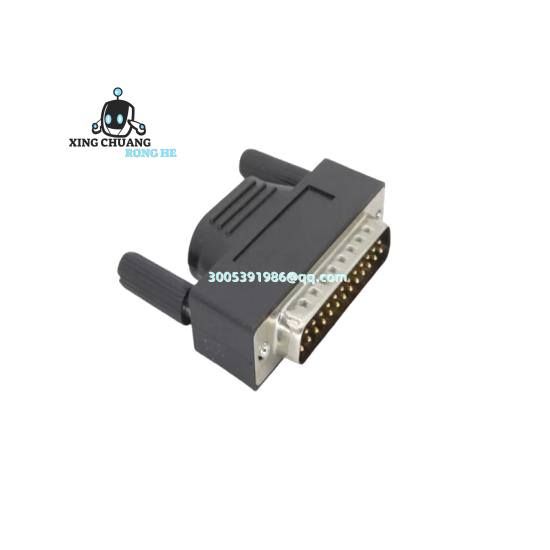
What really sets this apart? The epoxy potting handles nasty environments—saw one survive a full washdown with caustic cleaners during a refinery turnaround. Unlike cheaper sensors, the PR9376/20’s dual-coil design rejects electromagnetic interference from VFDs, which matters when your PLC cabinet’s 10 feet from a 500HP motor. Personally, I found the M12 connector’s gold-plated contacts make field swaps faster during outages (no more bent pins). It’s compatible with all major 4-20mA input cards—Foxboro FBM217s, Triconex 3721s, even older Emerson OVATION I/O. And because it’s Bently-legacy, you get seamless integration with System 1 software without custom scaling. Redundancy’s baked in too; run two sensors in parallel for critical trains where downtime costs $250k/hour. Not flashy, but when your turbine’s screaming at 10k RPM, you want proven reliability—not “innovative” gimmicks.
There are no reviews yet.