

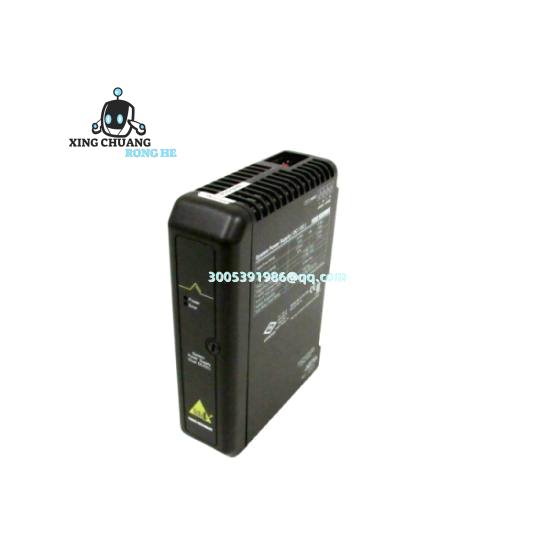
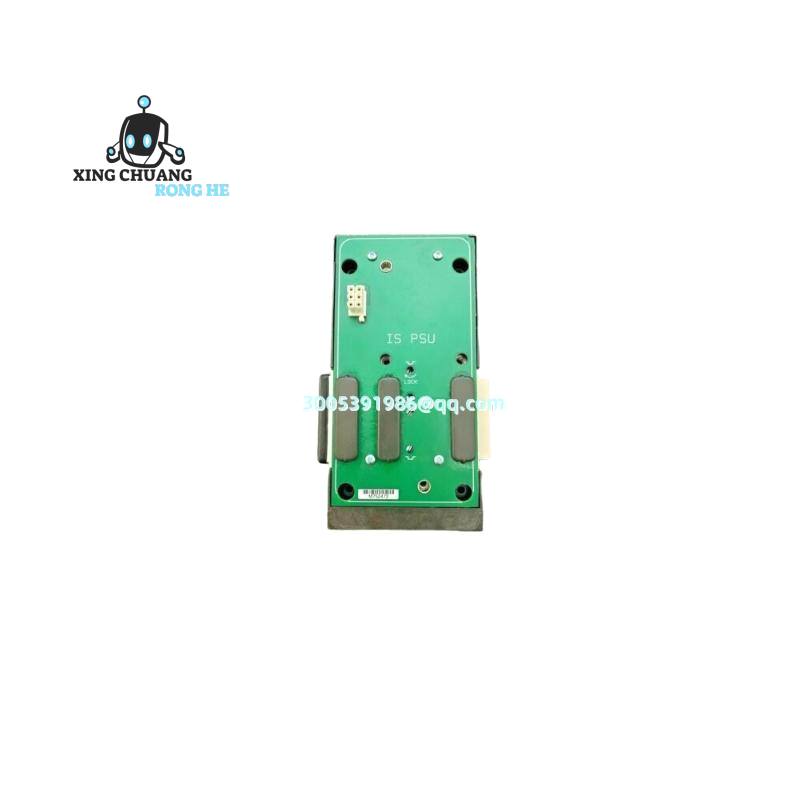
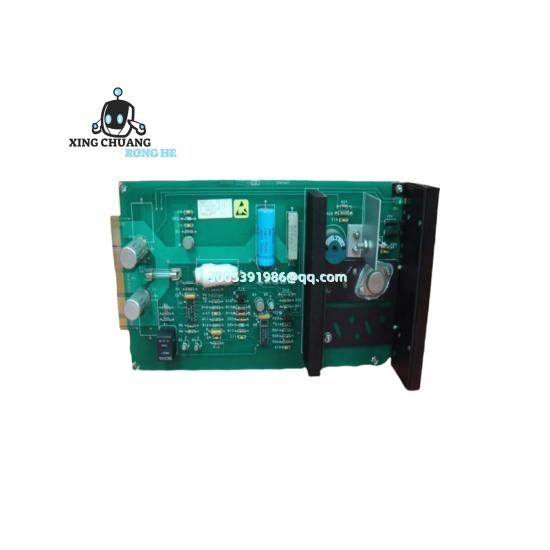
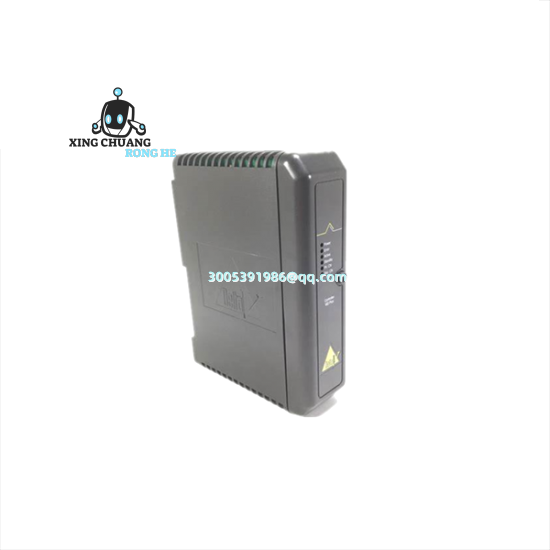
FISHER-ROSEMOUNT KJ3004X1-BA1 Analog Input Module: Precision You Can Trust in the Trenches
This little workhorse handles critical analog signals where it counts – think refinery distillation columns, chemical reactor monitoring, or power plant boiler controls. Forget lab-perfect conditions; it’s built to pull clean 0-20mA or 0-10V readings from noisy field environments when your process stability depends on it. Honestly, if your control system needs rock-solid analog inputs that won’t flinch during summer heatwaves or winter freezes, this is the module you want in your rack.
| Specification | Detail |
|---|---|
| Brand | FISHER-ROSEMOUNT (Emerson legacy) |
| Function | 4-Channel Analog Input |
| Signal Range | 0-20mA / 0-10V (configurable per channel) |
| Accuracy | ±0.05% – keeps your PID loops happy even with tricky sensors |
| Operating Temp | -40°C to +85°C – survived a Texas summer in an uncooled panel once |
| Physical Size | 100 x 100 x 30mm – fits tight spaces without fuss |
| Weight | 0.6kg – light enough to carry in your tool pouch |
You’ll spot these KJ3004X1-BA1 modules deep inside Emerson DeltaV and Ovation systems across oil refineries, water treatment plants, and pharmaceutical facilities. Last month we pulled one out of a 15-year-old batch reactor control system that was still humming along – replaced it with a fresh unit to keep production running. They’re commonly paired with 1C31129G03 I/O cards or 5X00063G01 processors in legacy Westinghouse setups. Honestly, if you’re maintaining aging Fisher-Rosemount or early DeltaV racks, this analog input is probably already doing the heavy lifting somewhere.
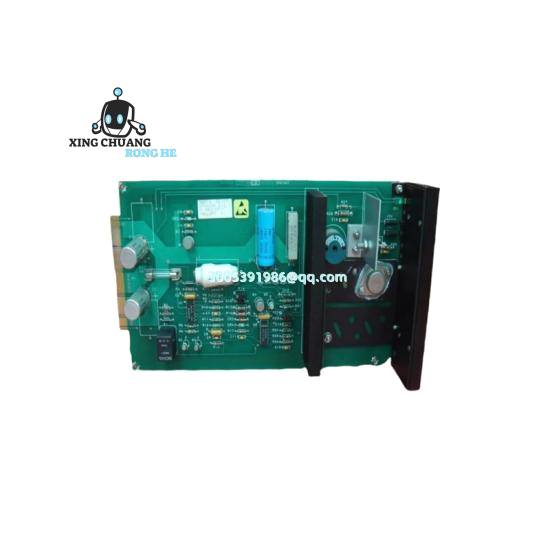
What really sets it apart? The terminal blocks won’t strip when you’re tightening wires with cold hands at 3AM – personally, I found that a huge time-saver during night shift calibrations. It handles nasty ground loops without throwing fits, and the channel-to-channel isolation (500V AC) stops noise from messing with critical temperature readings. Compatibility’s solid with most Emerson distributed control systems from the late 90s onward, and the hot-swappable design means no more taking entire racks offline for routine replacements. Sure, the firmware’s not “smart” by today’s IoT standards, but when you need analog inputs that just work without constant babysitting? This module’s earned its spot in control rooms worldwide.
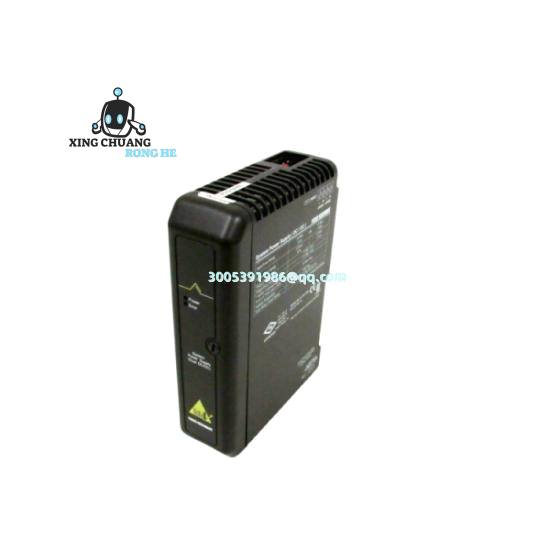
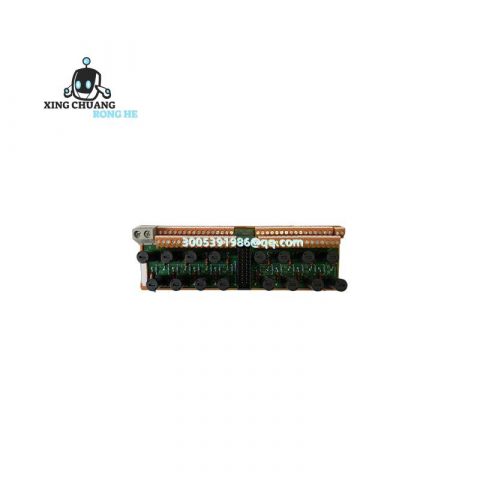
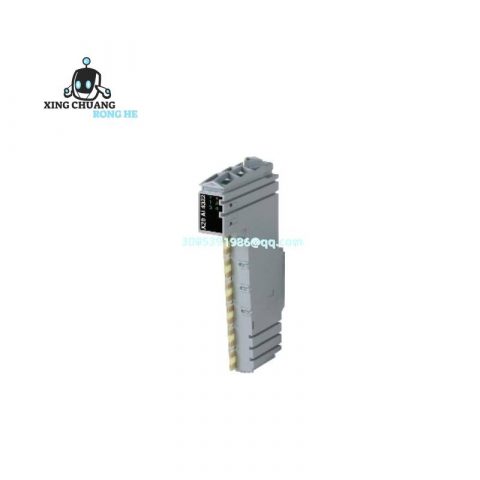
There are no reviews yet.