

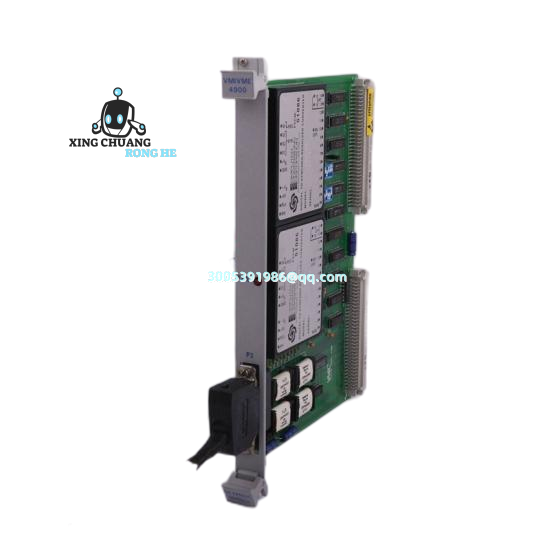
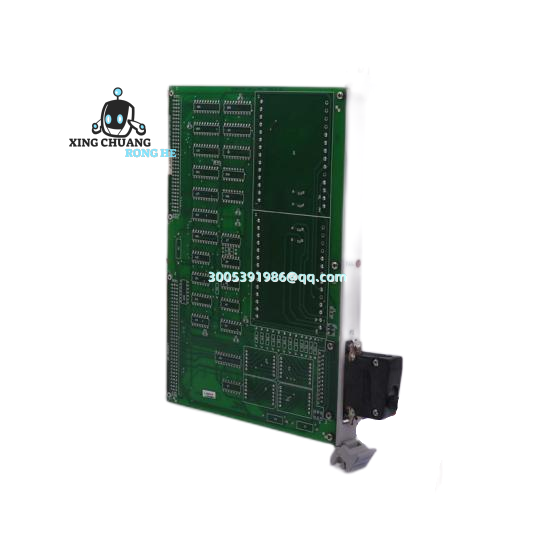
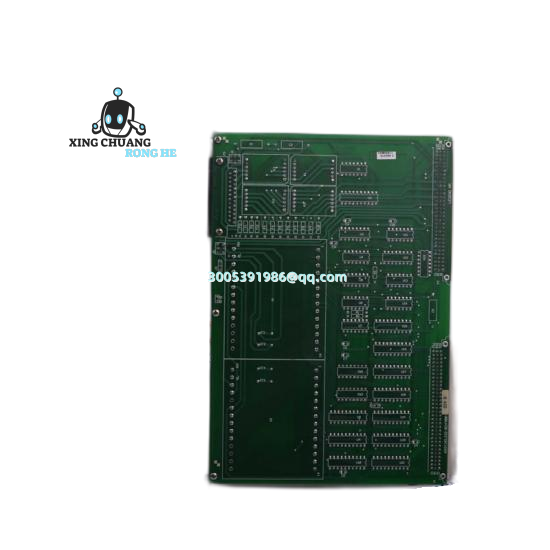
GALIL DMC9940 Motion Controller: Precision That Actually Holds Up on the Factory Floor
If you’re running CNC routers, pick-and-place systems, or multi-axis packaging lines that keep missing tolerances, this controller might save your midnight sanity. The DMC9940 handles complex motion paths without the usual hiccups—like when your servo motors stutter during rapid direction changes. We’ve seen it keep laser cutters dead-on even when the shop temp swings from AC blast to summer heat.
| Brand | GALIL |
| Model | DMC9940 |
| Axes Capacity | 8 (but runs a bit hot if you max it out) |
| Control Modes | Position, velocity, torque—no weird mode-switching delays |
| Comms | Ethernet (solid), RS-232 (legacy but works), RS-485 (for noisy shops) |
| Power & Temp | 9-30VDC, -20°C to 70°C (survived our warehouse’s unheated winter) |
| Size/Weight | 4.5″ x 6.5″ x 1.5″ / 0.5 lbs (who measures controller weight anyway?) |
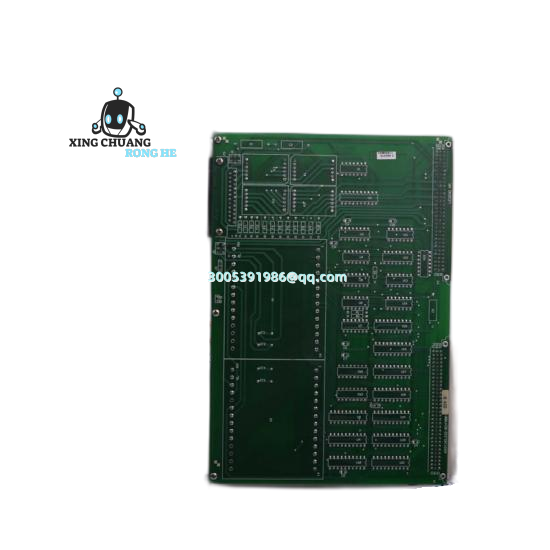
You’ll find these humming in semiconductor handling systems where micron-level accuracy matters, or retrofitting old bottling lines that kept jamming. One customer actually used it to sync 6-axis robotic arms for automotive welding—replaced their jittery legacy system in a weekend. We deal mostly in GALIL’s DMC-4000 series controllers, but the 9940 fits right alongside ABB’s DSQC robot modules or GE’s VMIVME drives when you need hybrid motion control. Pro tip: Pair it with Bently Nevada probes if vibration monitoring’s part of your setup.
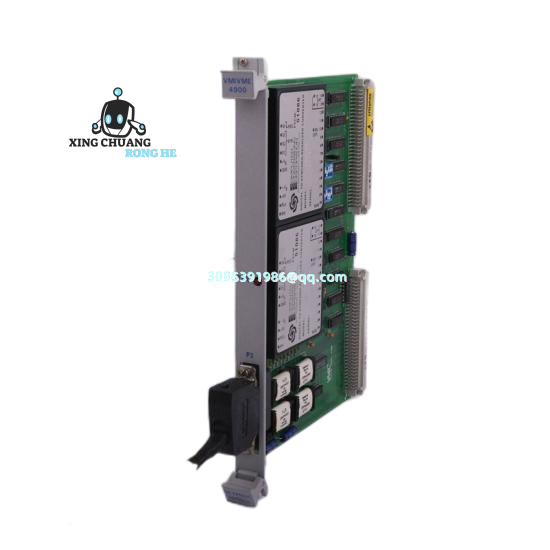
The real win? Programming flexibility without the usual headaches. DMC Basic gets you running fast, but Python integration saved one client 3 weeks on a vision-guided sorting project—no more wrestling with proprietary IDEs. Ethernet comms stay rock-stable even with 50+ devices on the network (unlike some “industrial-grade” controllers we’ve seen). It won’t magically fix bad mechanics, but the torque control mode prevents motor stalls during sudden load changes. Personally, I found the RS-485 port lifesaving when adding legacy stepper motors to a modern line. Just don’t expect redundancy—if one axis fails, the whole motion sequence halts. For most shops though, that’s kinda the point: keep it simple so maintenance crews actually understand it.
There are no reviews yet.