

GE IS200TBCIH1BBC Terminal Board: Keeping Turbines Running Smoothly
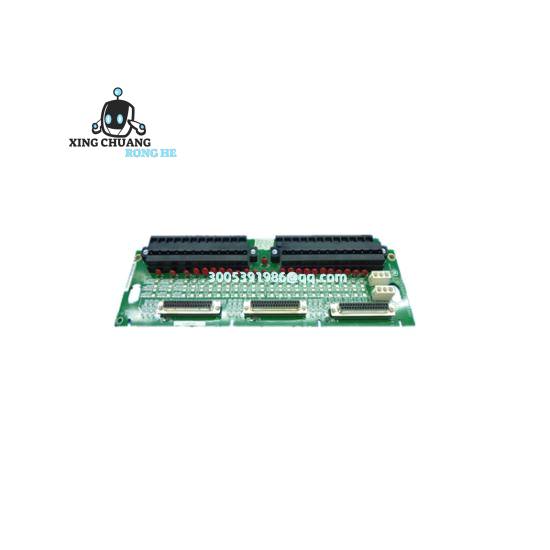
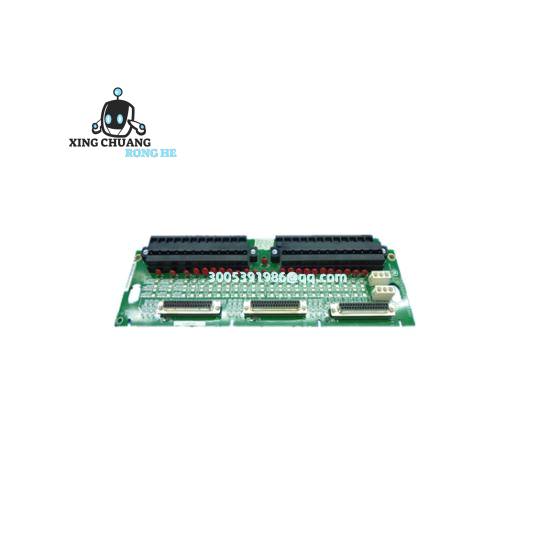
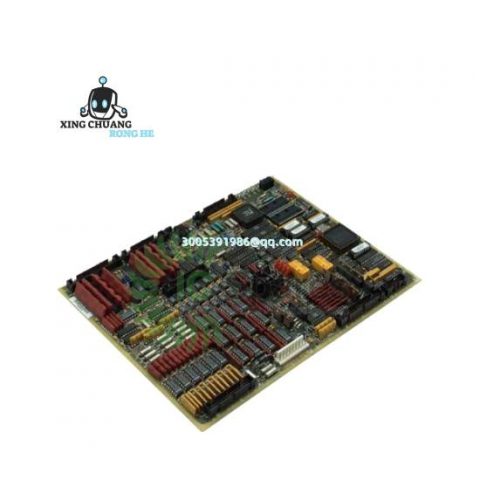
This terminal board handles the messy business of signal routing in GE’s Mark VI turbine controls. You’ll find it buried deep in gas and steam turbine control racks where it manages critical field connections—things like valve position feedback, vibration sensors, and emergency trip circuits. Honestly, it’s not glamorous work, but when turbines are spinning at 3,600 RPM, you want these connections rock-solid.
| Brand | General Electric (GE) |
| Model | IS200TBCIH1BBC |
| System Compatibility | Mark VI/Mark VIe Turbine Controls |
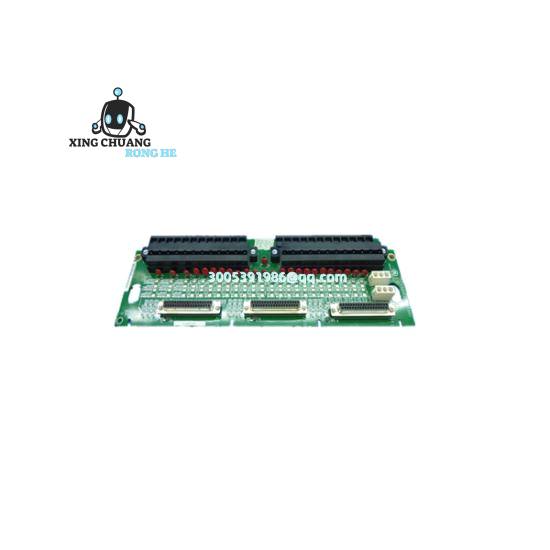
| Terminal Capacity | 96 terminals (2× 48-position blocks) |
| Adjustment Components | 3× precision potentiometers (top-right) |
| Physical Dimensions | Approx. 11.75″ L × 5.9″ W × 1.2″ H |
| Weight | ~1.4 lbs (with terminal blocks) |
Power plants live and die by these terminal boards. We’ve shipped them to combined-cycle facilities in Texas where they handle generator sync signals, and to offshore platforms where salt air eats lesser components alive. Recently, a Midwest plant engineer told us: “That IS200TBCIH1BBC kept our steam turbine online during a lightning strike—those terminal blocks didn’t flinch.” If you’re working with Mark VI systems, you’ll also see these in racks alongside VMIVME-7807 I/O modules and IS215UCVEH2A controllers. They’re the unsung heroes connecting field devices to the brains of the operation.
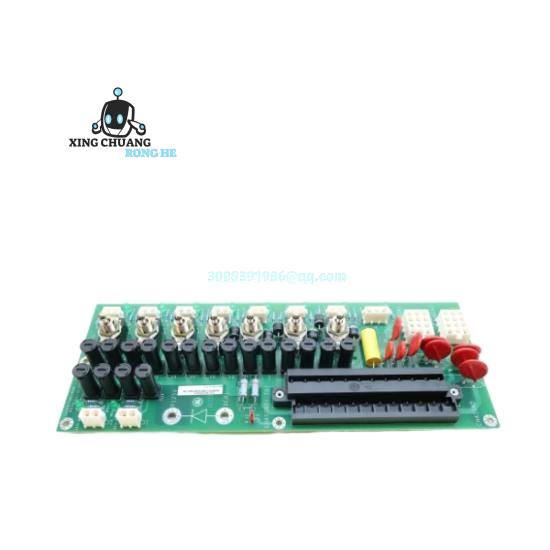
What makes this board worth the hassle of sourcing spares? First, those heavy-duty terminal blocks accept 12-24 AWG wires without breaking a sweat—vibration won’t loosen them like cheaper alternatives. Personally, I’ve seen the potentiometers save technicians hours during calibration; just tweak them onsite instead of swapping entire I/O cards. The epoxy-coated PCB handles 140°F cabinet temps without issue, and the gold-plated contacts? They’ve survived 15+ years in coal plant control rooms where dust would kill ordinary terminals. Most importantly, it’s designed for Mark VI’s triple-redundant architecture—you can pull one board for maintenance while the turbine keeps running. Honestly, it’s not fancy tech, but when your $50 million turbine depends on it, you’ll appreciate that bulletproof simplicity.
There are no reviews yet.