

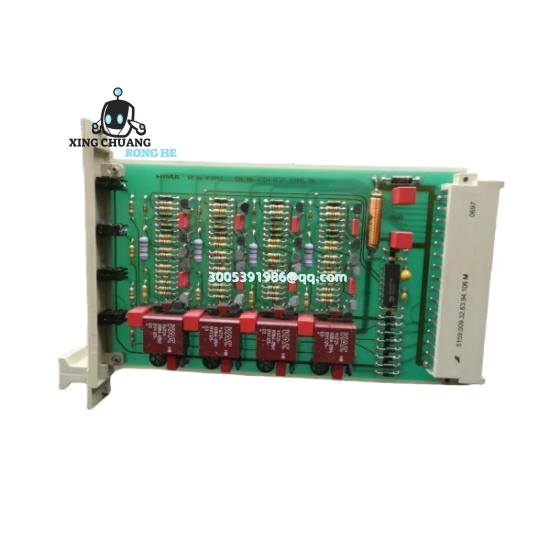
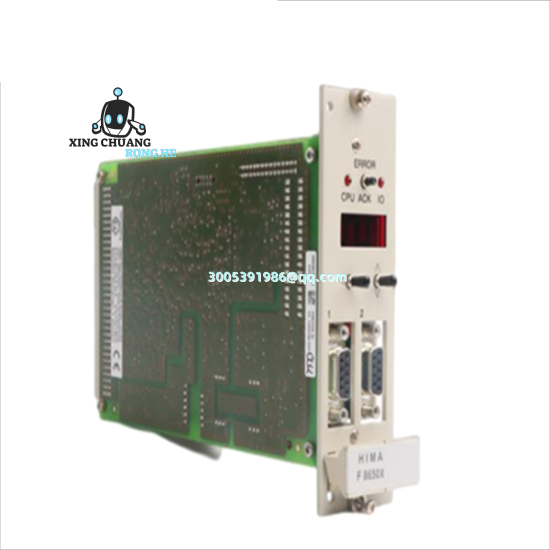
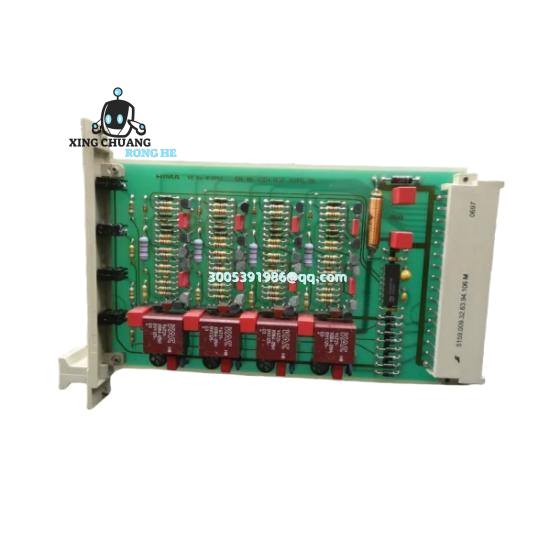
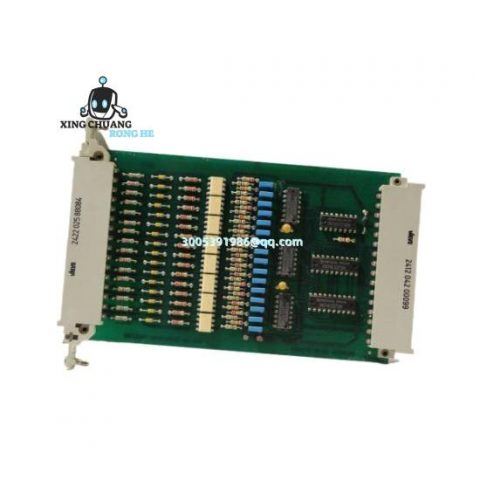
HIMA F7533 Digital Input Module: Reliable Signal Capture for Critical Processes
When you’re dealing with proximity switches in explosive environments or need millisecond-accurate event logging, the F7533 becomes your go-to workhorse. It’s not just another DI module—it’s the component that keeps your safety systems breathing during voltage spikes or sensor failures. Factories running continuous processes like chemical batches or turbine startups rely on it to catch those split-second events that could mean shutdowns or worse.
| Brand | HIMA |
| Input Type | 8-channel dry contact / PNP |
| Voltage Range | 8.2 V DC nominal (5.5–30 V DC range) |
| Response Time | ≤12 ms per channel |
| Certifications | ATEX Zone 1, IECEx, UL 61010-1 |
| Dimensions | 100 x 120 x 75 mm (DIN rail mounted) |
You’ll find these tucked into emergency shutdown systems at offshore rigs where salt spray eats lesser electronics alive, or in pharmaceutical cleanrooms where a single missed sensor pulse ruins $200k batches. One refinery client actually wired 17 F7533s to monitor flare stack ignition sequences—they’ve run nonstop through three hurricanes now. We regularly pair them with HIMA F7553 output modules for full SIL 3 loops, but they play nice with older Triconex 3501E or GE Mark VIe systems too when you’re stuck with legacy gear. Honestly? If your process involves explosive atmospheres or needs event timestamps accurate to 1ms, this is the DI module you don’t want to skip.
Why It Holds Up When Others Fail
Most DI modules choke when voltage dips below 9V, but the F7533’s wide 5.5–30V range means it keeps logging events during brownouts—critical for turbine coast-down scenarios. The SOE timestamping? It doesn’t just record “when” a valve failed; it syncs to IEEE 1588 to show you exactly which sensor glitched 3ms before the alarm. Field techs love how the dual-processor design catches internal errors before they corrupt data (saw one unit flag a failing channel during a Texas ice storm while the backup kept the compressor running). And let’s be real—if ATEX Zone 1 certification didn’t matter, you wouldn’t be sweating over gas leaks in your control room. Personally, I’ve seen cheaper modules fry after two lightning strikes near Houston refineries; this thing shrugs them off like yesterday’s coffee.
There are no reviews yet.