

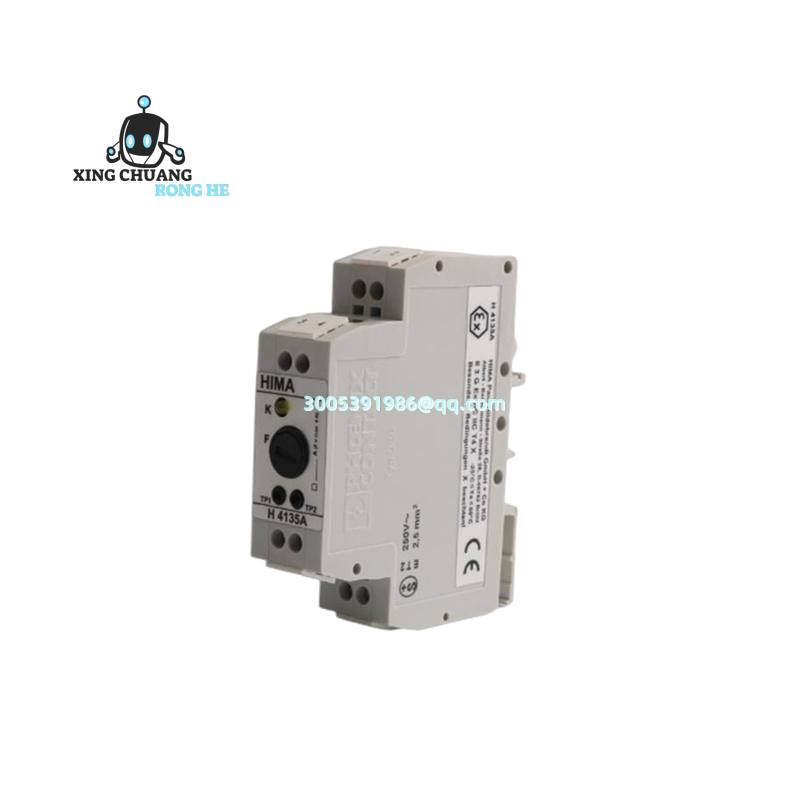
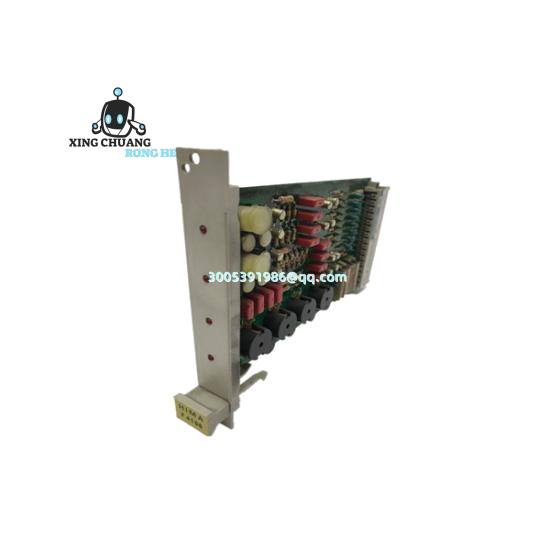
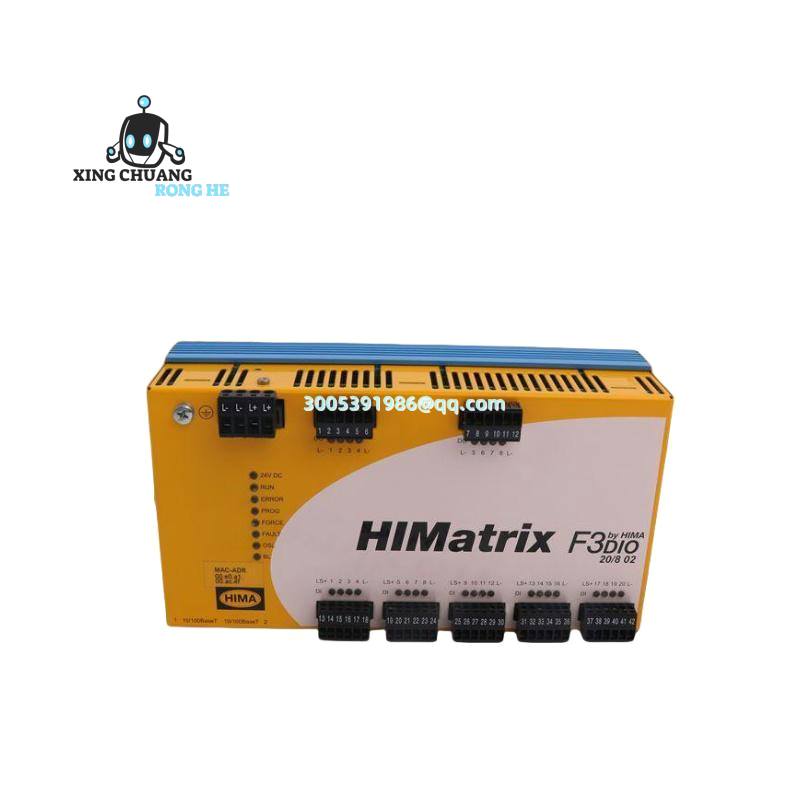
HIMA H4135A Safety Relay Module: Your Last Line of Defense in Critical Systems
When emergency stops need to trigger faster than a human reaction time – think robotic welding cells suddenly going haywire or chemical valves needing instant lockdown – this little HIMA workhorse becomes your silent guardian. We’ve seen it deployed everywhere from Detroit auto plants where a single relay failure could mean million-dollar stamping press collisions, to offshore oil rigs where temperature swings would cripple lesser components. It’s not just another relay; it’s the final safety net when everything else fails.
| Attribute | Specification |
| Brand | HIMA |
| Model | H4135A (992413560) |
| Module Type | Dual-Channel Safety Relay |
| Electrical Rating | 24V DC / 2A per channel |
| Environmental Range | -25°C to +70°C (no derating) |
| Physical Dimensions | 120 x 90 x 75 mm / 0.5 kg |
| Protection Rating | IP20 (dust/shock resistant housing) |
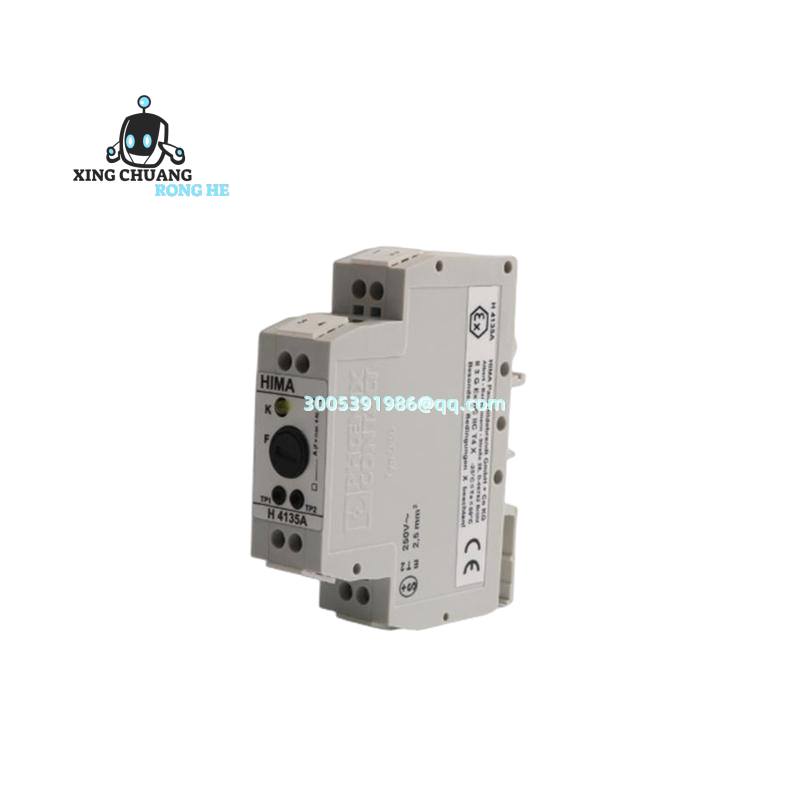
Truth be told, most plant managers don’t realize they need this until after their first near-miss incident. We’ve shipped these into everything from pharmaceutical clean rooms where sterility means replacing relays every 18 months, to aluminum smelters where conductive dust would choke standard relays. Alongside the H4135A, our warehouse typically stocks complementary gear like HIMA’s H41q series safety PLCs, ABB’s AC500-S emergency stop modules, and GE’s VMIVME-7807 safety processors – the kind of stuff that keeps production lines breathing when things go sideways. One maintenance lead in Ohio actually called it “the only relay that survived our winter freeze-ups without recalibration.”
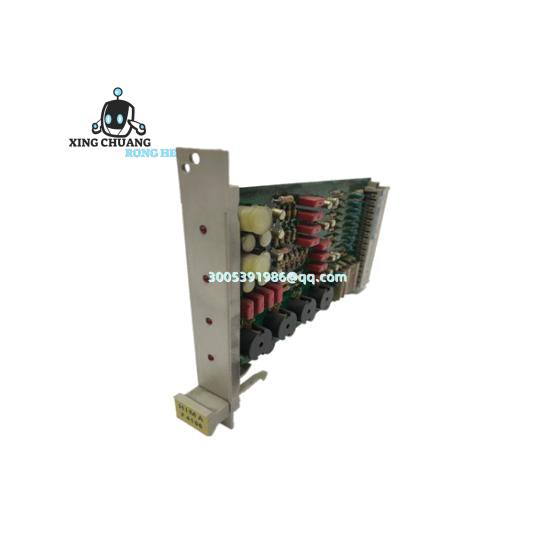
What really sets this apart isn’t just the dual-channel redundancy – though that’s critical for SIL 3 applications – but how it plays nice with legacy systems. You’d be surprised how many 20-year-old Foxboro I/A systems we’ve retrofitted with these without touching the existing wiring. The real magic happens during voltage dips; while cheaper relays chatter or drop out, the H4135A holds steady down to 19V DC. Personally, I found the mechanical latching design saves headaches during power cycling – no more frantic reboots when the grid flickers. And that IP20 rating? More than enough for panel-mounted use where conduit seals handle the real environmental threats. Last month, a steel mill avoided a $180k furnace incident because this module triggered shutdown 12ms faster than their old setup. Sometimes those milliseconds are the difference between a maintenance note and a front-page disaster.
There are no reviews yet.