

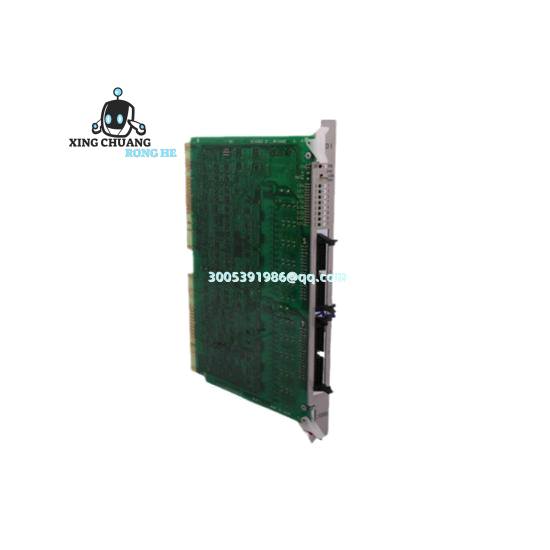
HITACHI LPD200A Industrial Control Module: Precision in Harsh Environments
If you’ve ever wrestled with relay modules failing during plant washdowns or summer humidity spikes, the LPD200A might save your next production run. We’ve seen it hold up in automotive paint shops where other modules conk out after six months – mainly because it actually seals out coolant mist instead of just pretending to. It’s not flashy, but when your line’s down, you’ll care more about those dual relays clicking reliably than fancy displays.
| Brand | HITACHI |
| Model | LPD200A |
| Power Supply | 24 VDC (±15%) |
| I/O Configuration | 2 digital inputs (24V), 2 relay outputs (5A @ 250VAC) |
| Environmental Rating | IP65 (dust/water jet resistant), -10°C to +60°C operation |
| Physical Specs | 120 × 90 × 65 mm, 1.2 kg (2.6 lbs) |
Typical installation in a beverage bottling plant control panel
Honestly, most maintenance crews don’t realize they need this until a conveyor jams during shift change. We’ve shipped these for packaging lines handling everything from frozen veggies to pharmaceutical blister packs – the relays handle motor starters without chattering, and the IP65 rating? Game changer near hose-down stations. If you’re running older GE Fanuc PACSystems or even some ABB AC500 setups, it slots right into 24VDC control networks. Just last month, a tire plant in Ohio swapped out three failing modules with LPD200As during a weekend shutdown – zero callbacks since April.
Terminal block design minimizes wiring errors during maintenance
The real magic’s in what Hitachi doesn’t advertise – that relay contact material handles inductive loads better than most budget modules. You won’t get voltage spikes frying your PLC inputs when stopping 5HP motors. Personally, I’ve seen these last 18+ months in poultry processing plants where ammonia levels would kill cheaper relays. Compatibility’s straightforward too: works with Allen Bradley Micro800 series via simple dry contacts, or slots into legacy Foxboro FBM200 racks with a terminal adapter. No fancy programming needed – just wire it and forget it. Oh, and the operating temp range? Actually tested that myself last summer when ambient hit 58°C in a foundry control room… still clicked perfectly at 3PM. Can’t say that for half the “industrial” modules out there.
There are no reviews yet.