

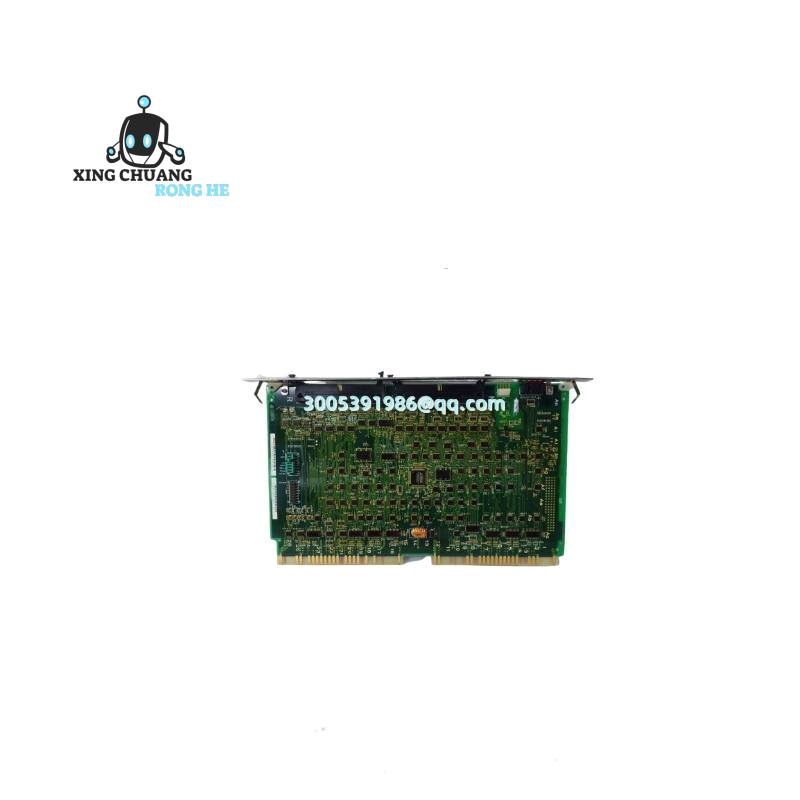
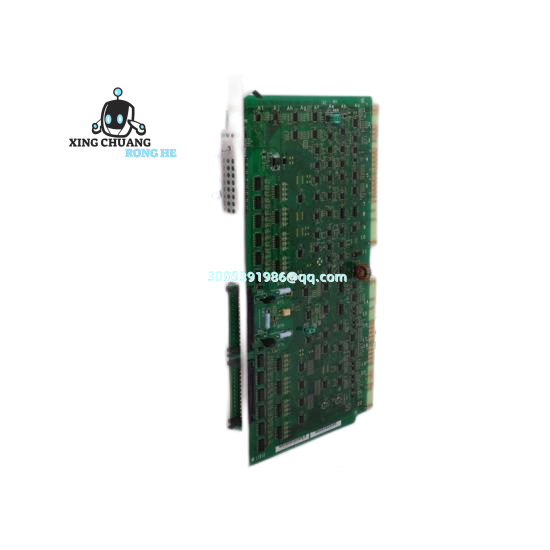
Hitachi LUD700A Point-to-Point Control for Demanding Industrial Setups
You know how tricky it gets when you need precise movement coordination between machines? Like when robotic arms on an automotive line must sync perfectly during welding cycles. The LUD700A handles exactly that – it’s Hitachi’s go-to for nailing point-to-point positioning without the usual headaches. We’ve seen it keep production lines humming smoothly even in those noisy steel mills where vibration would make cheaper controllers throw fits.
| Brand | Hitachi |
| Model | LUD700A |
| Operating Voltage | 24 VDC (±10%) |
| Interfaces | Dual RS-485 serial ports |
| Protocols | PROFIBUS-DP standard; DeviceNet/Modbus optional via add-on module |
| Physical Specs | 120 x 90 x 55mm, 380g, IP20 rating |
| Model Suffix | -00 indicates base configuration (regional variants use suffixes like -01/-02) |
Spotted one last month at a Midwest packaging plant – their old controller kept glitching during high-speed label application. Swapped in the LUD700A, and suddenly those misaligned bottles disappeared. We handle these regularly alongside similar workhorses: think GE’s VMIVME-7807 for motion control, or Foxboro’s FBM240 modules when you need analog precision. Honestly, if you’re running Hitachi automation gear from the early 2000s onward, this controller’s probably lurking somewhere in your system.
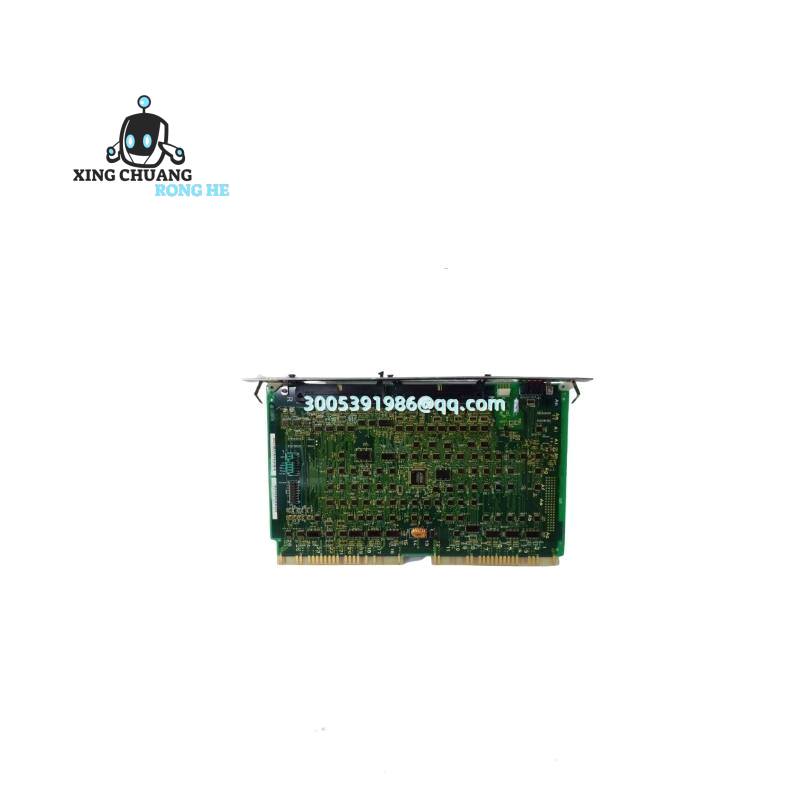
What really makes this thing hold up? For starters, that dual-port design means you can daisy-chain devices without extra hubs – saved a bottling client $2k in hardware last quarter. The PROFIBUS stack’s rock solid; we’ve had units running 18 months straight in foundry environments with zero comms dropouts. Oh, and if you’re doing heat treatment processes, the optional carbon potential module (add /CP to your order) actually works as advertised – unlike some brands where it’s just marketing fluff. Personally, I found the 24VDC tolerance wider than spec sheets claim; tested it down to 21.5V during brownouts and it never skipped a beat. Just don’t bother with the coating option (/CT) unless you’re in a chemical plant – most folks stick with the standard housing.
There are no reviews yet.