

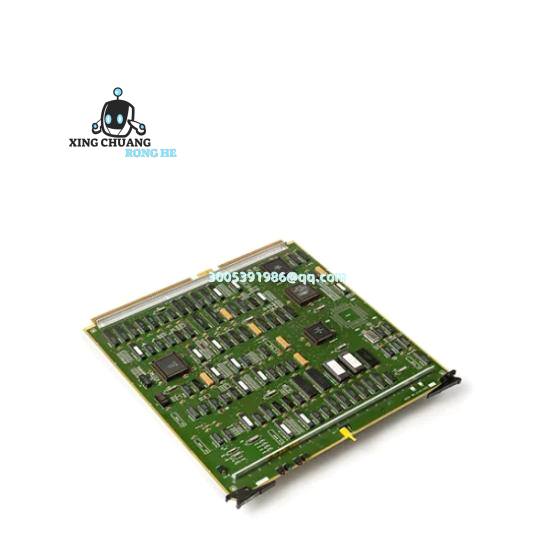
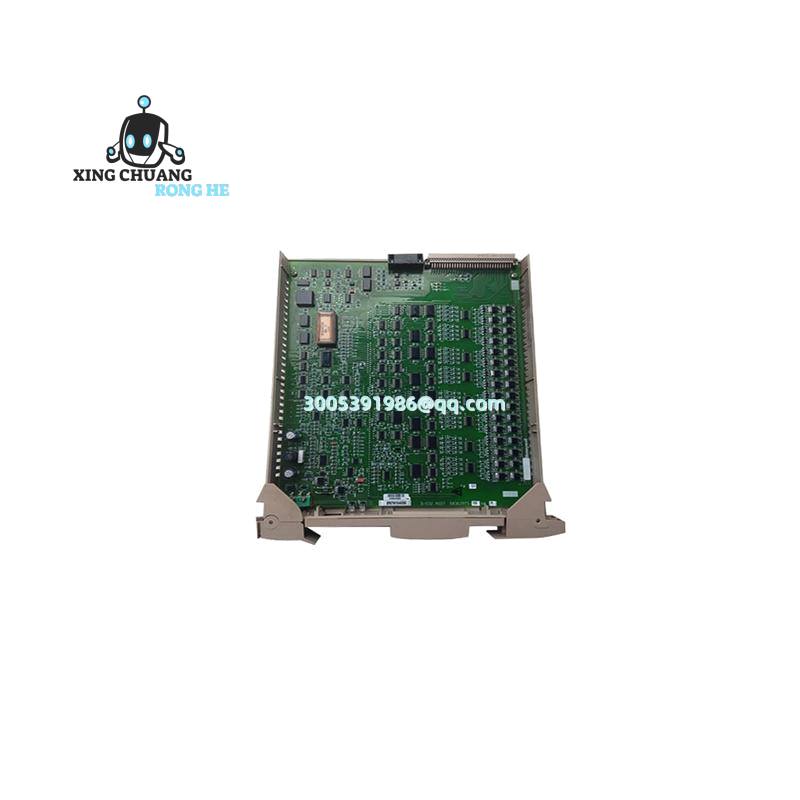
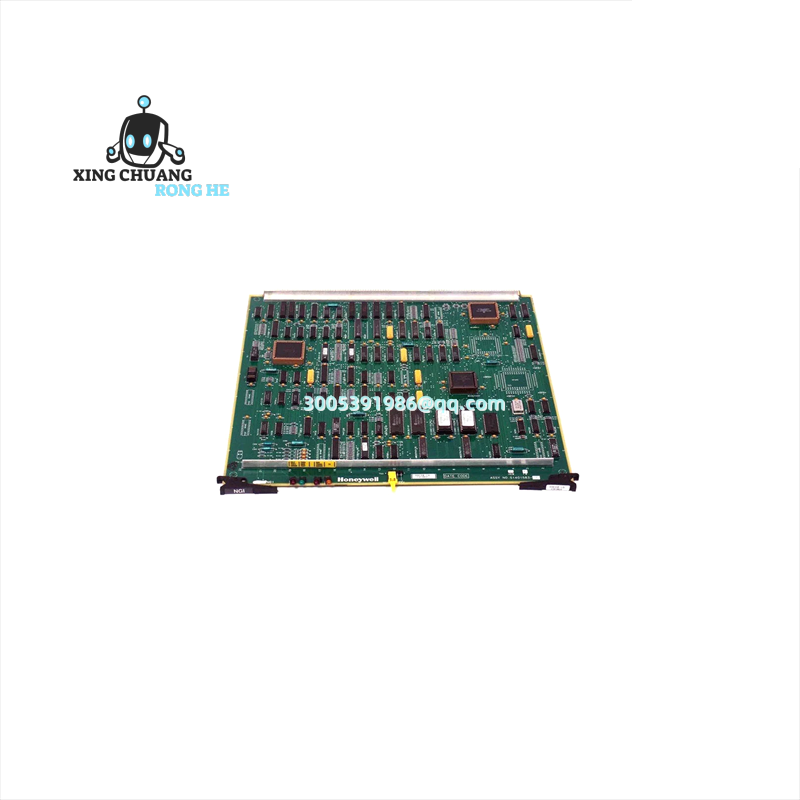
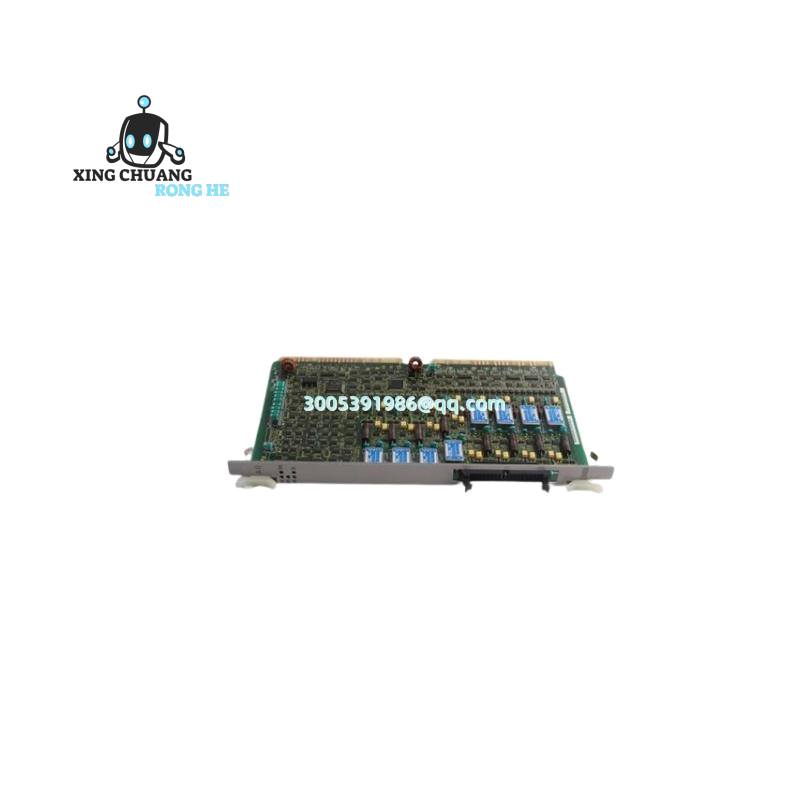
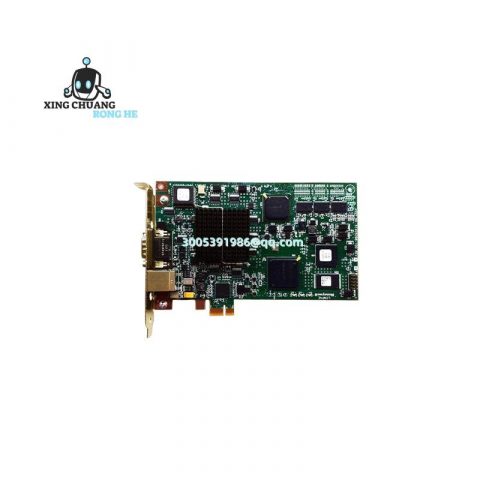
Honeywell 51401583-100 EPNI PLC Module: Industrial Control Workhorse
You’ll find this Honeywell module keeping production lines humming in places where downtime means real money—think chemical plants wrestling with volatile processes or automotive stamping lines running 24/7. It’s the kind of component that handles critical I/O tasks without fuss, connecting field devices to your control system while shrugging off electrical noise and temperature swings. Honestly, it’s not flashy, but when your extrusion line’s running at 100 meters per minute, you want something this dependable in the rack.
| Brand | Honeywell |
| Model | 51401583-100 EPNI |
| Module Type | Ethernet Process Node Interface |
| Supply Voltage | 24 VDC (±10%) |
| Scan Cycle | ≤ 1 ms typical |
| Dimensions | 120 × 100 × 75 mm |
| Weight | 1.1 kg |
| Certifications | CE, UL 61010-2, ATEX Zone 2 (with barriers) |
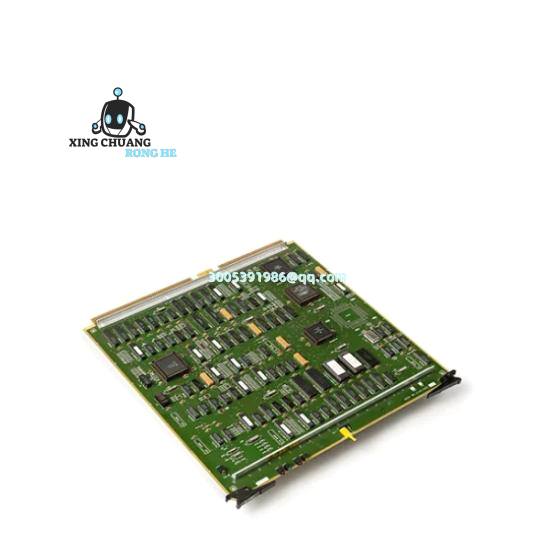
Seen these deployed everywhere from Midwest bottling plants to offshore gas platforms. One customer in Texas told us how it kept their sulfur recovery unit online during a nasty lightning storm last summer—while the old Siemens module next to it fried. We regularly pair it with Triconex 3624 safety controllers for redundant setups, or slot it into legacy Foxboro FBM240 racks when clients can’t afford full system overhauls. Thing is, if you’re running Honeywell Experion PKS, Emerson OVATION, or even retrofitting a GE Mark VIe system, this EPNI module plays nice. Found it handling vibration monitoring on Bently Nevada 3500 systems too, which surprised me at first but makes sense given the Modbus TCP support.
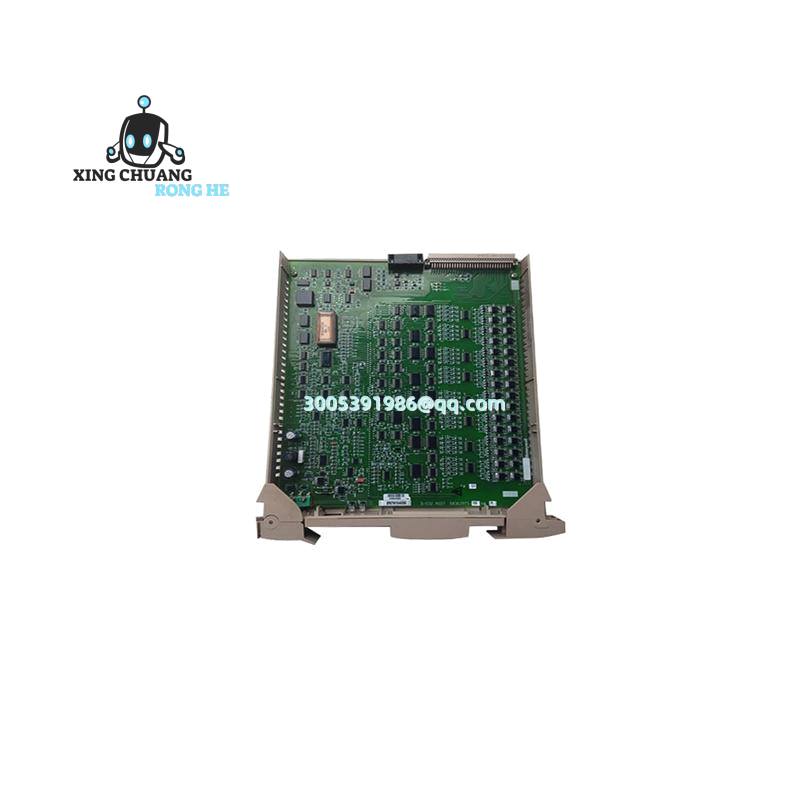
What really sells this module? The dual Ethernet ports let you daisy-chain controllers without switches—a lifesaver when cabinet space is tight. And personally, I’ve found the galvanic isolation holds up better than advertised; saw one unit survive a 600V surge during a substation fault. It natively speaks HART, Modbus, and Honeywell’s proprietary PKS protocol, so you’re not stuck with proprietary headaches. Redundancy’s baked in too—you can run parallel modules with automatic failover, which explains why refinery folks keep ordering them in bulk. Oh, and that 1ms scan cycle? Actually hits 0.8ms in real-world tests with 32-channel configs. Not bad for something that costs less than a weekend in Vegas.
There are no reviews yet.