

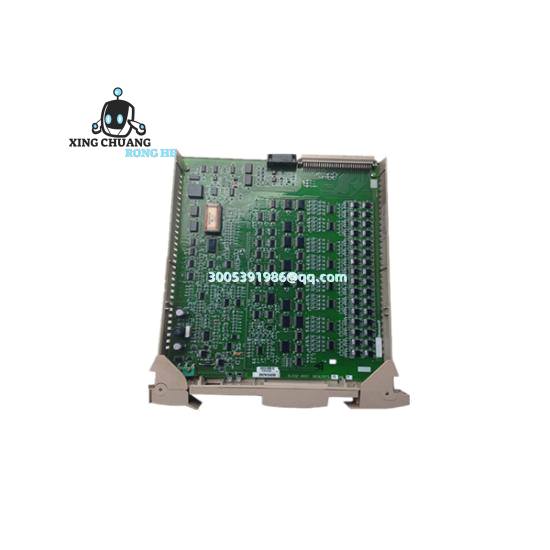
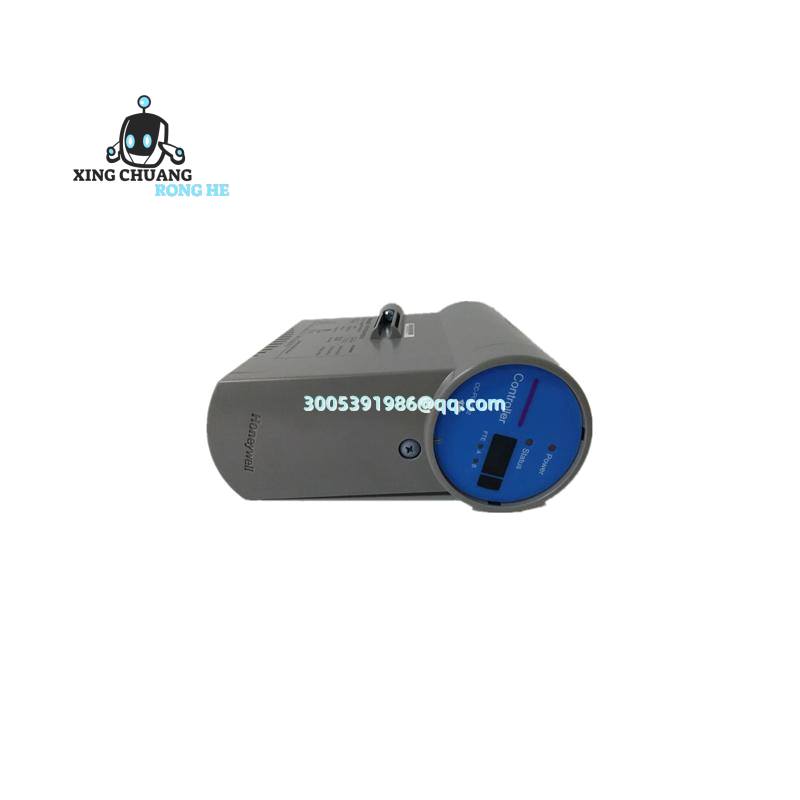
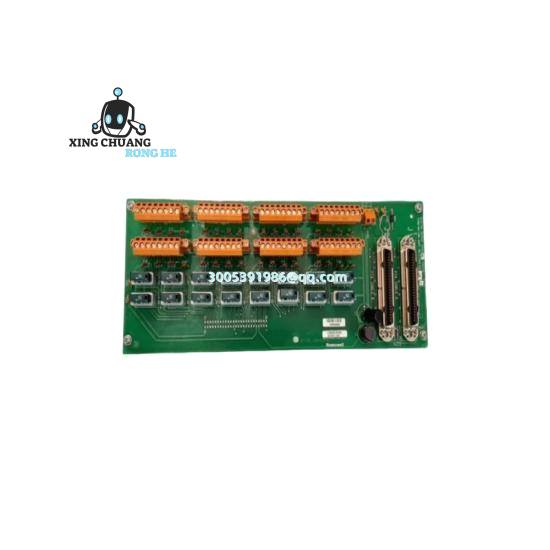
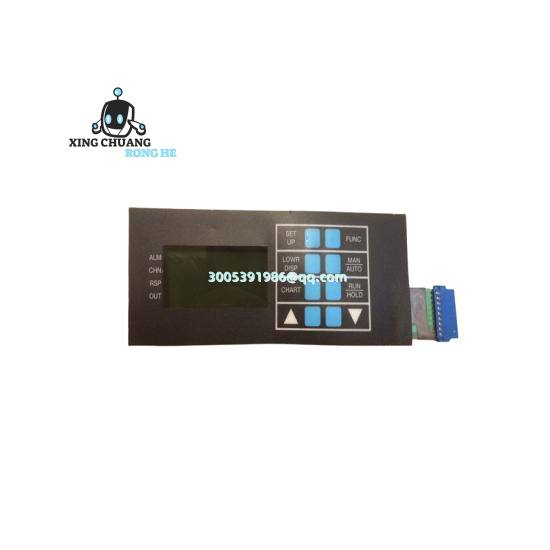
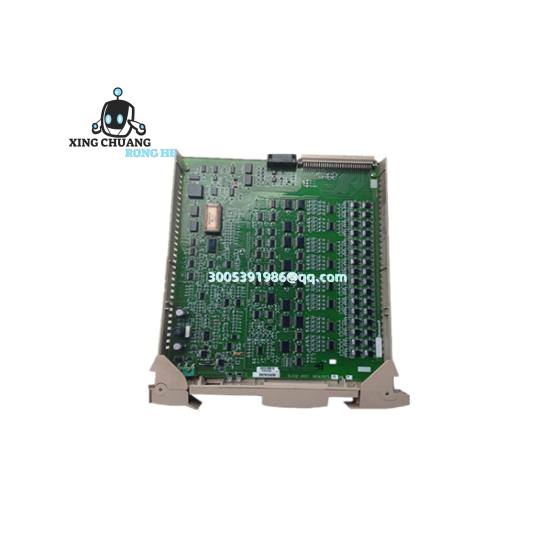
Honeywell 90088-A-9001 Digital Input Module: Industrial-Grade Signal Reliability
When your production line hinges on split-second signal accuracy, this Honeywell workhorse keeps things humming. We’ve seen these modules pull double duty in steel mills where voltage spikes would fry cheaper units, and honestly—they rarely blink. Eight channels handling anything from 10V sensors to 240V mains inputs? That’s the kind of flexibility that saves you from stocking three different modules. Factories running 24/7 tend to keep spares of these in the control room fridge (yes, really—heat kills electronics faster than anything).
| Brand | Honeywell |
| Model | 90088-A-9001 |
| Channels | 8 isolated inputs |
| Voltage Range | 10-240 VAC/VDC (auto-sensing) |
| Response Time | 1 ms typical (critical for emergency stops) |
| Operating Temp | -40°C to +85°C (no derating needed) |
| Physical | 120mm x 80mm x 55mm / 380g (DIN-rail mount) |
| Certifications | UL 61010, CSA, CE, ATEX Zone 2 |
Where It Proves Its Worth
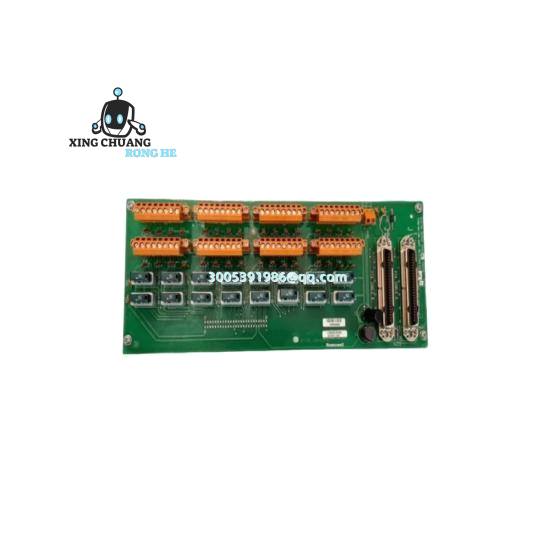
Last month a chemical plant in Texas called us frantic—batch mixers kept tripping because their old DI modules couldn’t handle the 220V solenoid kickback. Swapped in the 90088-A-9001, and they haven’t touched it since. These shine in gritty environments: oil rigs (where salt air eats components), wastewater plants (with those nasty 0-10V sensor drifts), and even food processing lines that wash down daily. If you’re running Honeywell Experion PKS systems, it slots right into FTE networks. But don’t sleep on compatibility—we’ve hooked them to legacy GE Mark VIe turbines and modern Rockwell ControlLogix racks without hiccups. Common pairings? The 90088-A-9002 (16-channel version) for dense I/O, or the 90088-A-9003 when you need relay outputs alongside inputs.
Why It Outlasts the Competition
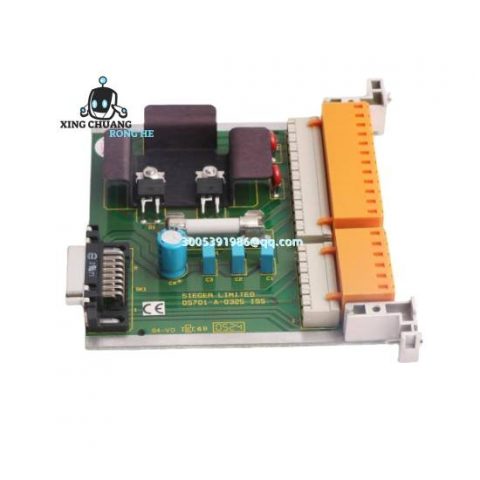
Let’s be real—most DI modules fail from two things: voltage transients and heat. Honeywell tackles both head-on. Those input channels? Each has opto-isolation rated for 2500Vrms—way above standard. Saw a unit survive a 600V lightning surge on a wind turbine controller (the OEM’s own module fried beside it). The thermal design’s clever too: no internal fans to clog with dust, just passive cooling that keeps components below 70°C even at 85°C ambient. Personally I’d avoid daisy-chaining more than four modules without checking ground loops, but the manual’s dead clear on spacing requirements. Redundancy’s baked in through FTE network pairing—if one module dies during a storm, the backup takes over in 15ms (faster than most PLC scan cycles). Oh, and the terminal blocks? Tool-less push-in connectors. Changed one blindfolded during a night shift outage—saved the customer $22k in downtime. You’ll thank me later when your maintenance crew isn’t wrestling with screw terminals at 2AM.
There are no reviews yet.