

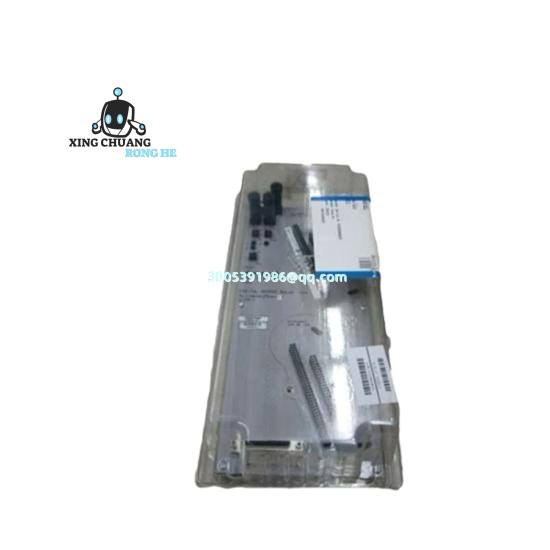
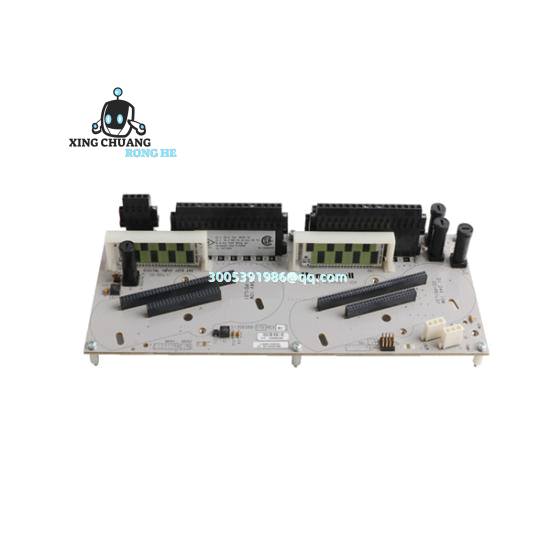
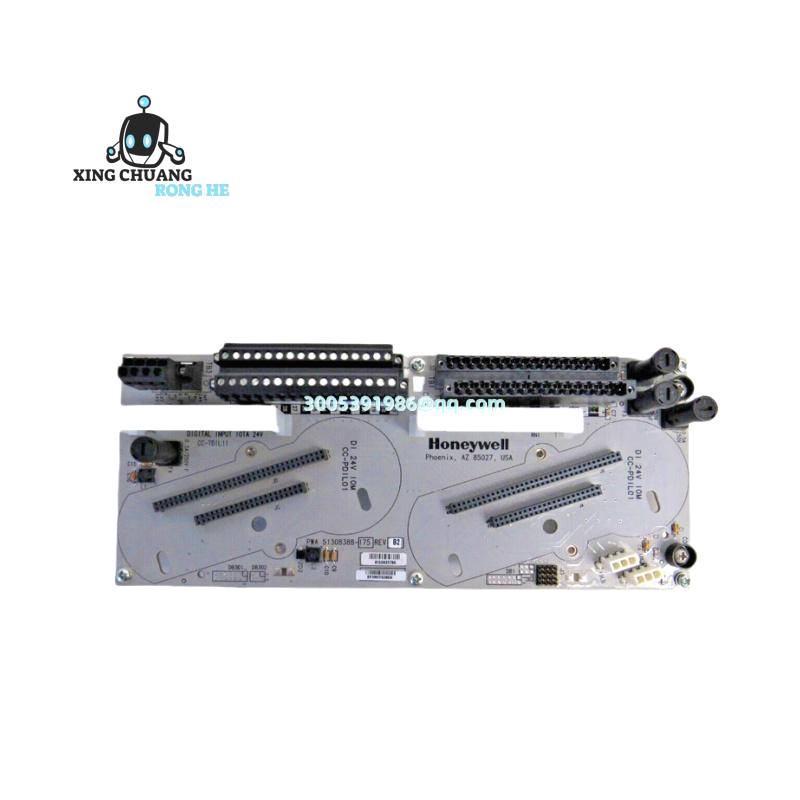
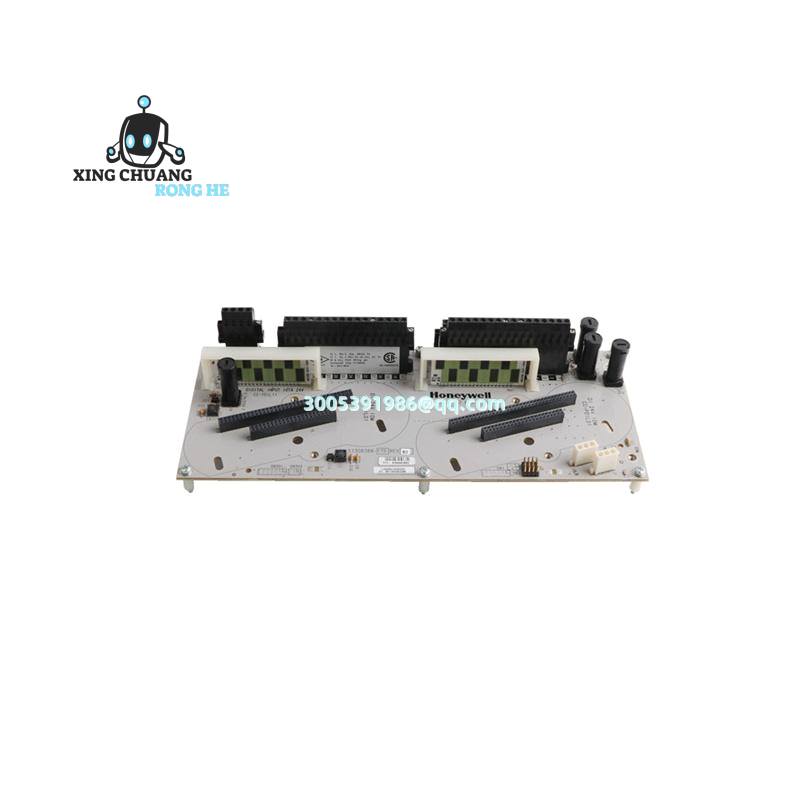
Honeywell CC-TDIL11 Industrial Data Processor: Steady Performance Where It Counts
The Honeywell CC-TDIL11 Industrial Data Processor handles real-time monitoring and control tasks across demanding industrial settings—think oil refineries wrestling with volatile feedstocks or power plants balancing grid loads. It’s not some flashy gadget; it’s the workhorse that keeps processes humming when downtime means six-figure hourly losses. You’ll find these units buried deep in control rooms managing everything from turbine synchronization to batch reactor sequencing, quietly crunching sensor data without breaking a sweat.
| Brand | Honeywell |
| Model | CC-TDIL11 |
| Voltage | 220V AC ±10% |
| Output Frequency | 50 kHz (adjustable to 100 kHz) |
| Dimensions | 482 × 88 × 300 mm (19″ rack-mount) |
| Weight | 4.2 kg |
| Operating Temp | -10°C to 60°C |
| Certification | IEC 61131-2, CE, ATEX Zone 2 |
Saw one installed last month at a Louisiana chemical plant where they were feeding real-time corrosion data into their safety shutdown system—no room for error when handling hydrofluoric acid. We regularly pair these with Honeywell’s CC-TCIL12 I/O modules or retrofit them into aging Foxboro FCP270 cabinets when budget constraints hit. Truth be told, the CC-TDIL11 plays surprisingly well with older Triconex 3008 systems too; had a client in Alberta squeeze three extra years out of their 2009 DCS by swapping in these processors. For water treatment facilities, we often bundle them with Bently Nevada 3500 vibration monitors when pump reliability becomes critical.
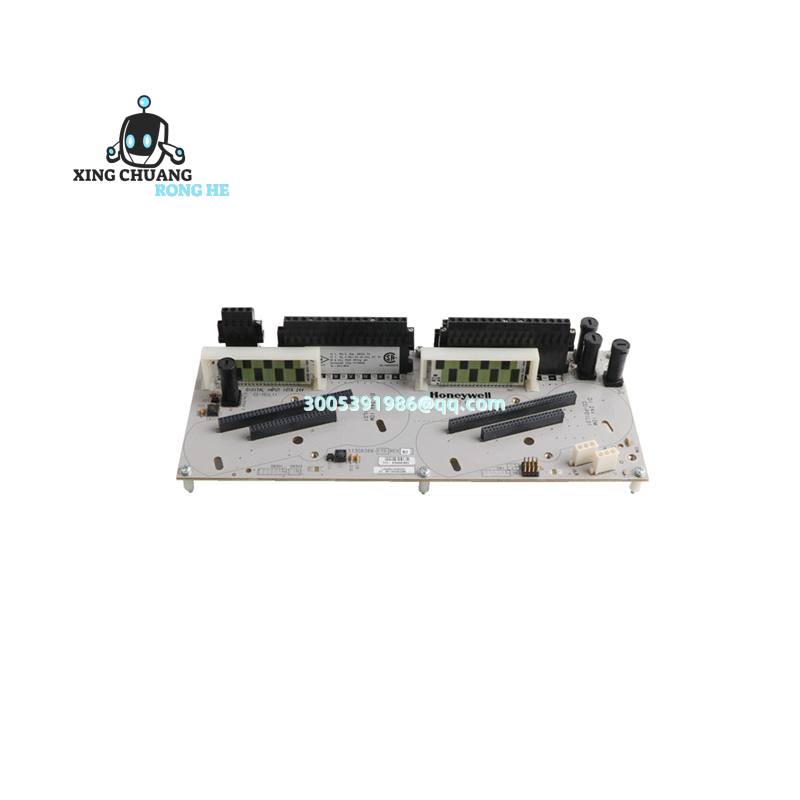
Redundancy isn’t just a buzzword here—the dual power inputs mean a single blown fuse won’t crash your entire line. Personally, I’ve seen this unit hold up through three Texas summers in a petrochemical plant where ambient temps regularly hit 52°C. The Experion PKS compatibility saves headaches during migrations, and that 50kHz output handles high-speed valve adjustments most competitors fumble. Field techs appreciate the tool-less front panel access for quick memory swaps, though you’ll want to budget extra time if customizing firmware (last time I helped a steel mill tweak their analog scaling, took two days to debug legacy Modbus mappings). Not the prettiest box on the rack, but when your production line’s breathing down your neck? This thing just works.

There are no reviews yet.