

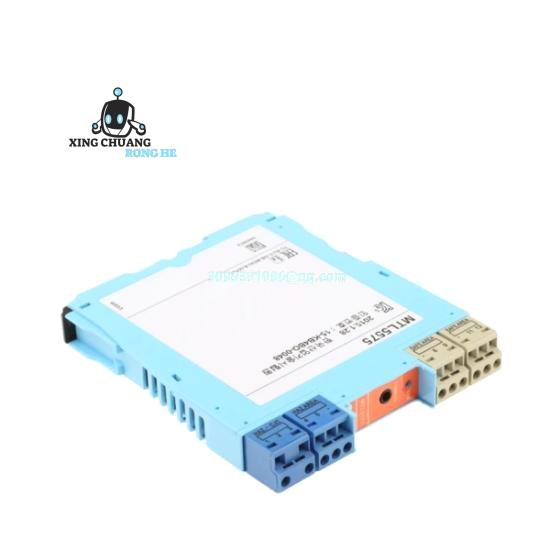
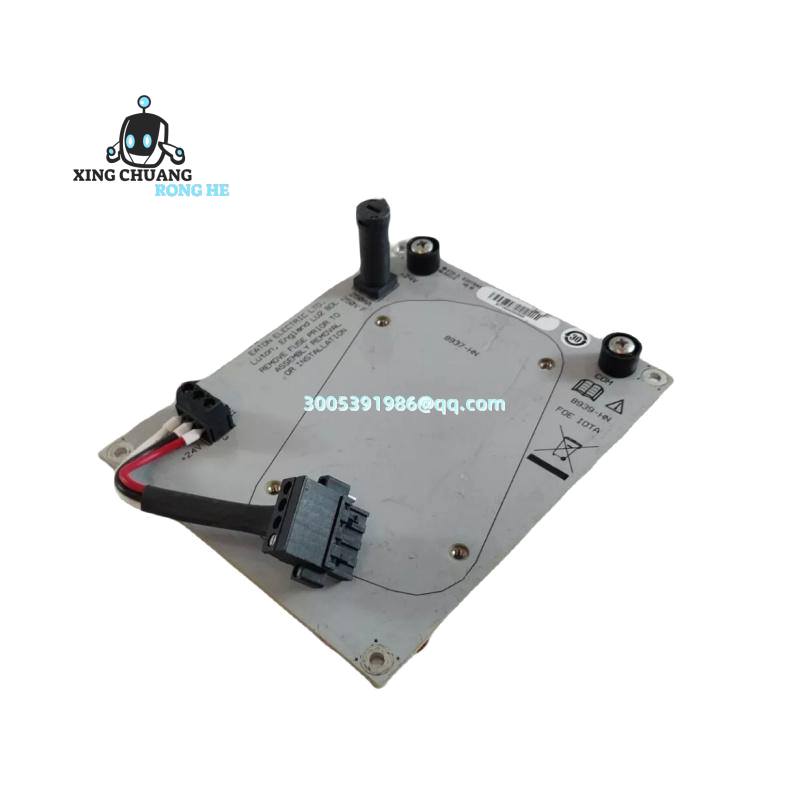
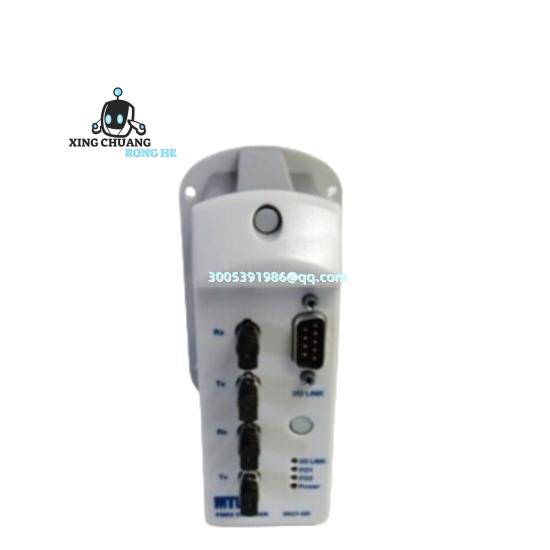
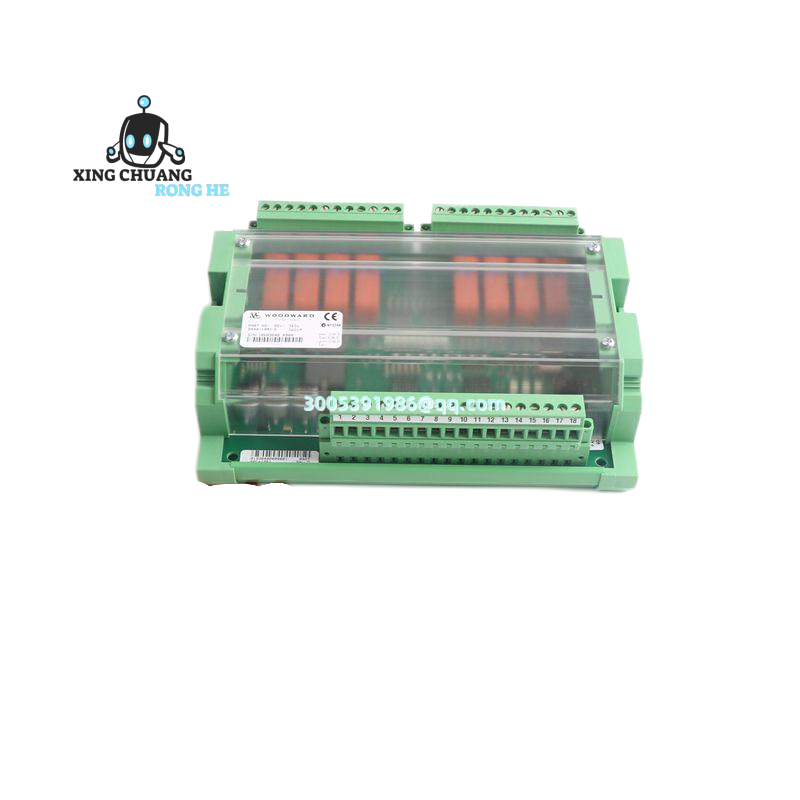
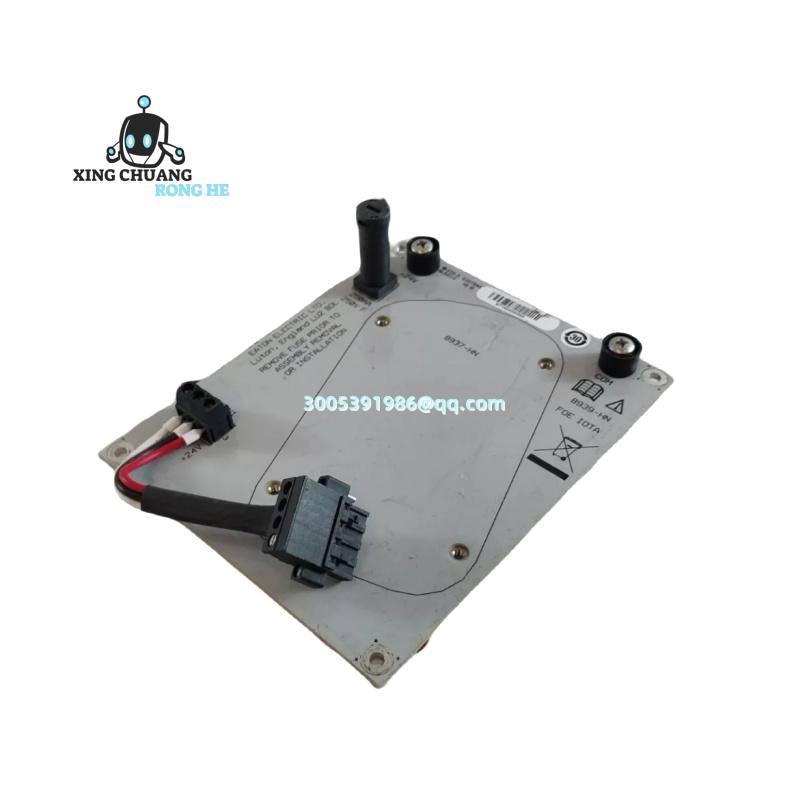
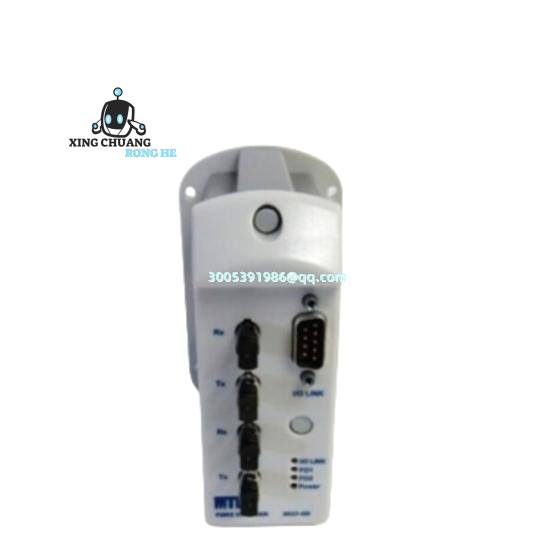
Honeywell MTL 8939-HN Fiber Optic Extender: Power and Signal in One Tough Package
If you’re running industrial networks in places like steel mills or offshore platforms where cables get fried by EMI or distances stretch too far, this Honeywell module solves real headaches. It handles both power delivery and signal conversion over fiber—no extra boxes needed—so you get clean data transmission even when your control room’s half a mile from the pump station. Honestly, it’s saved more than a few projects from rewiring nightmares.
| Brand | Honeywell |
| Model | MTL 8939-HN |
| Dimensions | 120 x 90 x 40 mm (approx.) |
| Weight | 0.5 kg |
| Power Input | 12-24V DC (wide range handles unstable plant power) |
| Data Rate | 155 Mbps (solid for Modbus/TCP or Profibus) |
| Operating Temp | -40°C to +85°C (won’t flinch in blast furnaces or Arctic sites) |
| Protection | IP67 (dustproof and waterproof—hosedowns won’t kill it) |
We see these in tricky spots daily—like chemical plants where copper cables pick up interference from big motors, or wind farms strung across hillsides. A refinery client last month used it to link turbine sensors to the control room over 2km without repeaters. They’d been fighting noise issues for months with RS-485 alone. For similar headaches, check out our Foxboro FBM230s for analog signal isolation or GE’s VMIVME-7807 for legacy VMEbus systems. Triconex 3511 modules also pair well if you need triple-redundant comms.
Why It Holds Up Where Others Fail
The magic’s in how it converts RS-485/422 signals to light without extra power bricks—cuts down failure points. Personally, I’ve found the dual 24V inputs lifesavers during brownouts; one supply dips, the other takes over seamlessly. It talks nicely with Honeywell’s Experion systems but also plays fair with Allen Bradley PLCs or Siemens drives via standard protocols. No fancy “smart” features that crash—just dumb-reliable fiber conversion that’s been field-tested since the early 2000s. Oh, and that IP67 rating? Actually matters when maintenance crews blast cabinets with compressed air. One cement plant user told me theirs survived three years under a conveyor belt spewing dust—still humming along.
There are no reviews yet.