

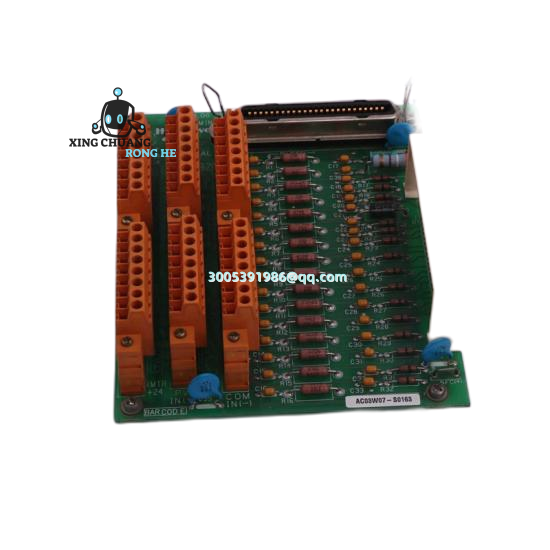
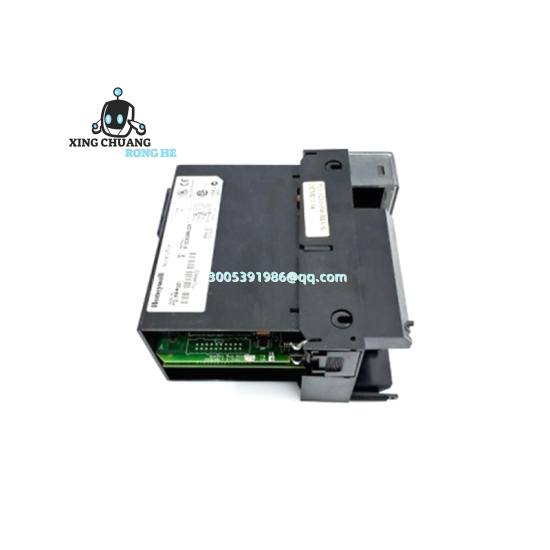
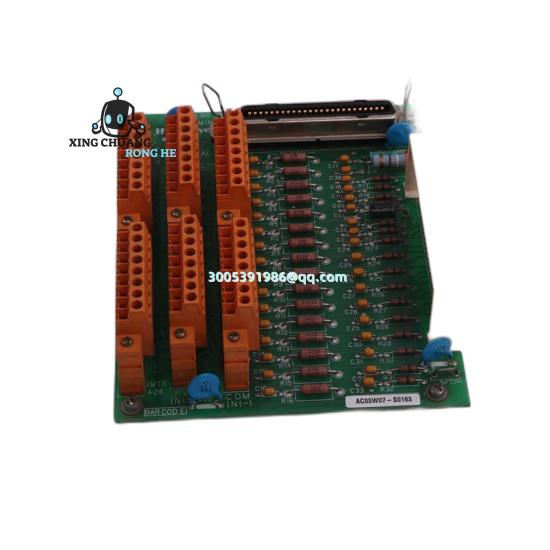
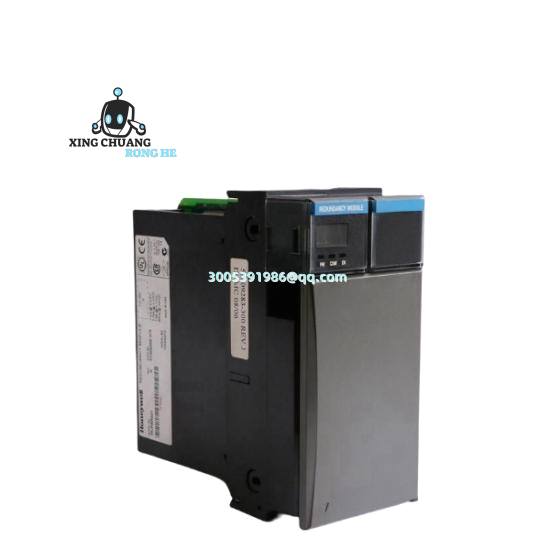
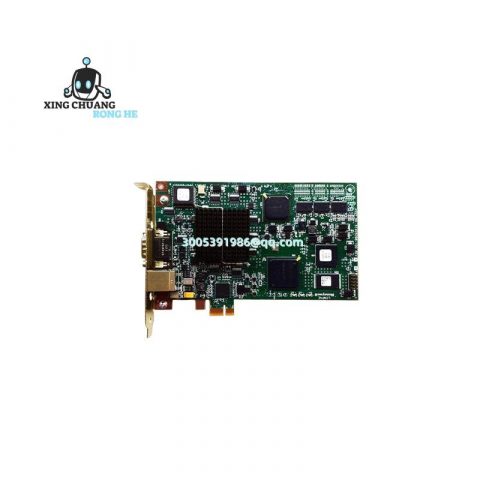
HONEYWELL TC-PRR021 Redundancy Module: Your Safety Net for Critical Operations
When that midnight alarm blares during a production run, you need more than just backup—you need seamless handoff without a hiccup. The TC-PRR021 isn’t just another redundancy card; it’s what keeps your assembly line humming while competitors scramble after primary unit failures. Factories running continuous processes swear by this thing—pharma batch ops, oil refineries, anywhere a 30-second outage costs five figures.
| Brand | Honeywell |
| Exact Model | TC-PRR021 (51309288-225) |
| Physical Profile | 120mm x 80mm x 35mm – fits tight DIN rails without blocking adjacent slots |
| Weight | 0.46 kg (light enough that vibration won’t loosen mounting) |
| Certifications | CE, UL, CSA – passes muster in EU plants and North American refineries |
Where You’ll Actually Use This Thing
Saw one installed last month at a Midwest chemical plant—they’d been nursing ancient controllers until a reactor temp spike fried their main card. TC-PRR021 kicked in before operators even noticed, avoiding a $200k cleanup. We move these daily for Experion PKS systems, but they’re lifesavers for legacy C300 setups too. If you’re running Honeywell’s FMS, TPS, or even some older SM plants, this module plays nice. Oh, and we’ve got spares for companion gear like the FCP270, FBM204, and IS215UCVEH2A—just don’t wait till your primary fails to source replacements.
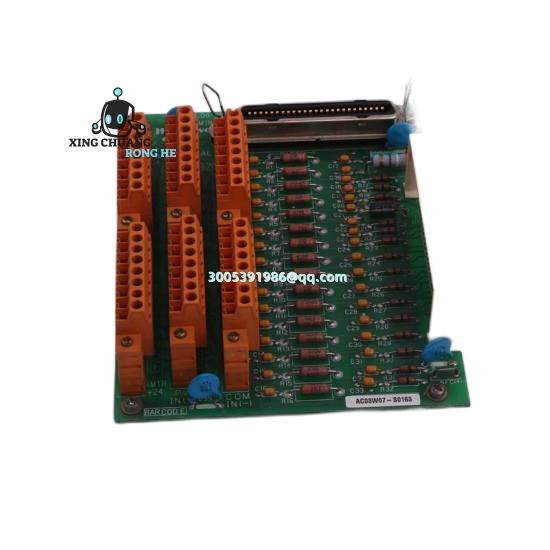
Truth is, most redundancy modules feel like overkill until you’re knee-deep in a shutdown. But this one’s different—Honeywell baked in actual field smarts. The handoff isn’t just fast (sub-50ms), it’s silent. No relay clicks, no PLC faults tripping alarms. I’ve seen plants run it for 18 months straight without a single failover event, which honestly? Makes you forget it’s there—which is exactly how redundancy should work.
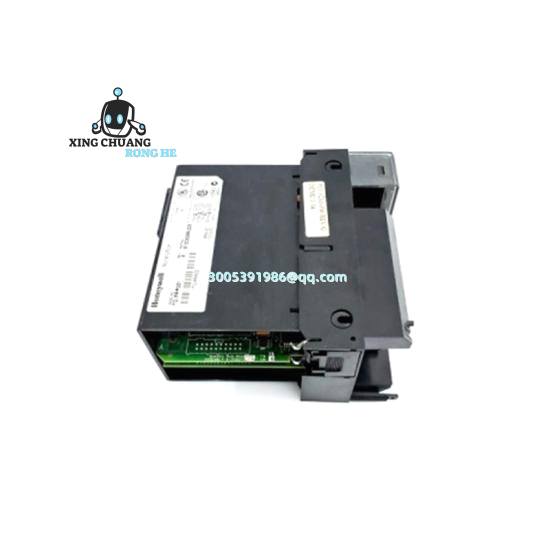
Why It Won’t Let You Down
That aluminum housing isn’t just for looks—it sheds heat like a champ during summer brownouts. And forget about firmware headaches; it auto-syncs with Experion controllers without needing a specialist onsite. Personally, I found the terminal blocks way more robust than Foxboro’s FBM230 equivalents—those tiny screws loosen after vibration, but Honeywell’s spring clamps hold tight through compressor startups. Oh, and the real kicker? It works with 24VDC or 110VAC power rails. One Midwest paper mill I know runs it off their emergency bus during grid failures. Redundancy within redundancy, basically. Just don’t try slapping it into a Triconex rack—stick to Honeywell’s ecosystem where it actually belongs.
There are no reviews yet.