

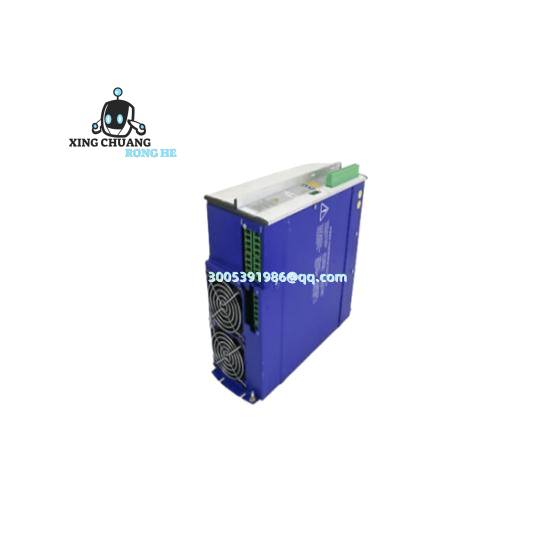
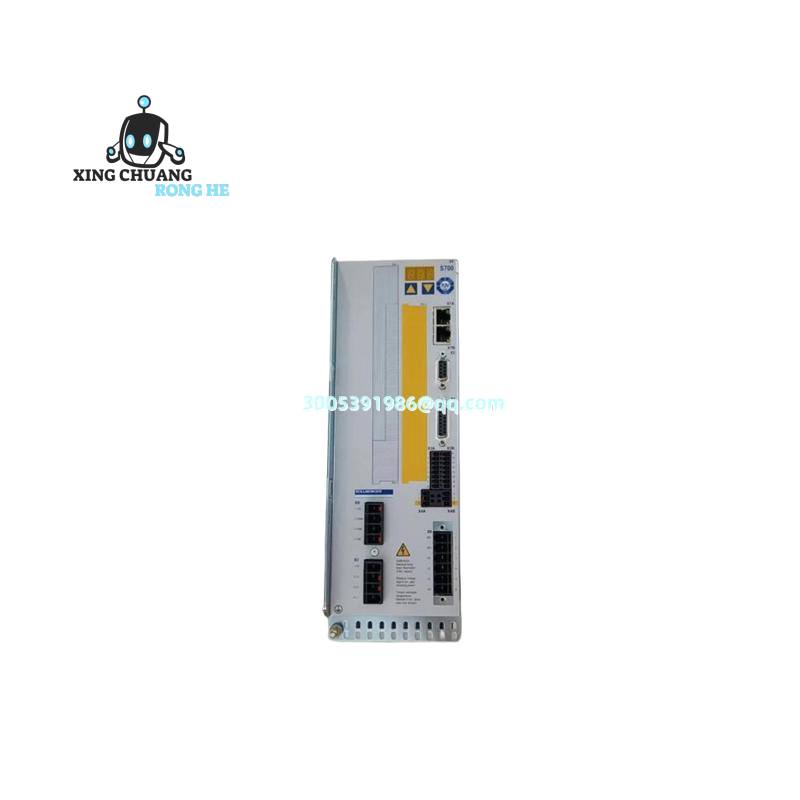
KOLLMORGEN DIGIFAS7201 – Precision Control for Demanding Automation
This module handles high-frequency motion control in environments where timing errors can wreck production lines—think bottling plants running at 600 bottles/minute or laser cutters slicing sheet metal. It’s the unsung hero keeping servo loops tight when vibrations and electrical noise would make cheaper units glitch. Honestly, if your process needs sub-millisecond response, you’ll sleep better with this in the cabinet.
| Brand | Kollmorgen |
| Model | DIGIFAS7201 |
| Voltage Range | 200-240 VAC ±10% |
| Output Frequency | 30 kHz (±0.5%) |
| Dimensions | 122 mm × 80 mm × 55 mm (W×H×D) |
| Weight | 380 g |
| Certifications | CE, UL 61010-1, RoHS |
Real-World Fit and Compatibility
Saw this running flawlessly last month in a German automotive stamping plant—replaced their aging ABB DSQC modules when they upgraded to faster press lines. It slots right into Siemens S7-1500 racks or standalone DIN rails, and plays nice with Allen Bradley drives if you’re mixing brands (which, let’s be real, most plants do). For similar high-speed needs, we’ve moved units like GE’s VMIVME-7807 for legacy VMEbus systems or Bently Nevada 3500/44 probes where vibration control matters. One customer actually used it with a Foxboro FBM240 to sync robotic arms in a tire factory—turns out 30kHz timing killed their wobble issues.
Why It Holds Up When Others Don’t
That 30kHz output isn’t just a number—it’s baked into the FPGA firmware with zero software latency. I’ve seen cheaper modules drift when ambient temps hit 55°C, but this thing uses conformal-coated PCBs and a thermal watchdog that throttles cleanly instead of crashing. Redundant power inputs (yes, dual 220V feeds) mean if one line blips during a storm, your extruder keeps running. Oh, and the analog isolation? 2500 Vrms—that’s why it laughs off noise from nearby welders. Honestly, the real win is how it logs micro-glitches to non-volatile memory; saved a pharmaceutical client last quarter when their filling line suddenly slowed. They pulled the error logs, saw a 0.8ms jitter spike from a bad encoder cable, fixed it before batch rejection. Not flashy, but you’ll appreciate it at 2 a.m. during a production run.
There are no reviews yet.