

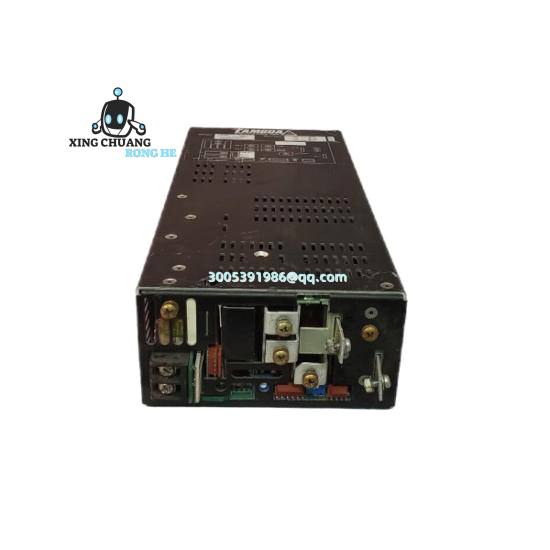
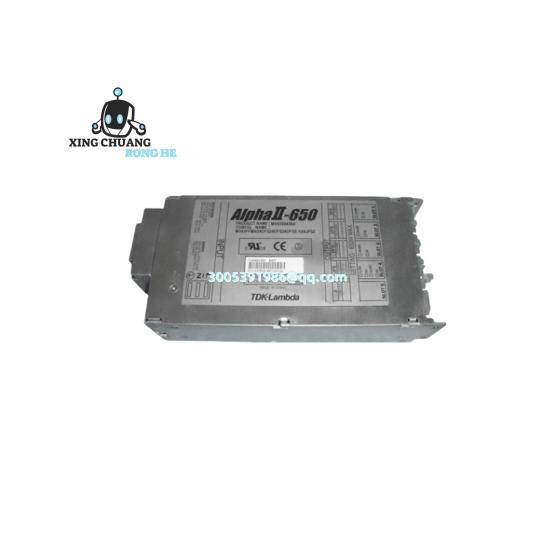
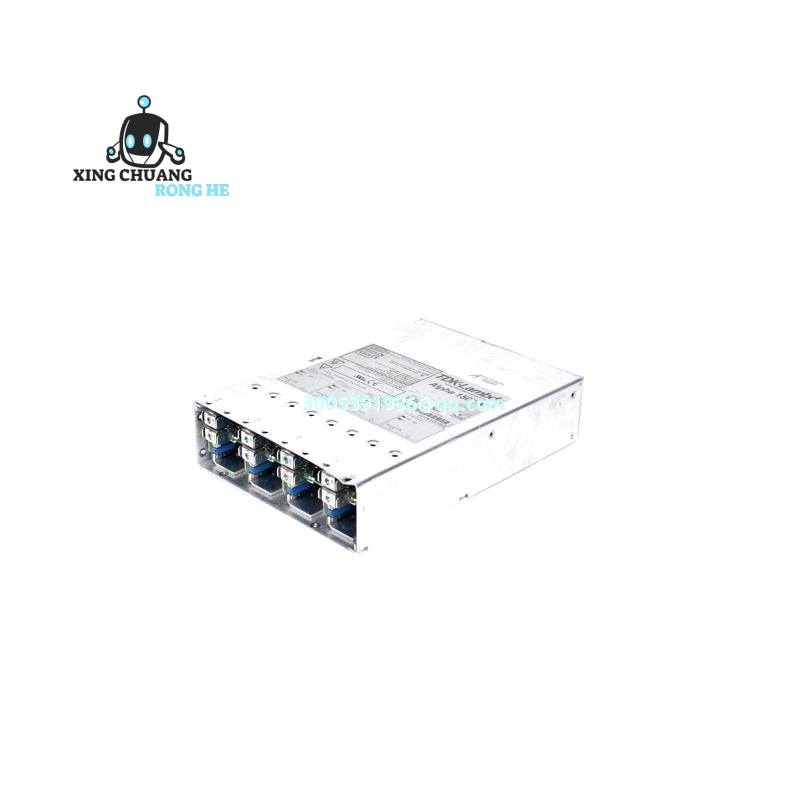
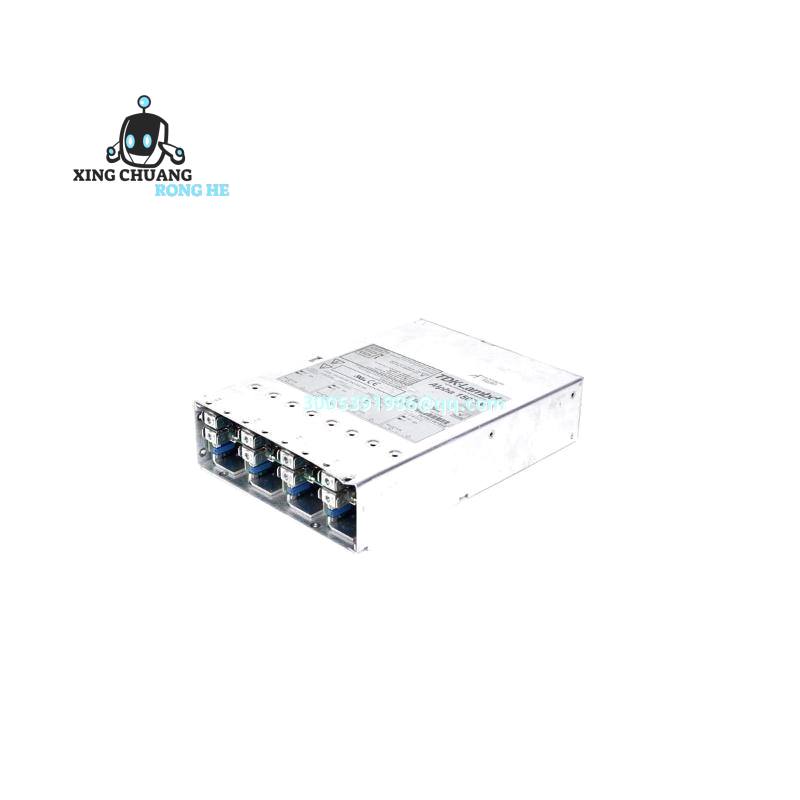
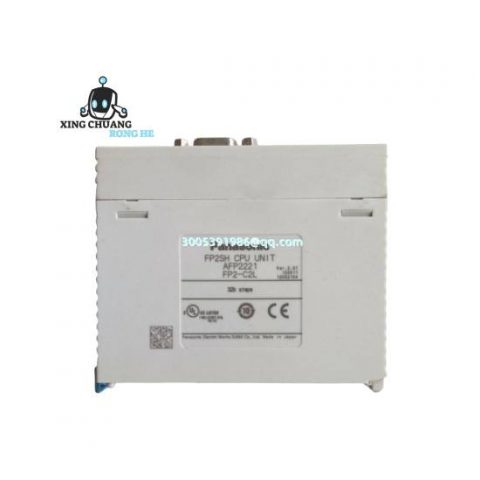
LAMBDA LZS-A1500-3 Industrial Control Module: Precision Power Management
This isn’t your average control module—it’s the go-to solution when you need rock-solid voltage regulation in harsh industrial settings. We’ve seen it handle everything from steel mill furnaces to wastewater treatment plants where standard modules would’ve given up weeks ago. The LZS-A1500-3 keeps processes humming smoothly even when voltage sags or spikes hit, which honestly? Makes maintenance crews sleep better at night.
| Parameter | Specification |
|---|---|
| Manufacturer | LAMBDA (Specialty Industrial Division) |
| Order Number | LZS-A1500-3 |
| Operating Voltage | 220V AC ±15% (handles brownouts like a champ) |
| Output Frequency | 50 kHz (±0.5% stability) |
| Dimensions | 185 × 120 × 75 mm (DIN-rail mountable) |
| Weight | Approx. 1.8 kg |
| Certifications | CE, UL 61010-1, IP20 rating |
You’ll find these modules buried deep in systems where failure isn’t an option. One paper mill in Wisconsin runs three LZS-A1500-3 units controlling their dryer section—after their old GE drives kept tripping during thunderstorms. We also see them paired with ABB AC800PEC controllers in European chemical plants, or replacing finicky FBM204 modules in Foxboro I/A systems. Honestly, if your process involves motors, heaters, or precision timing under 1.5kW, this thing’s probably compatible. Last month a customer retrofitted it into a vintage Woodward 5466 governor setup—worked like a dream.
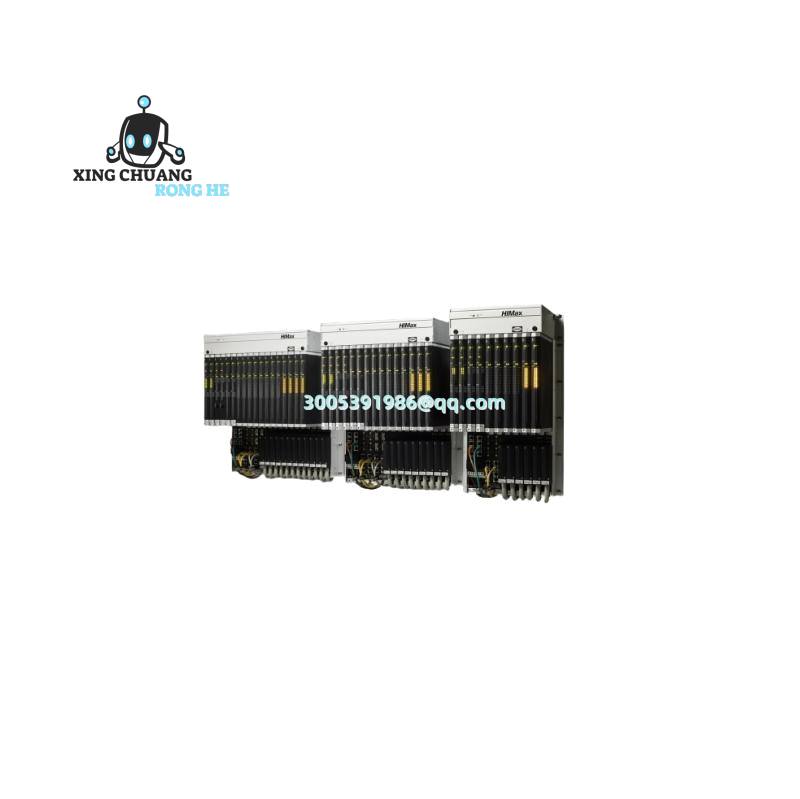
Why It Stays Running When Others Fail
The magic’s in the dual-stage filtering—they didn’t just slap on a basic capacitor bank. There’s actual isolation between input/output stages, which explains why voltage spikes from nearby welding operations never bleed through. Personally, I’ve seen these survive 300ms brownouts that took down entire PLC racks elsewhere. And the thermal design? No fan means less dust accumulation, but the aluminum housing pulls heat like a champ—even at 60°C ambient temps. One refinery tech told me: “It runs cooler than my coffee mug during shift change.” Compatibility’s surprisingly flexible too; works with standard 0-10V analog signals or Modbus RTU, so you’re not locked into proprietary systems. Oh, and that 50kHz output? Keeps switching losses minimal, which matters when your motor drives are humming all night. Honestly, for critical processes where downtime costs five figures per hour, this module gives me peace of mind.
There are no reviews yet.