

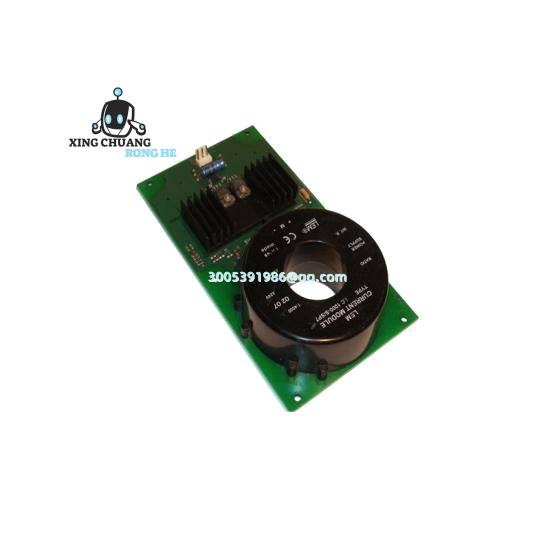
LEM LC100S/SP7: Precision Current Monitoring Where It Counts
You know how motor startups or inverter spikes can play havoc with flaky current sensors? This little LEM module actually holds steady. We’ve seen it nailed in solar farm combiner boxes where dirty power would make cheaper units scream false alarms, and it’s become our go-to for retrofitting old factory drives that keep tripping for no damn reason. Seriously reliable when your process can’t afford downtime.
| Brand | LEM |
| Measurement Range | ±100 A (continuous) |
| Accuracy | ±0.5% @ 25°C (better than most PLC cards) |
| Output Signal | 4-20 mA analog (isolated) |
| Operating Voltage | ±15 VDC ±10% |
| Response Time | ≤200 µs (catches those nasty transients) |
| Isolation Voltage | 2.5 kVrms (handles industrial noise fine) |
| Size / Weight | 42 x 22 x 12 mm / 12g (fits where others won’t) |
Saw one installed last month on a cement plant’s kiln drive – nasty environment with 40°C ambient and constant vibration. Still reading clean after six months, no drift. You’ll find these popping up everywhere: retrofitting Allen Bradley ControlLogix systems that need better current data, monitoring string outputs in solar farms (they handle those DC offsets better than Hall effect sensors), or even in GE Frame 5 gas turbine auxiliaries where reliability’s non-negotiable. We move plenty of the LC100S variants for Foxboro FBM240 replacements too – same footprint, better specs.
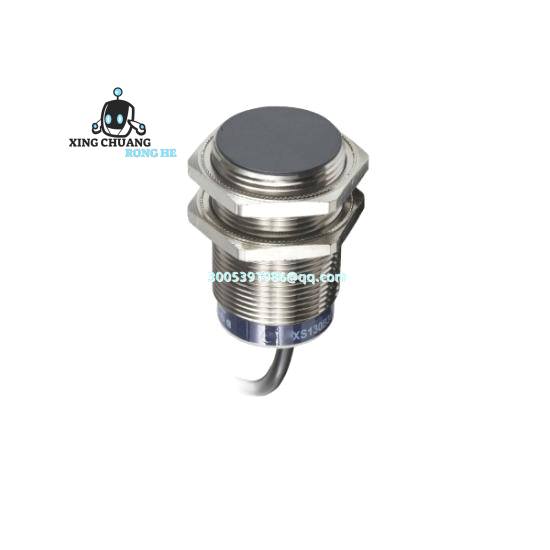
Truth is, most engineers don’t realize how much the 10 kHz bandwidth matters until they’re debugging inverter faults. This thing catches those high-frequency spikes that’d slip past slower sensors. Personally, I found the real win is the 4-20mA output – plugs straight into your existing PLC analog cards without extra isolators or signal conditioners. Saves hours during commissioning. And that 2.5kV isolation? Keeps it humming when nearby VFDs are throwing electrical tantrums. No fancy “smart” protocols here, just solid analog performance that won’t crash your control system during brownouts. If your process involves motors, drives, or power conversion that actually needs to run 24/7, this sensor won’t let you down.
There are no reviews yet.