

LUDLUM 2401-P Radiation Monitor: Real-World Industrial Safety
You know how radiation monitoring can be a headache in refineries or waste handling facilities? The LUDLUM 2401-P cuts through that noise. It’s not some lab toy – this thing lives on the plant floor, catching alpha, beta, and gamma emissions while guys in coveralls do their jobs. We’ve seen it strapped to forklifts in decommissioning sites where even the coffee machine gets checked for hot particles. Honestly, when the shift supervisor stops worrying about false alarms, you know it’s working right.
| Specification | Details |
| Brand | LUDLUM Measurements |
| Measurement Range | 0.01–100 mR/h (dose rate), 0.1–1000 μSv/h |
| Physical Dimensions | 18.5 x 9.5 x 5.5 cm – fits in a tool belt pouch |
| Weight | 680g with battery – not going to break your back |
| Environmental Rating | IP67 (dust/waterproof – survived a hose-down in a uranium plant once) |
| Data Logging | 2000 readings with timestamps – saves arguments during safety audits |
You’ll spot these in nuclear medicine departments where technicians grab them for hot lab checks, or out at LNG terminals during pipeline inspections. One customer in Texas told us how their crew uses it alongside Foxboro FBM203 modules for integrated safety loops – when radiation spikes, it triggers the I/A Series shutdown sequence automatically. We handle the whole ecosystem: from Triconex 3503 safety controllers down to Bently Nevada 3300 probe calibrators. Funny enough, the 2401-P gets paired with GE’s IS215UCVEH2A comms modules more than you’d think – guess reliability breeds trust.
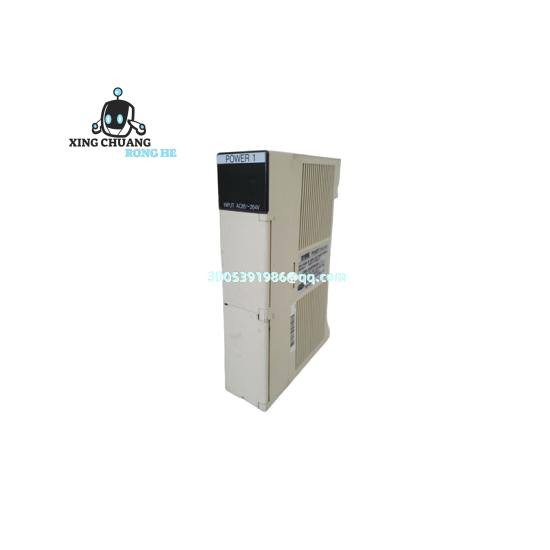
What makes it stick around plants? The dual power setup – pop in a 9V when the AC outlet’s flooded, or run it straight from wall power during long-term monitoring. Personally I’ve seen units last 8+ years with just battery swaps, which is rare in this gear. The RS-232 port’s clunky by today’s standards, but honestly? It never glitches when USB dongles would crap out in humid conditions. And that IP67 rating isn’t just a number – we had one survive being dropped in a sludge tank during a refinery turnaround. Just wipe it down, swap batteries, and it’s back logging data. No fancy “smart” features that break; just gives you the numbers you need when you need them.
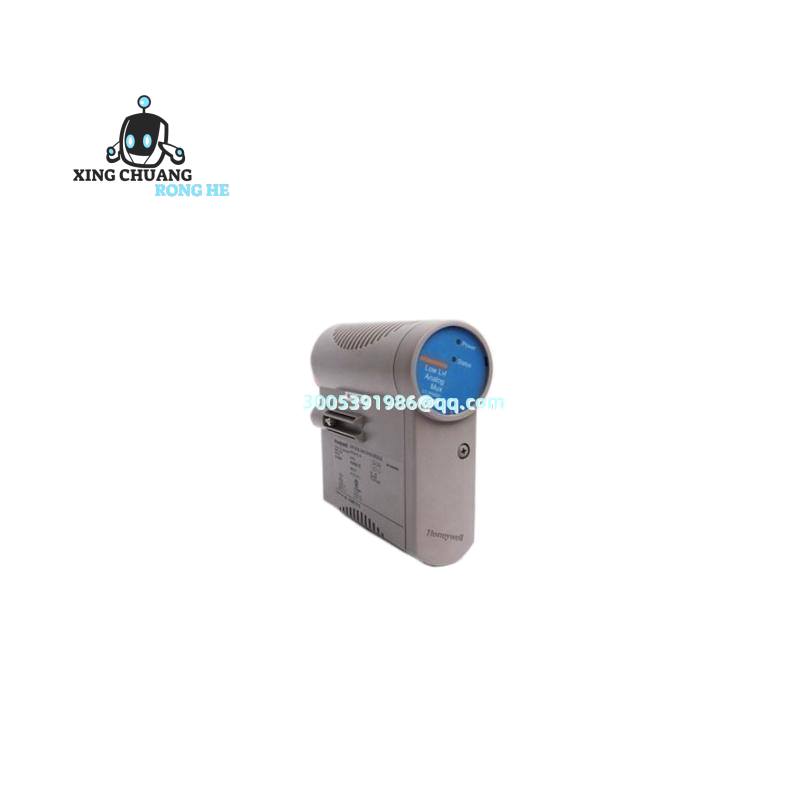
Thing is, radiation safety can’t afford “almost accurate.” That 0.01 mR/h sensitivity catches leaks before they hit action levels – saved a hospital in Ohio from a nasty OSHA fine last year. And yeah, the LCD backlight’s weak in direct sun, but you learn to shade it with your hand. Works with everything from old-school chart recorders to modern SCADA systems through that stubbornly reliable serial port. Kind of like duct tape for radiation monitoring – not pretty, but gets the job done when it counts.
There are no reviews yet.