

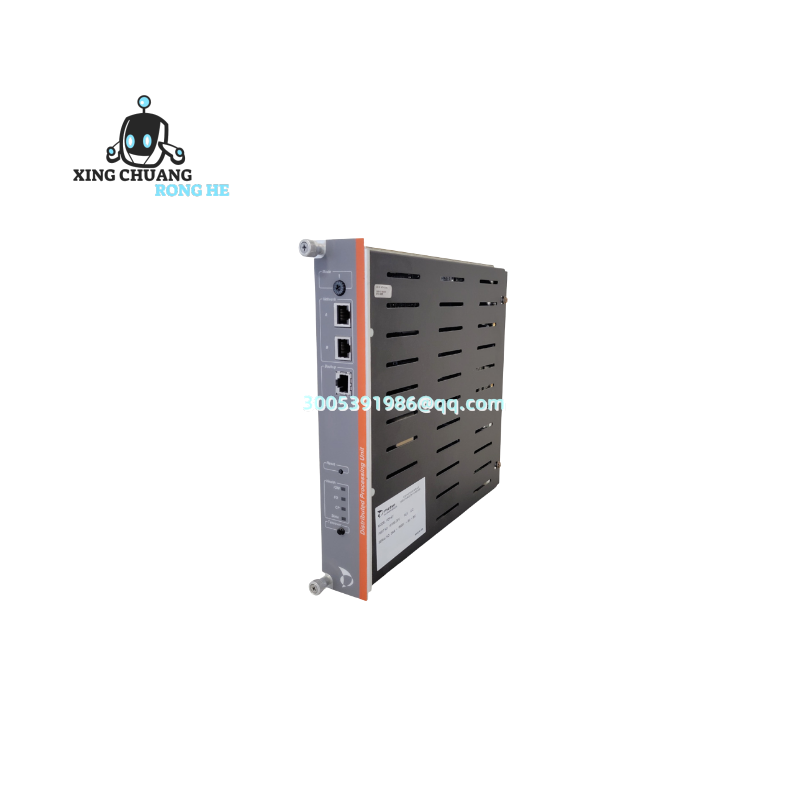
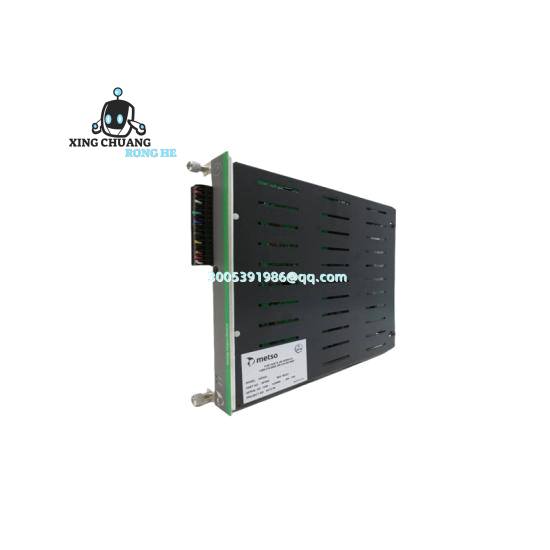
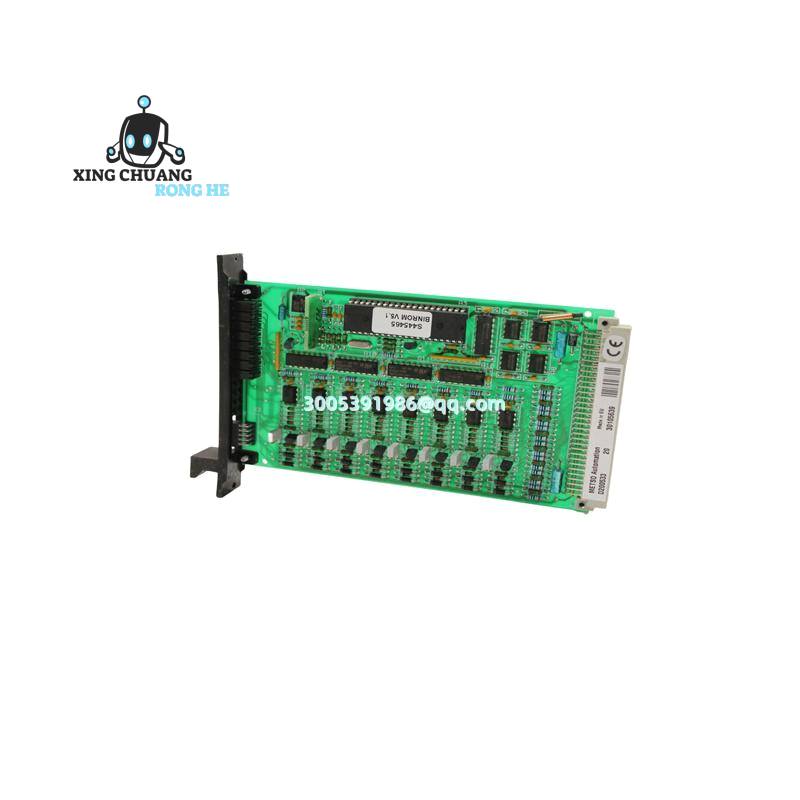
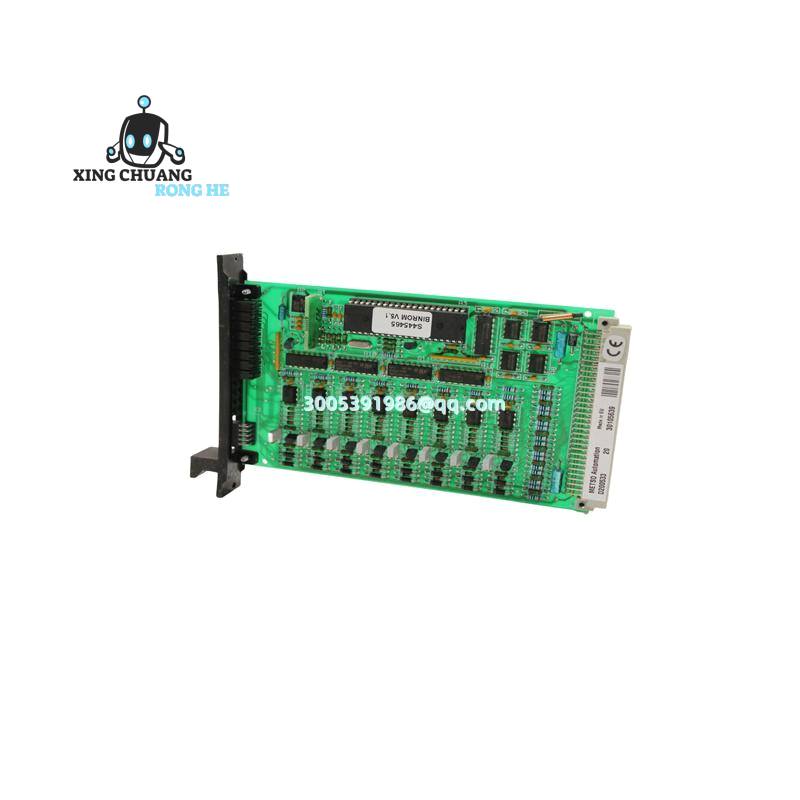
METSO IOP111 Custom Industrial Control Processor
This isn’t some generic off-the-shelf module you’ll find gathering dust on shelves. The METSO IOP111 handles critical signal processing in pulp mills and chemical plants where a dropped input means production halts. Think of it as the nervous system for valve control loops – if your pH sensors or pressure transmitters need reliable interpretation, this unit’s been doing that dirty work for years in Finnish paper mills. Honestly, we’ve seen these survive 15+ years in steamy environments where cheaper alternatives fail by year three.
| Brand | METSO (Metso Outotec legacy) |
| Operating Voltage | 200-240V AC ±10%, 50/60Hz |
| Dimensions | 120mm x 85mm x 145mm (WxDxH) |
| Weight | 1.2 kg |
| Environmental Rating | IP20, -10°C to +55°C operating range |
| Custom Configurable | Yes (I/O mapping, protocol adaptation) |
Where You’ll Actually Find This Working
Walk into any Nordic pulp processing facility and you’ll spot these mounted beside Valmet control cabinets. One plant manager in Wisconsin told us how they kept IOP111s running through three ownership changes – “never had to recalibrate after steam cleaning cycles,” he said. We handle replacements for legacy METSO systems daily: think I/O processor cards in Valmet DNA setups, or as interface modules for older ABB 800xA migrations. Common sister models we see in the field include IOP112 for analog-heavy setups and the ruggedized IOP113 variant for outdoor tank farms.
Why It Still Matters in 2024
Look, it’s not flashy – no touchscreen or cloud connectivity. But that’s the point. The discrete signal processing circuitry avoids the single-point failures you get with modern programmable gate arrays. Personally, I’ve found the galvanic isolation between input banks prevents those nasty ground loop issues in high-voltage mills. It slots right into METSO’s legacy bus systems but we’ve wired them to talk with GE Mark VIe via Modbus TCP adapters when needed. And honestly? The real magic’s in the epoxy potting – seen units pull double duty in sawmill dust clouds where standard DIN-rail modules conk out by lunchtime. Saves maintenance headaches down the line, even if the initial config takes an extra hour.
There are no reviews yet.