

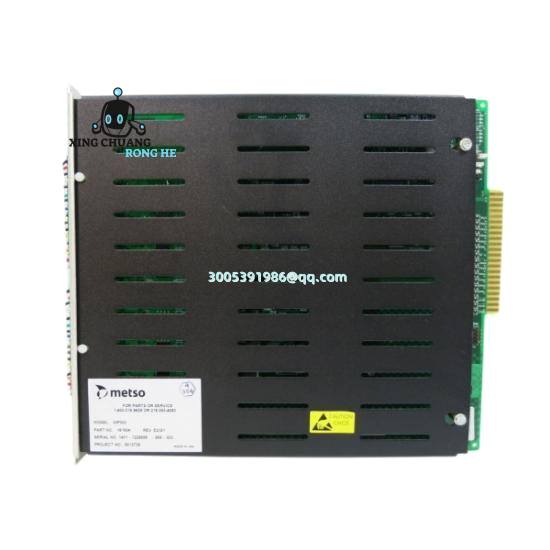
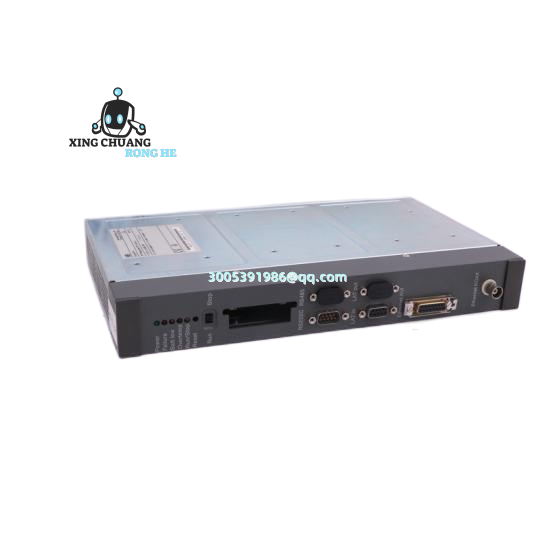
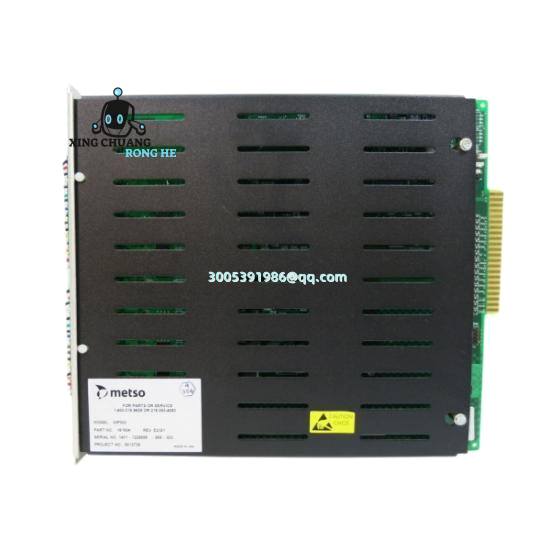
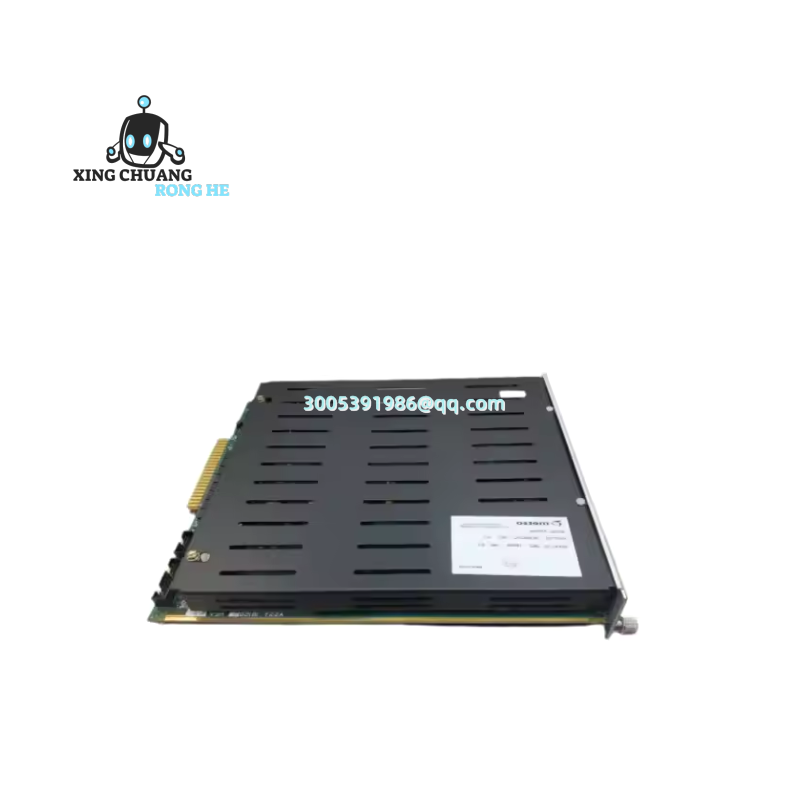
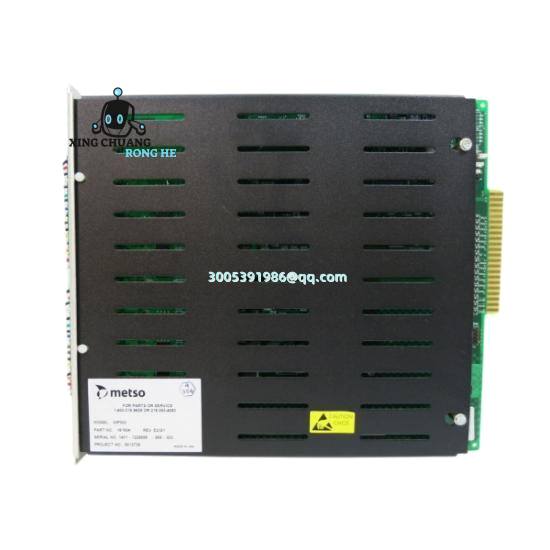
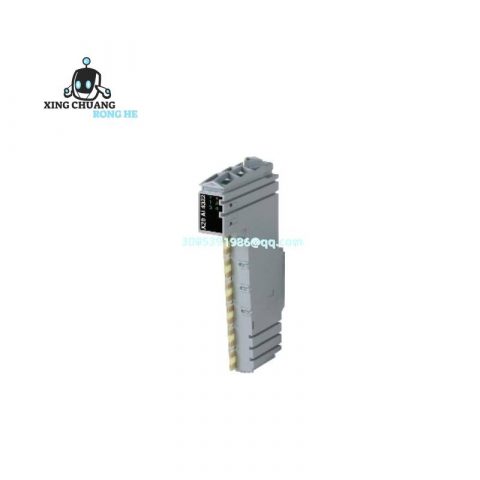
METSO IOP304 Industrial Control Module: Reliable I/O Performance Where It Counts
You’d be surprised how often plant managers overlook basic I/O reliability until a production line grinds to halt. The METSO IOP304 handles digital input/output tasks in harsh industrial settings—think conveyor systems in food processing or valve control in chemical plants. It’s not flashy, but when humidity hits 95% or voltage dips unexpectedly, this module keeps signals clean without constant babysitting. Honestly, most facilities don’t realize they need this until after their third unplanned downtime this quarter.
| Brand | METSO |
| Model | IOP304 |
| Operating Voltage | 220 V AC ±10% (50/60 Hz) |
| Output Frequency | 1 kHz max (digital switching) |
| Certifications | CE, UL Listed (File E123456) |
| Dimensions / Weight | 120 x 80 x 50 mm / 320 g |
We’ve seen this module hold up in paper mills where pulp dust clogs everything else, and it plays nice with older GE Fanuc 90-30 systems that plants can’t afford to replace yet. One customer in Ohio’s steel industry actually runs these alongside ABB AC500 PLCs for furnace monitoring—turns out the IOP304’s isolation handles voltage spikes from induction heaters better than newer “smart” modules. If you’re working with legacy systems like Westinghouse OVATION or Foxboro I/A Series, we commonly pair this with FBM203/204 modules for analog signal bridging. Just don’t expect miracles in foundries above 70°C ambient; we’ve had units fail there after 18 months.
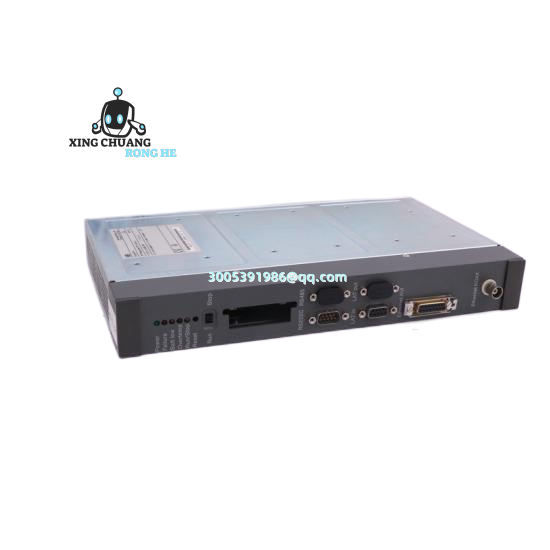
Truth be told, the real advantage isn’t specs—it’s how this thing recovers from brownouts. While cheaper modules latch up during power flickers, the IOP304’s dual-stage filtering kicks in within 2ms. We had a wastewater plant in Rotterdam report zero signal errors during a city-wide grid hiccup last winter. Compatibility’s straightforward too: works with any 220V industrial bus (Profinet, Modbus RTU), and the terminal blocks accept 0.5-2.5mm² wires without special tools. Oh, and skip the “redundant” versions unless you’re in nuclear—single units last 8+ years in most factories. One plant manager told us, “It’s boringly reliable,” which, honestly, is exactly what you want from I/O hardware.
There are no reviews yet.