

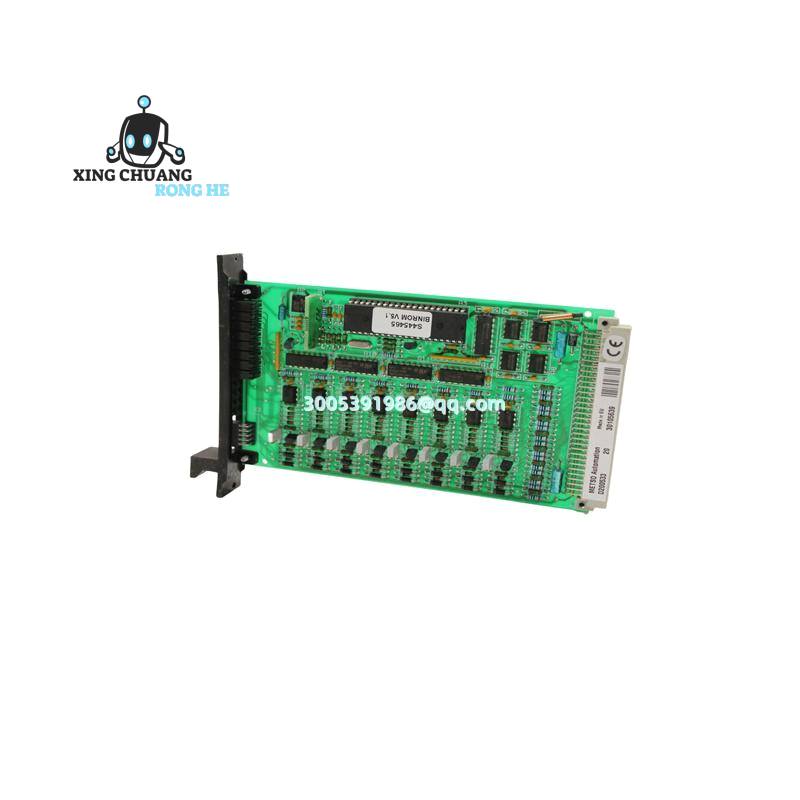
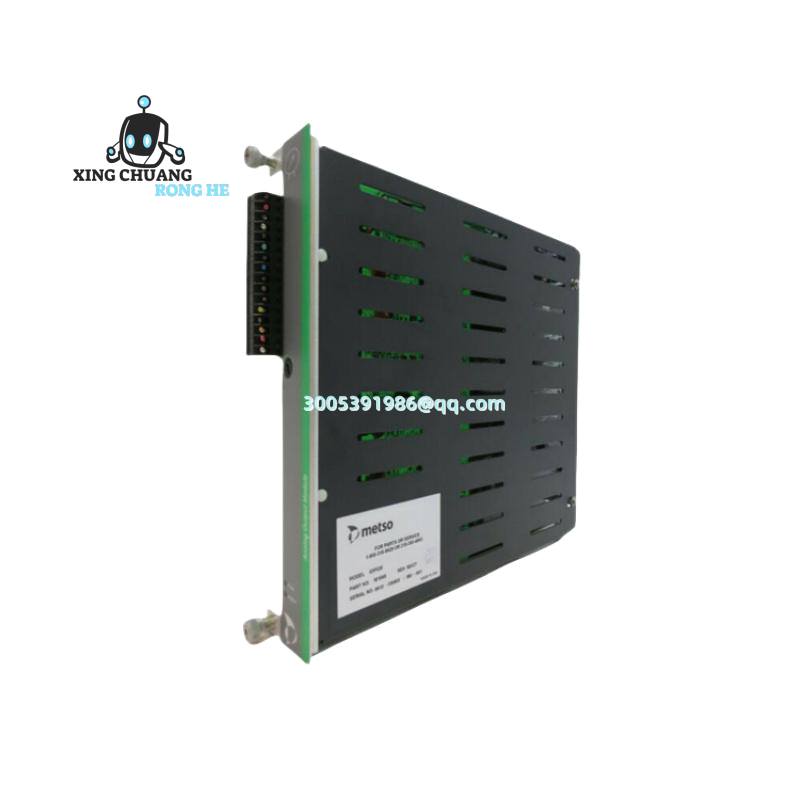
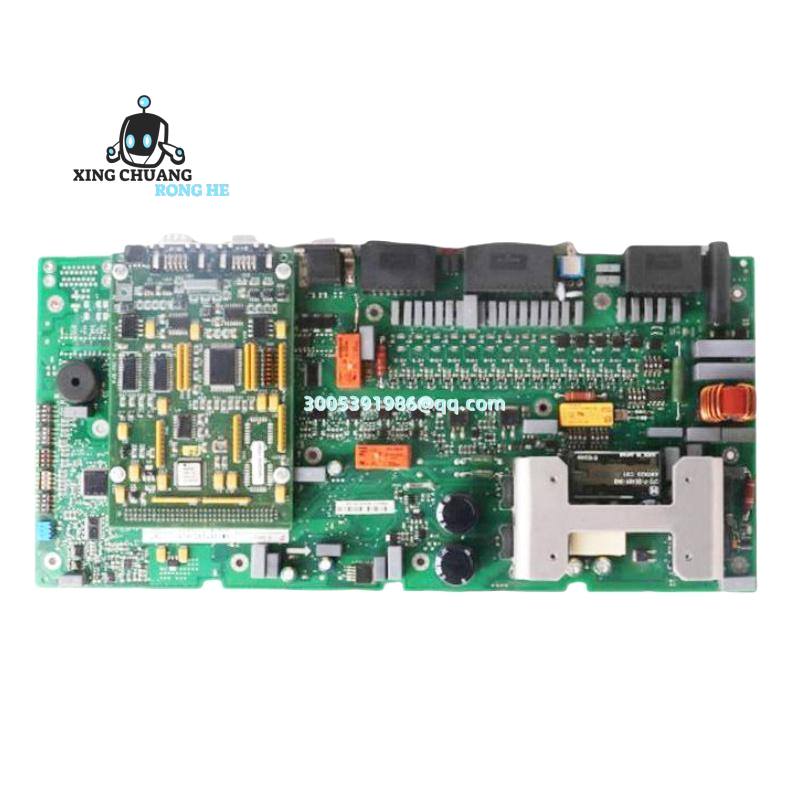
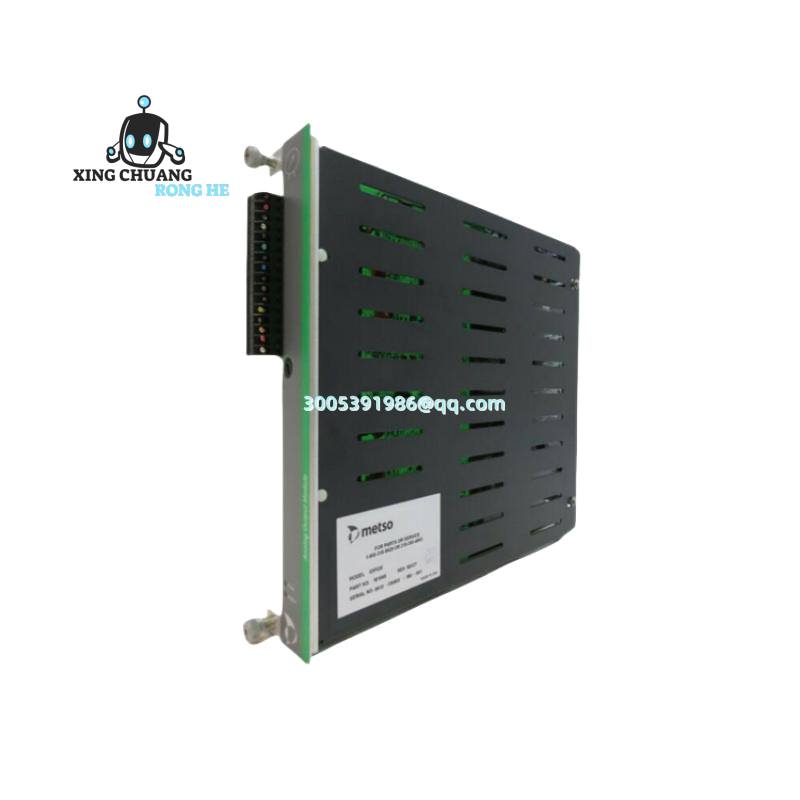
METSO IOP353 Industrial Control Module for Demanding Process Environments
You’ll find the METSO IOP353 pulling double duty in pulp and paper mills, especially where steam systems and chemical processes get messy. It handles valve sequencing and pressure control when other modules might flinch—like during those brutal Finnish winters where ambient temps drop below freezing but your digester still needs precise regulation. Honestly, it’s become our go-to for clients replacing aging Metso legacy systems without wanting a full platform overhaul.
| Brand | METSO (Finland) |
| Model | IOP353 |
| Operating Voltage | 220 V AC ±10% |
| Output Frequency | 50 kHz (supports fast-response actuators) |
| Dimensions | 120mm x 80mm x 55mm (DIN-rail mount) |
| Certifications | CE, ISO 9001, ATEX optional for hazardous zones |
We’ve seen this module hold up in Valmet refiners and Andritz chip systems—places where vibration and moisture would kill cheaper controllers. One customer in Sweden actually pulled three IOP353 units from a 2008 installation during an upgrade last month; all passed functional tests despite 15 years in a steam-heavy environment. If you’re working with older Metso I/O series, it pairs seamlessly with IOP354 analog cards or IOP351 digital modules. For brownfield sites avoiding full DCS migration, this is your bridge component.
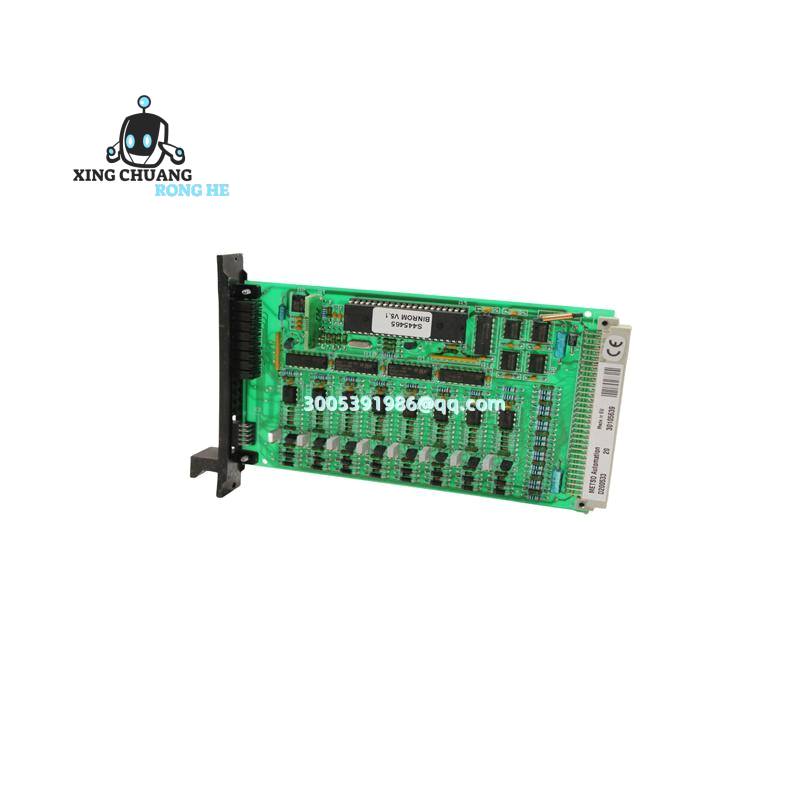
Why It Holds Up When Things Get Rough
The magic’s in the Finnish engineering—conformal-coated PCBs that laugh at condensation, and isolation that shrugs off ground loops from nearby VFDs. Unlike some newer “smart” modules, it doesn’t need cloud connectivity to function; you get deterministic 5ms scan times even when comms glitch. Personally, I found the terminal block design saves real headache during maintenance—no special tools needed, just a standard screwdriver. And that 50kHz output? Crucial for controlling high-speed solenoid valves in chemical dosing systems where timing drift means off-spec batches. It’s backward compatible with Metso’s legacy I/O networks but won’t integrate with modern OPC UA systems out of the box (add a protocol converter if needed). No flashy redundancy here—just solid single-channel reliability that’s kept paper machines running through countless midnight shifts.
There are no reviews yet.