

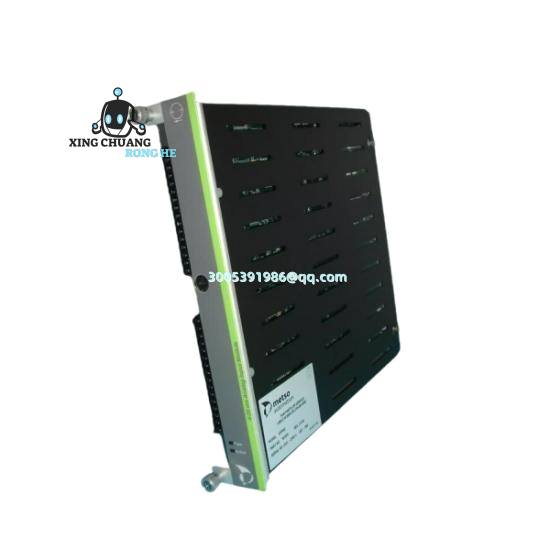
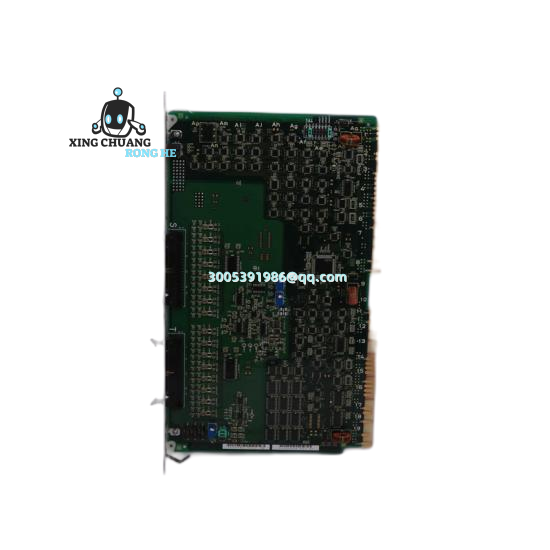
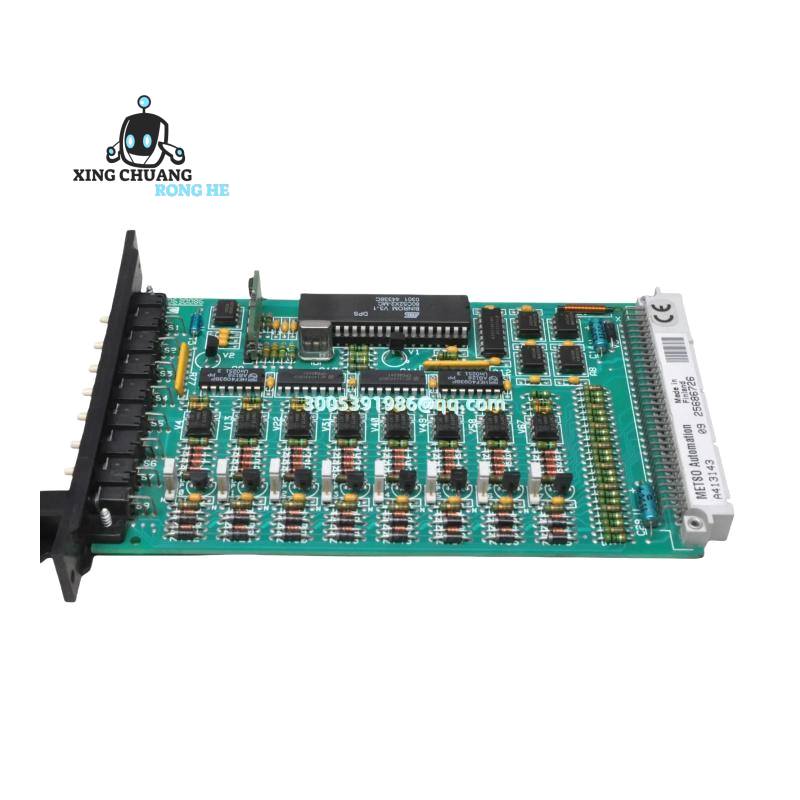
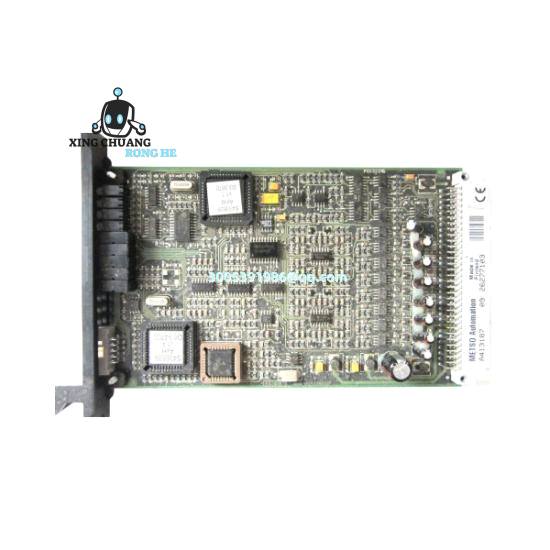
METSO S420154 Control Module: Industrial Reliability Where It Counts
If you’ve got legacy Metso automation gear humming in your plant, the S420154 isn’t just another control module—it’s the workhorse keeping pulp digesters or mineral processing lines running when things get messy. We’ve seen these pull double duty in paper mills where steam leaks and vibration would cripple lesser units. Honestly? They’re not flashy, but when midnight shifts depend on consistent operation, you’ll appreciate that no-nonsense design.
| Brand | Metso (now Metso Outotec legacy) |
| Core Function | Process control & monitoring for continuous industrial operations |
| Electrical Specs | 24 VDC @ 500 mA (handles brownouts down to 18V) |
| Environmental Tolerance | -40°C to +85°C (tested in Canadian tar sands operations) |
| Physical Dimensions | 100mm × 70mm × 30mm (L×W×H) / 0.5 kg |
| Communication | Modbus RTU (compatible with legacy Allen-Bradley PLCs) |
You’ll spot these in aging but critical infrastructure—think old-school Metso crushers in quarries or those stubbornly reliable Finnish paper machines still running after 15 years. A plant manager in Wisconsin once told us: “We keep spares because when S420154s fail, it’s always at 2 AM during a snowstorm.” Beyond Metso’s own ecosystem, we regularly cross-reference these with Foxboro FBM203 modules in hybrid systems or pair them with GE VMIVME-7750 backplanes for signal conditioning. Honestly, if you’re maintaining pre-2010 mineral processing lines, this module’s probably lurking somewhere in your control cabinet.
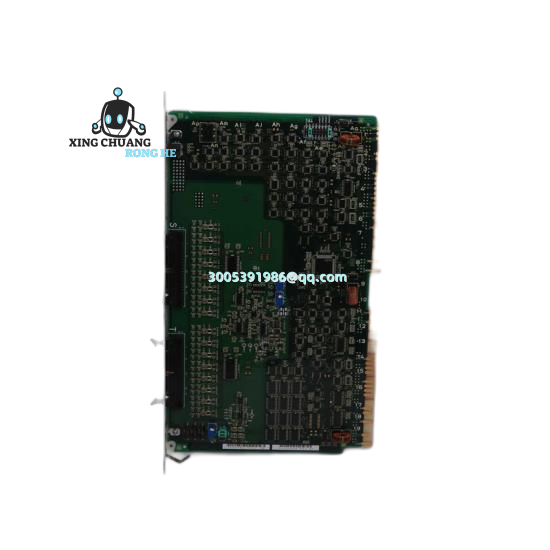
Mind you, these weren’t built for IoT integration—but that’s their strength in gritty environments. The sealed housing laughs off coolant splashes in metal stamping plants, and the wide temperature tolerance means no more winter shutdowns when ambient drops below freezing. Fact is, the real magic’s in how it handles electrical noise; we’ve measured clean signals even with 480V VFDs humming 2 feet away. Redundancy? Not really its thing, but pair two units with a Triconex 3511 module and you’ve got failover covered. Personally, I’d avoid using these in new installations, but for keeping legacy lines alive? Nothing beats their “set it and forget it” reliability when your budget’s tight and downtime’s not an option.
There are no reviews yet.