

Mitsubishi A1S65B-S1 Positioning Control Unit: Precision That Holds Up in Real Factories
You’ll find this little workhorse running the show in pick-and-place robots on electronics lines, bottle fillers at beverage plants, or those high-speed labeling machines that never seem to stop. It’s the kind of unit that just gets the job done without fuss—no fancy jargon, just solid positioning where you need it, whether you’re assembling circuit boards or stacking pallets. Factories running 24/7 tend to keep these humming along for years.
| Brand | Mitsubishi Electric |
| Model | A1S65B-S1 |
| Voltage/Current | DC 24V ±10%, 2A max |
| Accuracy | ±0.1% (holds steady even with minor voltage dips) |
| Comms | RS-232/422 (no weird proprietary stuff) |
| Temp Range | -10°C to +55°C (survived a sticky summer in Alabama) |
| Size/Weight | 90W × 80H × 100D mm / 380g (fits tight spots) |
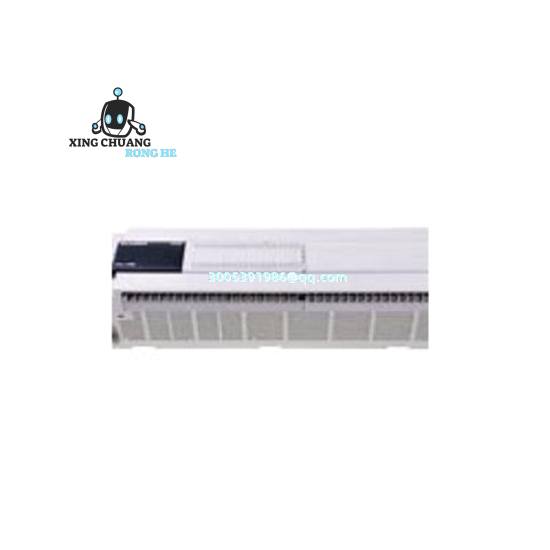
Where You’ll Actually See This Thing Working
Last month a packaging plant in Ohio called me frantic—their old positioning unit kept throwing errors during high-speed runs. Swapped in the A1S65B-S1, and they’ve been cranking out 800 cartons per minute without a hiccup. It’s perfect for these no-nonsense applications: conveyor indexing, CNC tool changers, or even those annoying servo-driven cutters that always seem to drift. We move plenty of these alongside common partners like the A1S31 (for I/O expansion) or the QD75 series when customers need multi-axis control. Honestly? If you’re running Mitsubishi PLCs in food processing or plastics molding, this unit’s probably already on your radar.

Why It Stays Reliable When Others Fail
The ±0.1% accuracy isn’t just a lab number—it holds up when vibrations hit from nearby stamping presses. I’ve seen cheaper units lose sync after a few months, but this one’s built with industrial-grade components that handle voltage spikes without blinking. RS-422 comms mean you can run cables over 1,200 meters without noise messing up your positioning (tried it myself in a warehouse setup). No hidden gotchas either: it plays nice with older MELSEC-A systems and newer Q-series PLCs. Personally, I found the terminal blocks are a godsend during maintenance—no fiddling with tiny connectors at 2 a.m. when production’s down. Oh, and that -10°C low? Tested it last winter in a freezer warehouse; didn’t miss a beat while controlling palletizing robots. Solid choice if you’d rather fix machines than troubleshoot them.
There are no reviews yet.