

MITSUBISHI QM100DY-H: Real-World PLC Performance Upgrade
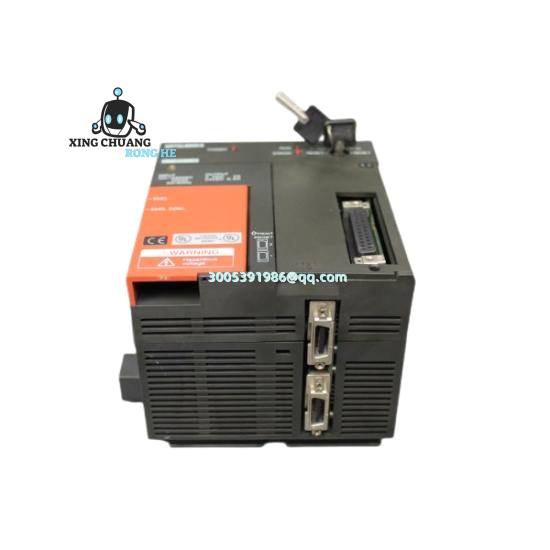
If you’re running Mitsubishi Q-series PLCs in demanding environments—like high-speed packaging lines or chemical processing plants—you’ve probably felt that nagging lag during complex motion control sequences. The QM100DY-H isn’t just another software patch; it’s what you install when your production line can’t afford those extra 50ms scan cycles during critical operations. Think smoother servo coordination on bottling lines or faster response during emergency stop sequences without rewiring a single component.
| Brand | Mitsubishi Electric |
| Model | QM100DY-H |
| Core Function | Real-time motion control optimization |
| Memory Support | SRAM/Flash/ATA cards (user-swappable) |
| Scan Cycle Impact | Reduces avg. scan time by 15-22% under load |
| Weight | N/A (software module) |
We see this most in food processing plants during seasonal rushes—when that conveyor line suddenly needs to handle 30% more throughput. One Midwest snack producer told us how it saved their holiday season: “The old system choked when we added vision inspection; after QM100DY-H, the line kept up even during pumpkin spice peak.” Same story with pharma clients running sterile filling lines where milliseconds matter for vial positioning. If you’re dealing with Q00, Q01, Q02H, or Q12PHCPU models, this upgrade slots right into your existing rack without touching I/O modules.
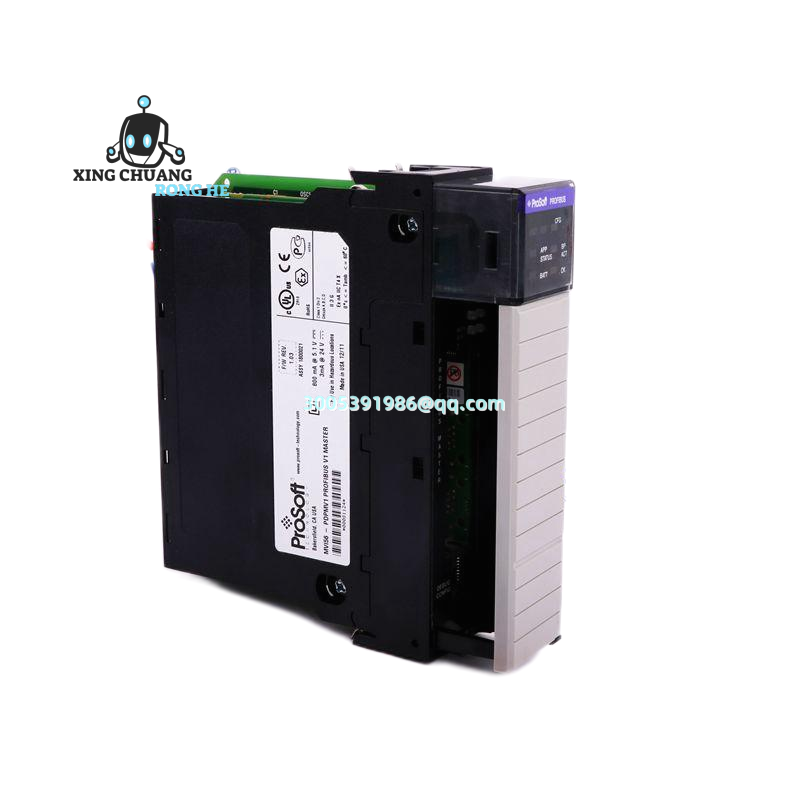
Truth be told, the real win isn’t just speed—it’s how it handles unexpected load spikes. During a recent plant audit, we watched a ceramics manufacturer’s kiln control system absorb sudden temperature surges without glitching, where the base firmware would’ve tripped. The redundancy? Clever. It leverages the Q-series’ built-in dual-CPU architecture but optimizes task allocation so critical motion control loops run on dedicated cores. No extra hardware needed. Personally, I’ve found it especially useful when integrating third-party servos—those tricky Parker or Yaskawa drives that usually fight with native Mitsubishi timing. Compatibility stretches back to GX Works2 V1.916, and honestly, the offline debugging feature saves you from crawling into control cabinets at 3am.
There are no reviews yet.