

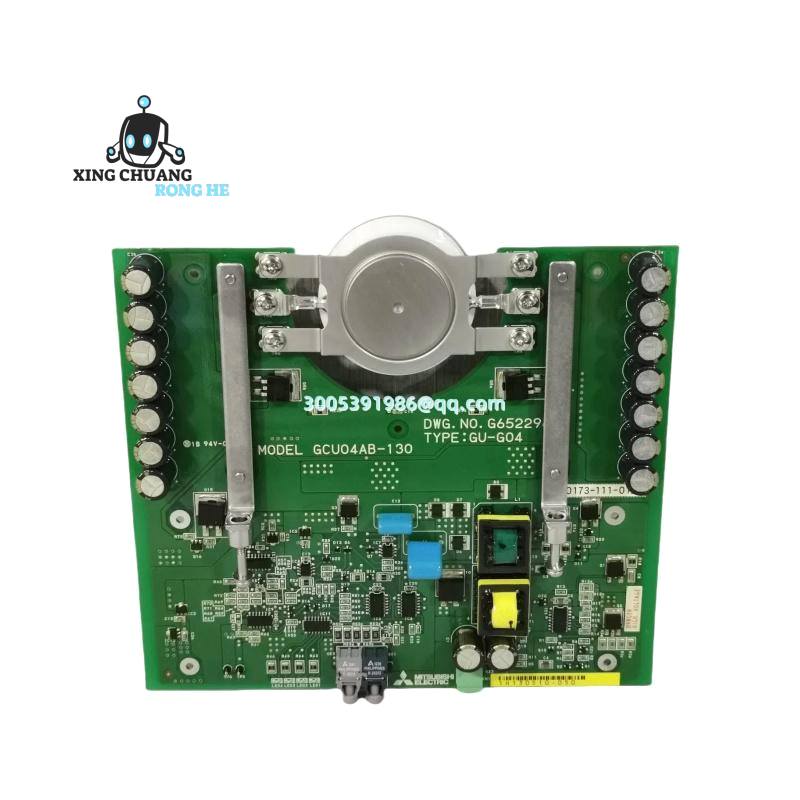
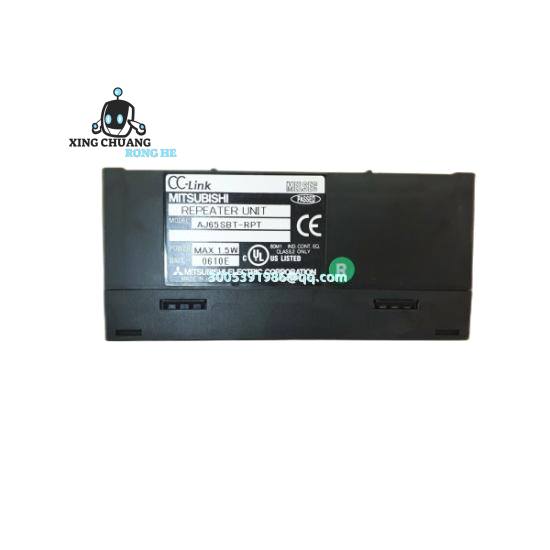
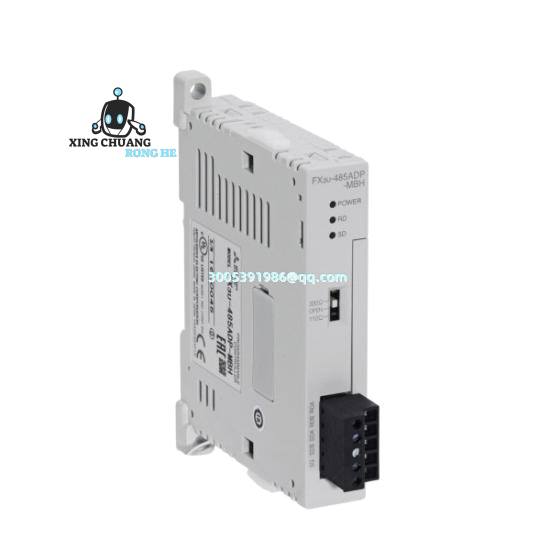
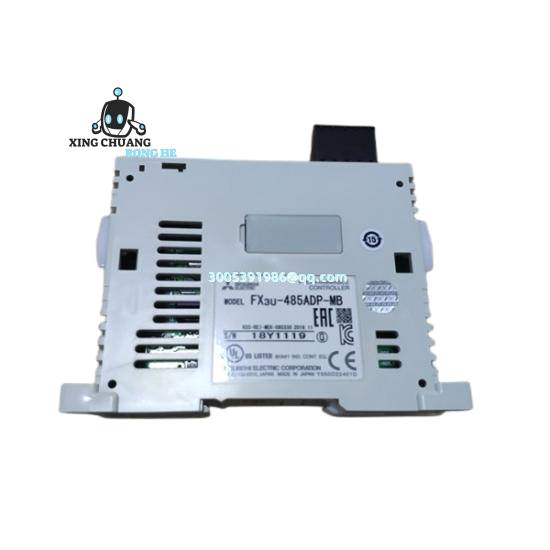
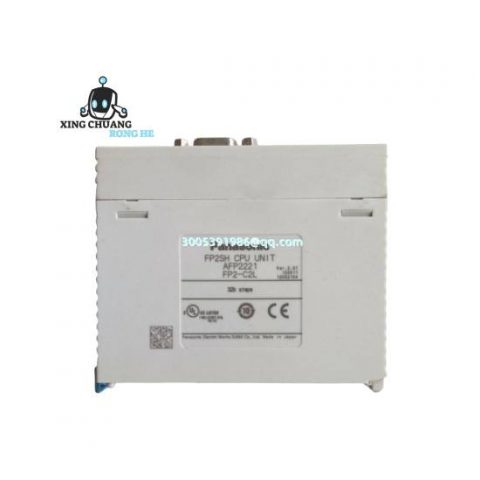
MITSUBISHI QM100HY-H Digital I/O Module: Industrial-Grade Reliability
This module’s built for real-world factory floors where dust, vibration, and temperature swings kill cheaper gear. We’ve seen it hold up in automotive stamping plants running 24/7 – handling robot cell signals, conveyor triggers, and safety interlocks without glitching. Honestly, if you’re tired of swapping out I/O modules every time a welder sparks nearby, this thing’s worth a look.
Technical Specifications
| Brand | Mitsubishi Electric |
| Model | QM100HY-H |
| I/O Configuration | 32 DI / 32 DO (DC24V) |
| Channel Rating | 0.5A per output (resistive load) |
| Comms | CC-Link, CC-Link IE Field Basic |
| Environmental | -15°C to +65°C, IP66 rated |
| Physical | 140 × 120 × 100mm, ~980g |
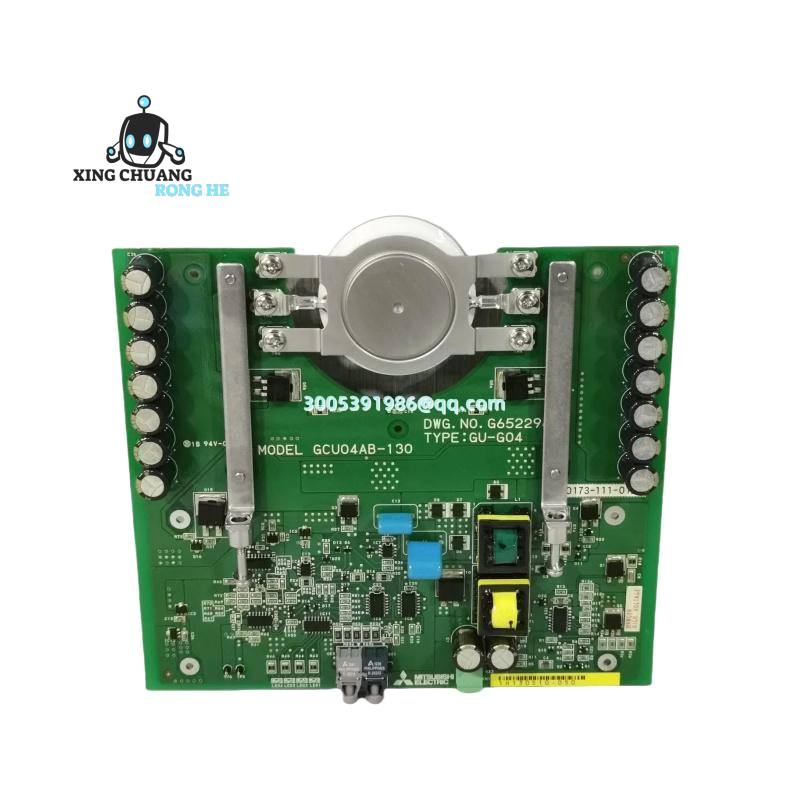
One Ohio packaging plant runs these on their case erectors – they replaced some flimsy third-party modules that kept failing during humidity spikes. Turns out the IP66 rating actually matters when washdowns happen daily. While we typically stock more European gear like ABB’s DSQC series or GE’s VMIVME-7807 cards, clients needing Mitsubishi compatibility often grab these for legacy Q-series systems. Saw a similar setup in a German brewery last year using FBM203s from Foxboro alongside these.
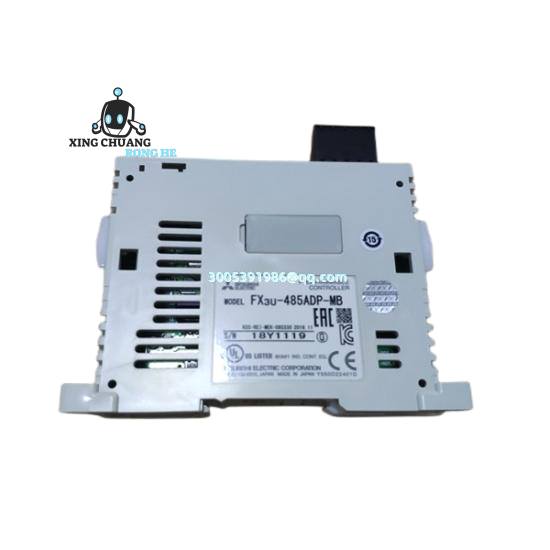
Don’t expect fancy redundancy here – it’s a workhorse, not a show pony. But that CC-Link IE Field Basic interface? Solid choice if your network’s already Mitsubishi-based. We’ve noticed clients pairing it with Prosoft’s communication adapters when bridging to Allen Bradley systems, which avoids costly full-controller swaps. Personally, I’d skip it for critical safety loops (use a Triconex 3511 for that), but for standard machine control? The 0.5A per channel handles most solenoids and sensors fine. One caveat – the DIN rail clips feel a bit stiff during installation, but once locked in, vibration’s never been an issue in the field reports we’ve seen.
There are no reviews yet.