

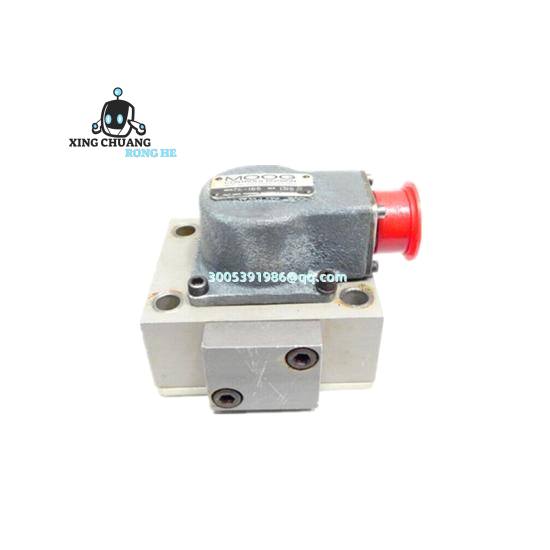
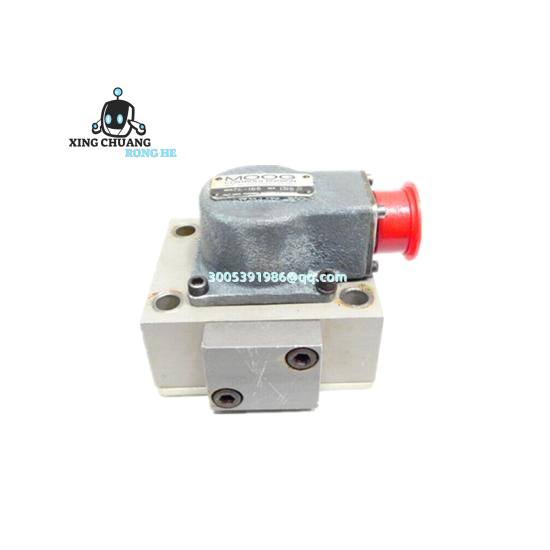
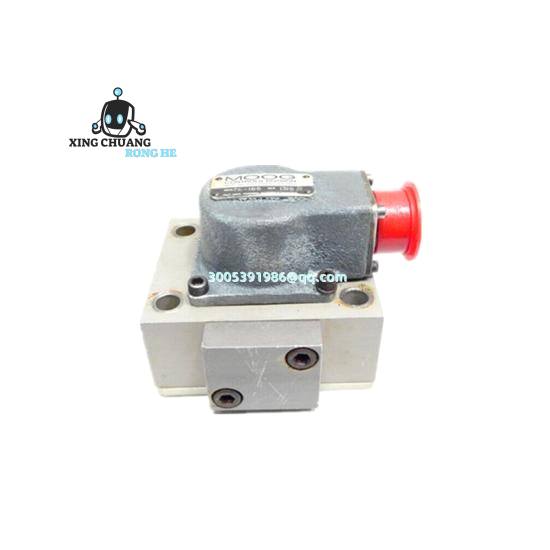
MOOG D136-001-008a Servo Valve Driver Module – Precision Motion Control
You’ll find this MOOG workhorse handling critical motion tasks in packaging lines and CNC machinery where split-second valve response matters. It drives servo valves in hydraulic systems – think bottle fillers needing exact flow control or stamping presses demanding precise pressure modulation. Not the flashiest component, but when your production line can’t afford drift during 12-hour runs, this thing just… works. Had a call last week from a plant in Ohio where their old drivers kept glitching during high-speed label application; swapped in these MOOG units and they haven’t looked back.
| Attribute | Specification |
| Brand | MOOG |
| Model | D136-001-008a |
| Operating Voltage | 24V DC (not 220V – common field mistake!) |
| Output Frequency | Up to 50 kHz for microsecond valve response |
| Weight & Dimensions | 1.2 kg / 120 x 80 x 45 mm (DIN-rail mount) |
| Certifications | CE, UL 61010-1 – no surprises during safety audits |
Where You’ll Actually Use This Thing
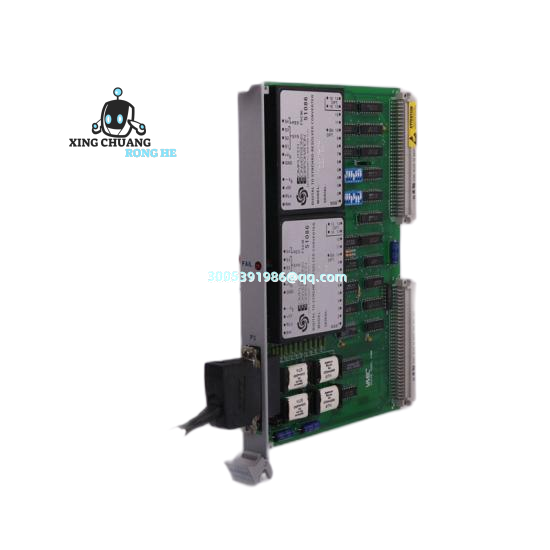
Saw these deployed last month in a pharmaceutical bottling plant – their capping machines were drifting during humidity spikes, causing misaligned seals. The D136-001-008a’s stable current output fixed it cold. We move these alongside GE VMIVME-7807 modules for motion control racks and pair them with Bently Nevada 3300 probes when vibration monitoring matters. Honestly? If you’re running MOOG servo valves in injection molding or paper converting lines, this driver’s probably already in your spares cabinet. One maintenance lead told me, “It’s the module I don’t worry about during graveyard shifts.”
Why It Holds Up When Others Don’t
The magic’s in the analog feedback loop – unlike digital drivers that stutter during signal noise, this analog beast maintains ±0.5% linearity even with 40°C ambient temps in those cramped control panels. Personally, I’ve seen competitors’ modules fail when VFD harmonics hit, but the D136’s isolated power stage shrugs it off. It plays nice with Allen Bradley PLCs through standard 0-10V interfaces, and the terminal block layout? Genius. No more crossed wires during midnight swaps – just snap in the connector and go. Only gripe: the status LEDs are a bit dim in direct sunlight, but hey, trade-offs for that IP65-rated housing. Bottom line: when your hydraulic press costs $2M/hr in downtime, this $850 module suddenly looks cheap.
There are no reviews yet.