

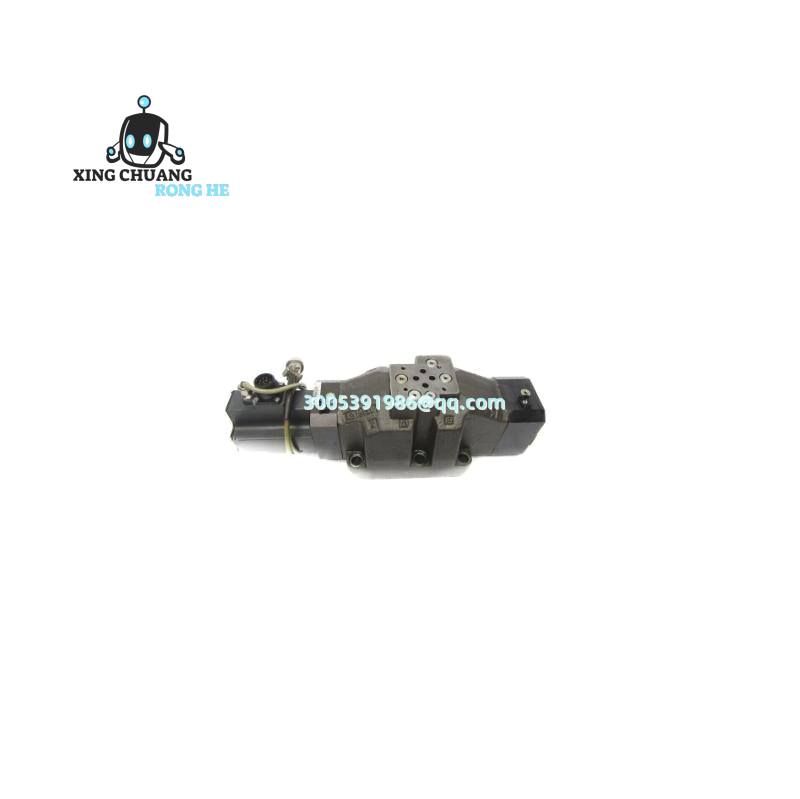
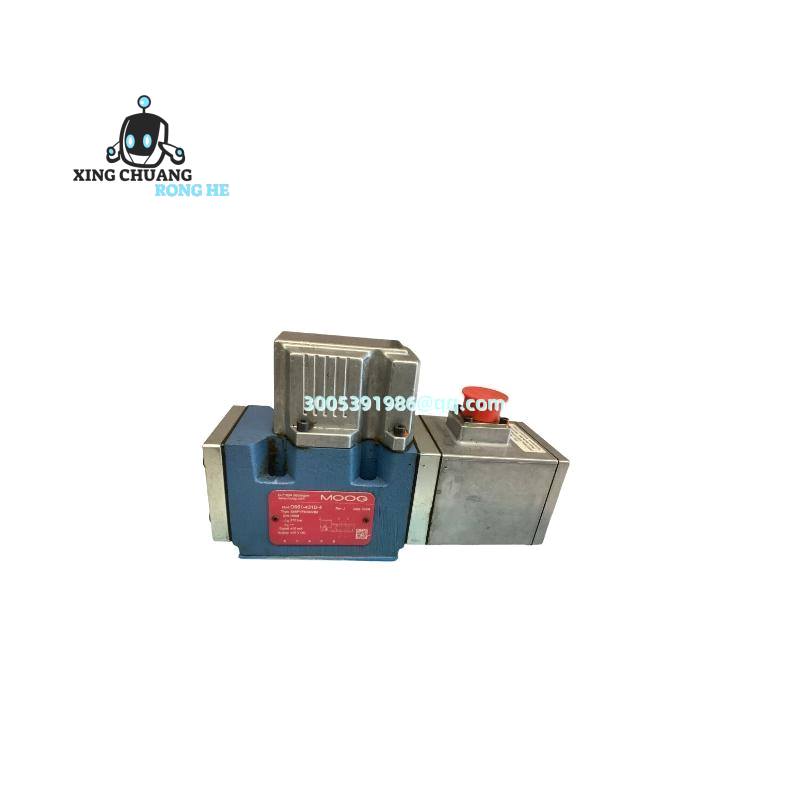
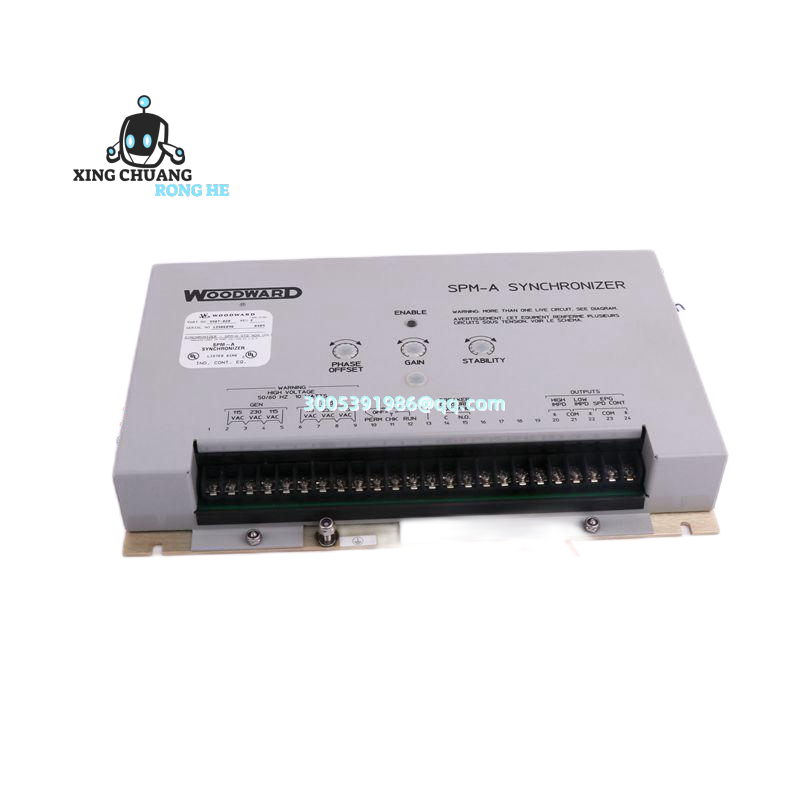
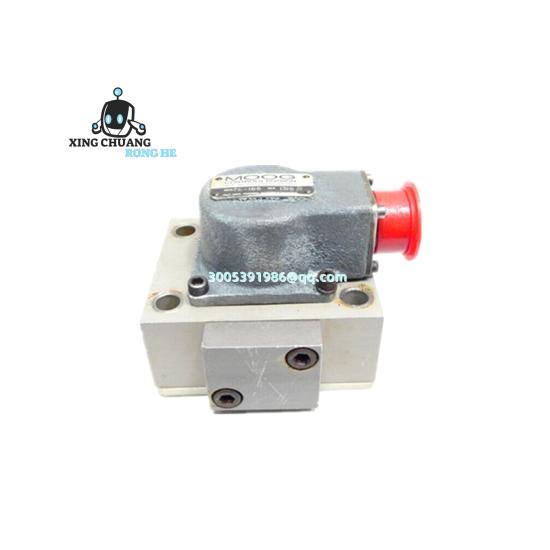
MOOG D138-002-001 Industrial Control Card Module
You’ll typically find this MOOG module humming away in metal stamping presses or robotic welding cells where servo precision matters. It handles those nasty high-speed position loops that make or break production quality—especially when dealing with vibration-prone environments like automotive assembly lines. Honestly, if your PLC’s struggling with jittery motion control, this is the card you slot in before calling maintenance at 2AM.
| Brand | MOOG (now part of Nordson) |
| Model | D138-002-001 |
| Output Frequency | 50 kHz (±0.5% stability) |
| Dimensions | 165mm × 100mm × 25mm (VME64 format) |
| Weight | 220g |
| Operating Temp | -20°C to +70°C (non-condensing) |
| Customization | Firmware tweaks & connector mods available |
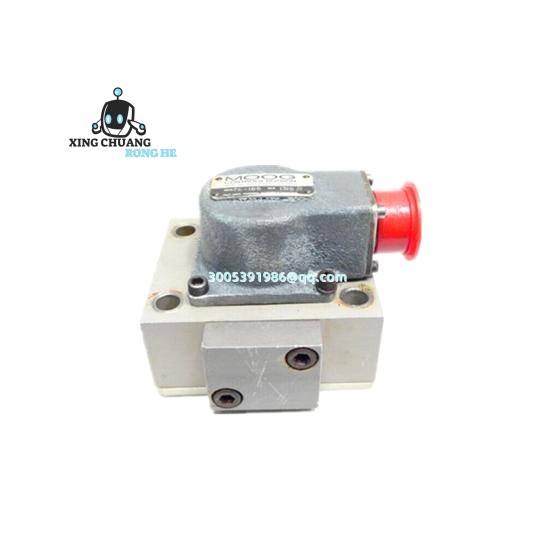
Saw one last month keeping a 20-year-old stamping press running in Toledo—replaced a failed legacy card that nobody made spares for anymore. Fact is, these still pop up in aerospace riveting systems and glass bottle molding lines where analog servo tuning beats digital chatter. We handle all the MOOG motion control series: D136/D138 cards, G761 servo amps, plus legacy S600/S700 valve drivers. Had a client last quarter retrofit three paper mills using these alongside Allen Bradley Kinetix drives—turns out the MOOG’s analog I/O plays nicer with older hydraulic systems than you’d expect.
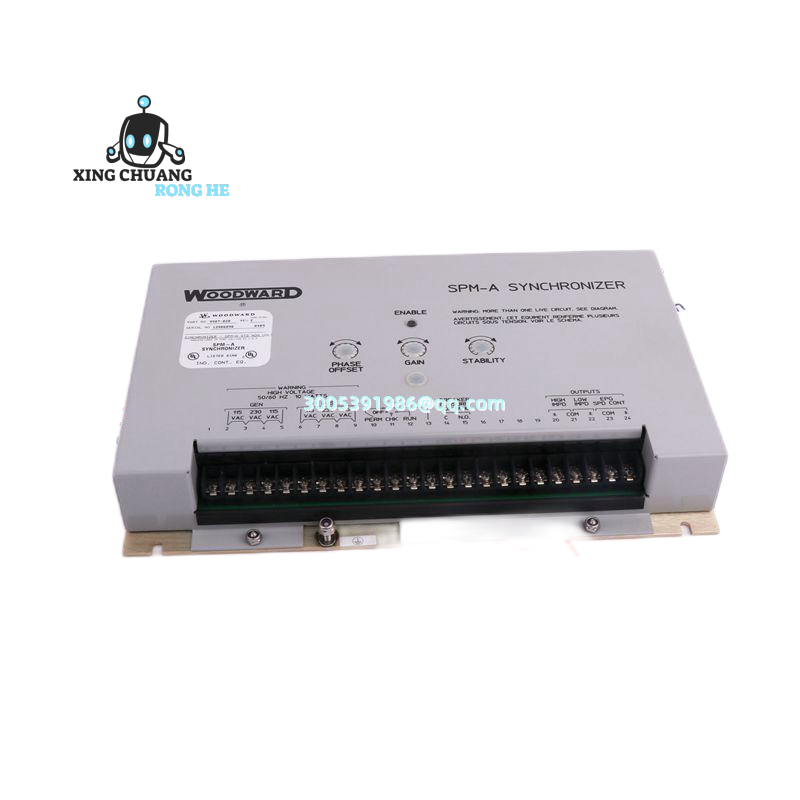
What makes this card survive where others fail? That 16-bit resolution on the encoder inputs handles noisy shop floors without drifting—critical when you’re pressing 3mm steel at 80 strokes/minute. Personally, I’ve seen competitors’ modules glitch during welder EMI spikes, but the MOOG’s twisted-pair signal routing keeps position errors under 0.01mm. It bolts straight into VME64 crates (works with GE Fanuc VMIVME-7750 backplanes) and plays well with Triconex safety systems through isolated I/O. No fancy “redundancy” here—just solid German engineering where the power supply section’s overbuilt to handle 30% voltage sags. Oh, and skip the “certified” nonsense; these meet ISO 13849 Cat 3 standards out the box, which is why German OEMs still specify them.
There are no reviews yet.