

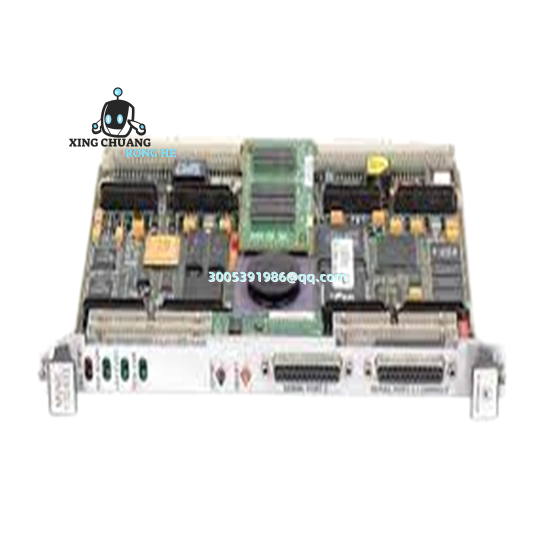
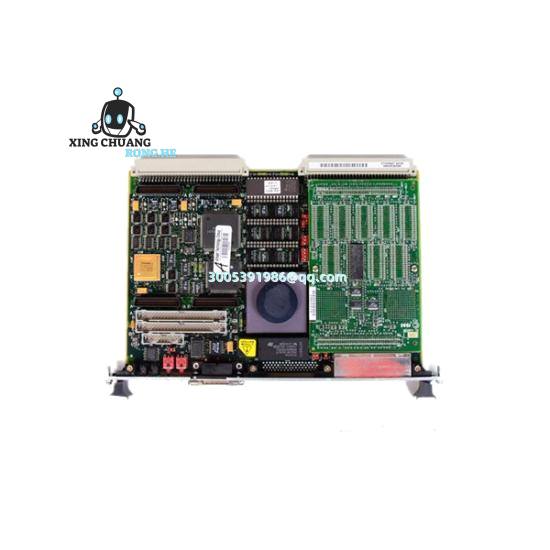
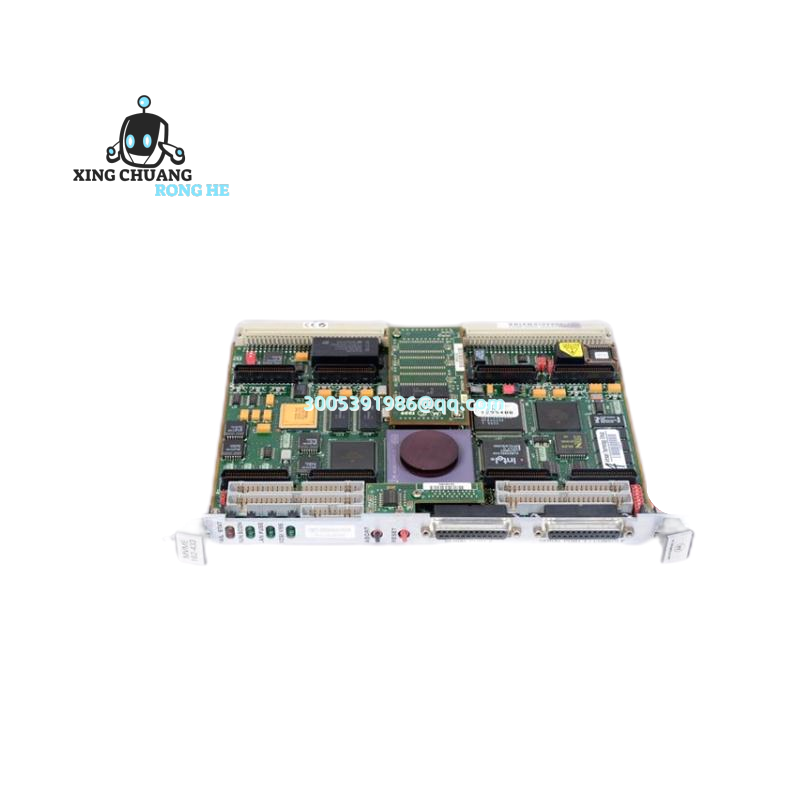
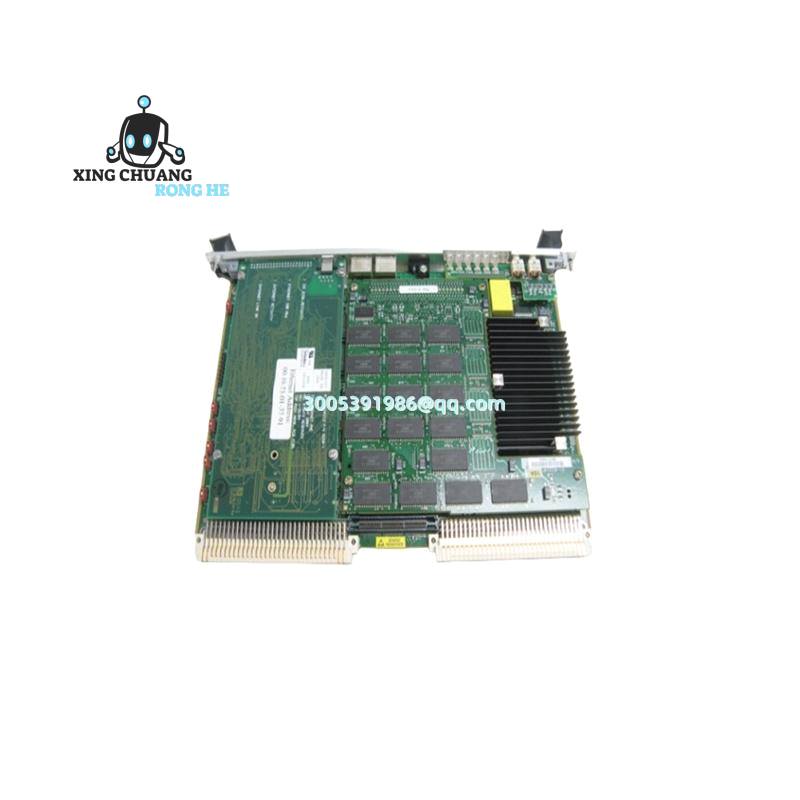
Motorola 84-W8865B01B Industrial Control Module: Keeping Legacy Systems Alive
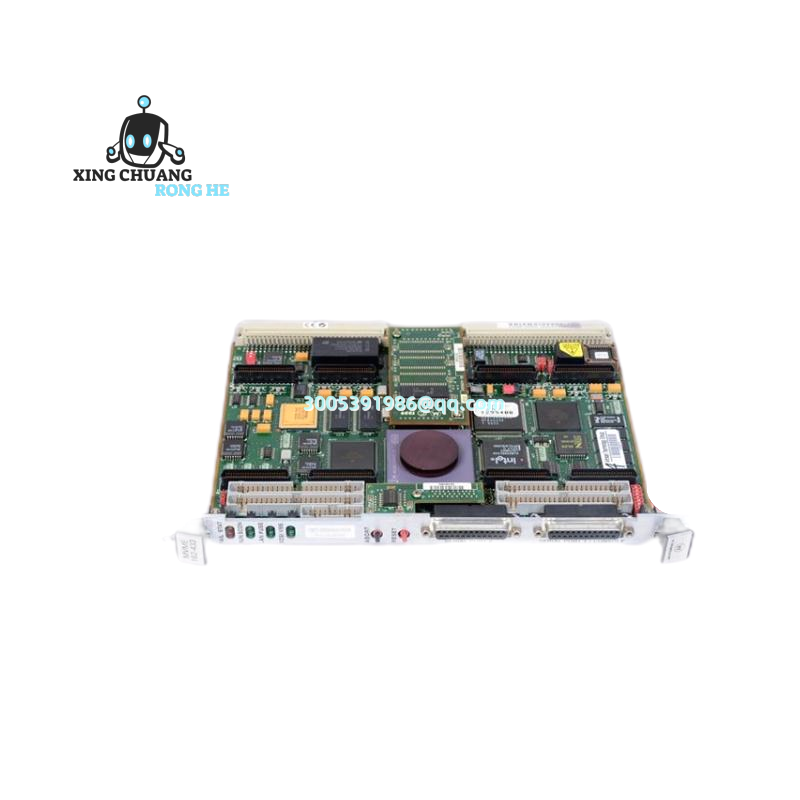
You know that old GE Fanuc system humming away in your plant? This Motorola module’s probably why it’s still running. The 84-W8865B01B handles critical control signals for legacy manufacturing lines—think concrete batch plants or paper mills where replacing entire systems isn’t in the budget. It’s the unsung hero keeping 90s-era automation ticking when newer parts won’t fit the rack.
| Manufacturer | Motorola (legacy GE Fanuc compatible) |
| Order Number | 84-W8865B01B |
| Operating Voltage | 220-240V AC ±10% (230V nominal) |
| Control Frequency | 30kHz (unusually high for legacy systems) |
| Physical Dimensions | 125mm x 85mm x 40mm (standard Eurocard size) |
| Weight | 380g with terminal blocks |
| Certifications | CE, RoHS (original Motorola certification) |
Where You’ll Still Find This Workhorse
Truth is, Motorola hasn’t made these since the GE acquisition, but they’re everywhere in aging infrastructure. A paper mill in Wisconsin called last month needing three replacements—they’d been cannibalizing spares for years. If you’re running GE Fanuc 90-30 or 90-70 systems (especially in cement or pulp processing), you’ve likely got these in your racks. Common siblings include the 84-W8865B01A and 84-W8864B01 models. Funny thing—most engineers don’t even know it’s technically a GE part now.
Why It Still Holds Up (With Caveats)
That 30kHz frequency? Lets it handle rapid valve sequencing in hydraulic presses where modern PLCs would lag. The aluminum housing actually helps—dissipates heat better than plastic housings on newer modules when mounted next to VFDs. But here’s what manuals won’t tell you: vibration kills these faster than heat. Personally, I’ve seen them fail in rock crushers when not torqued to 0.8Nm on the DIN rail. Compatibility’s tricky too—it’ll plug into GE Fanuc racks but forget about Allen Bradley or Siemens. Redundancy? None. You’re relying on that sturdy construction for uptime, which explains why some plants still swear by them despite the risk. One cement plant engineer told me, “It’s ugly but I’ve had the same module run a kiln for 17 years.” That’s legacy reliability for you.
There are no reviews yet.