

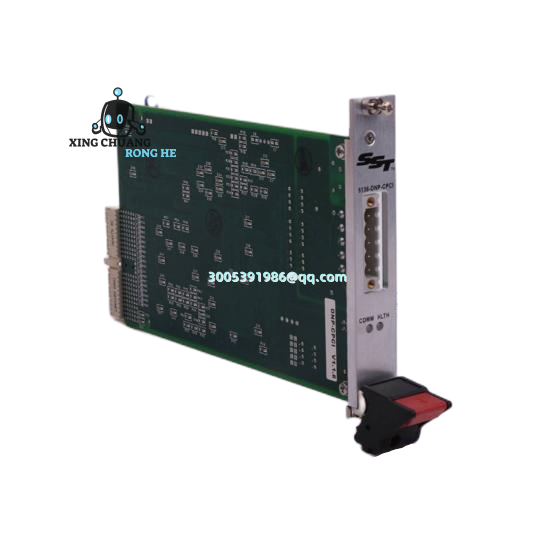
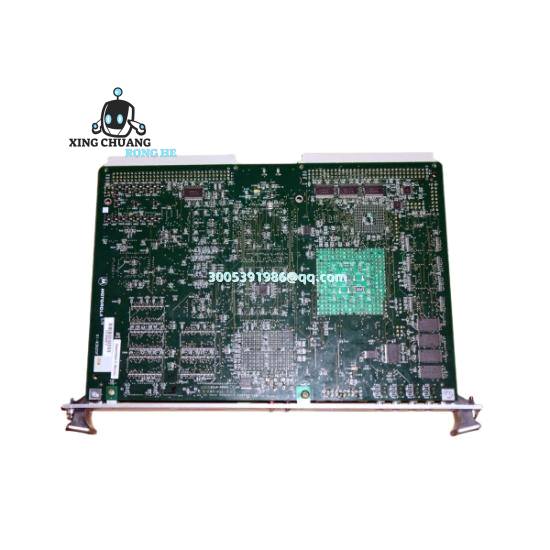
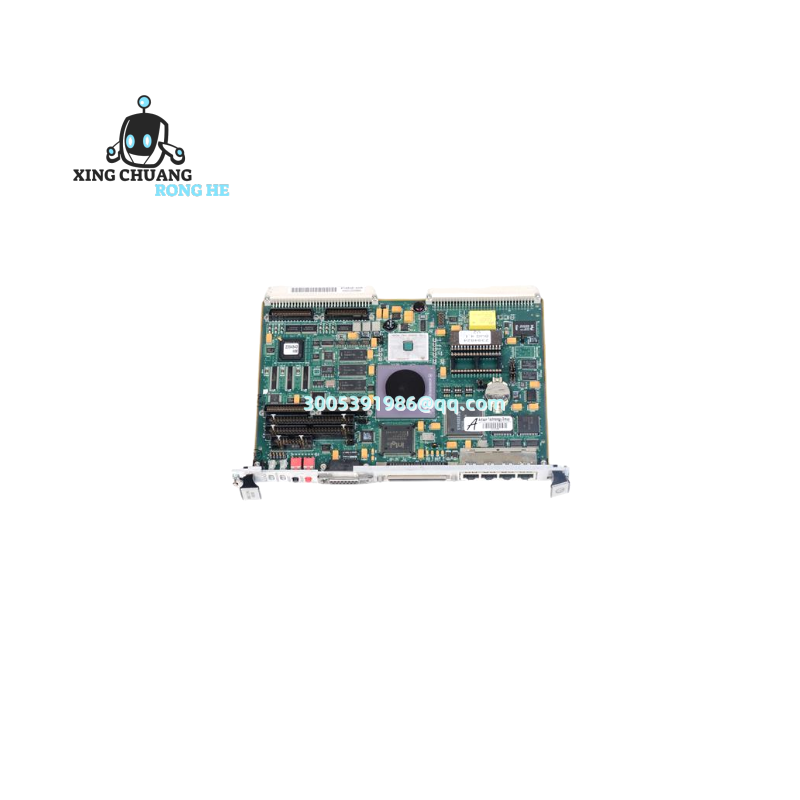
Motorola FLN4234A Control Module: Keeping Legacy Systems Running Smoothly
If you’re running legacy Motorola automation systems in your plant, you know how these older modules can be finicky. The FLN4234A is one of those workhorses that keeps production lines humming when newer replacements aren’t feasible. We’ve seen it handle everything from conveyor sequencing in packaging lines to temperature control in aging extrusion systems – basically the kind of industrial grunt work that nobody notices until it fails.
| Brand | Motorola (Legacy Industrial Division) |
| Model | FLN4234A |
| Dimensions | 120 × 80 × 45 mm (DIN rail mount) |
| Weight | 380g |
| Operating Voltage | 24V DC ±15% (typical for legacy plant environments) |
| I/O Capacity | 16 digital inputs / 8 relay outputs |
| Operating Temp | -20°C to +60°C (survived Midwest winters in auto plants) |
Truth be told, you don’t see these popping up in new installations much – they’re mostly holding down the fort in older facilities where budget constraints make full system overhauls impossible. A paper mill in Wisconsin just called last week needing spares because their FLN4234A finally gave up after 14 years on a pulp dryer line. We also regularly cross-reference these with current-gen equivalents when customers upgrade – think GE Fanuc RX3i modules or newer Schneider Modicon replacements where direct swaps are possible.
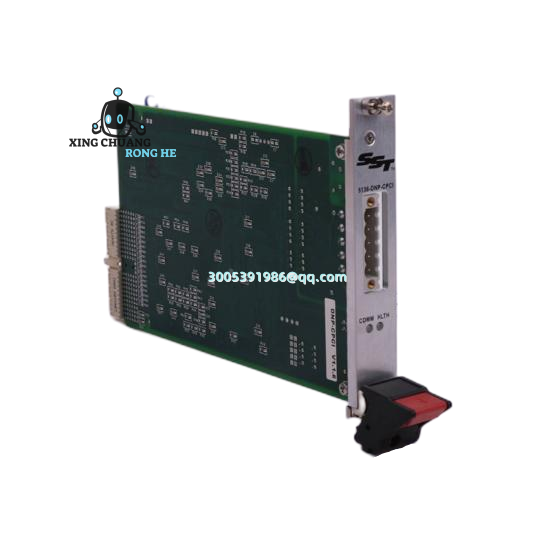
Why These Old-School Modules Still Matter
That aluminum housing isn’t just for show – we’ve pulled units out of chemical plants with visible corrosion where the internals still worked fine. The real magic’s in how they handle brownouts; unlike some newer modules that panic at minor voltage dips, the FLN4234A’s analog circuitry keeps chugging through until the line’s nearly dead. One maintenance guy told me, “These things don’t crash – they just get grumpy before failing.” Personally, I’ve found the terminal blocks way more field-friendly than modern spring-clamp types; you can actually torque them properly with standard tools without breaking a sweat.
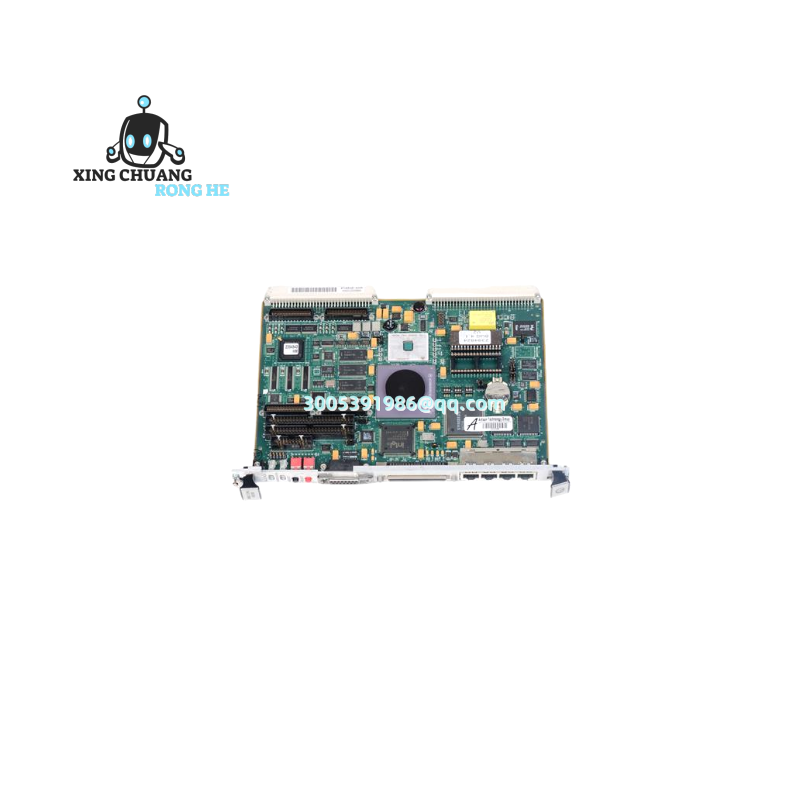
Compatibility’s tricky though – they work with older Motorola bus systems obviously, but we’ve made them talk to Allen Bradley PLC-5 networks using custom interface cards. Not ideal, but when your alternative is $200k in reprogramming costs? Worth the headache. Funny thing is, the lack of Ethernet port actually helps in high-noise environments; that old-school RS-485 comms rarely glitch near big motors. Just don’t expect any fancy diagnostics – it’s blinky lights and multimeters with these relics.
There are no reviews yet.