

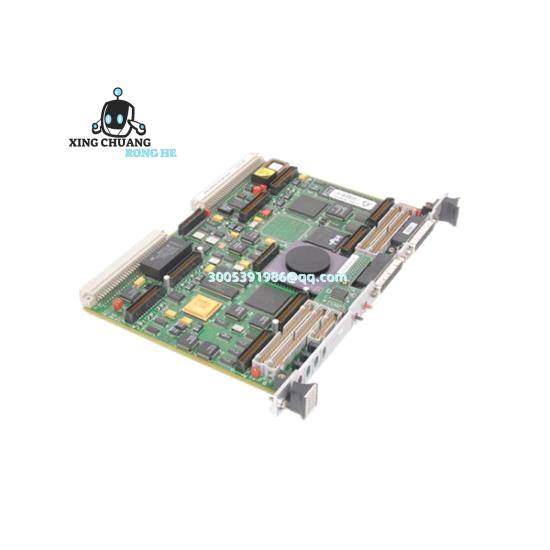
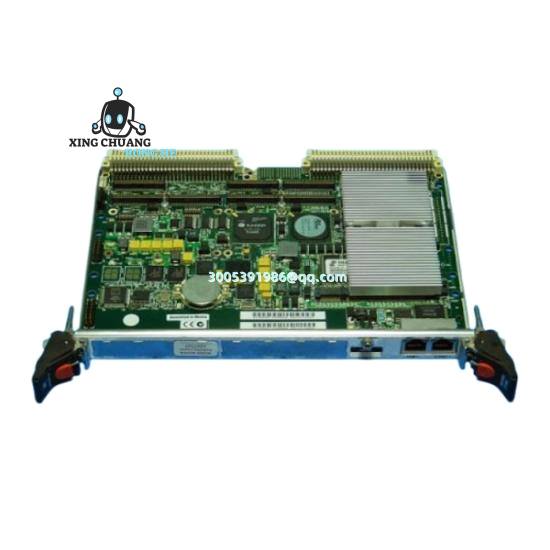
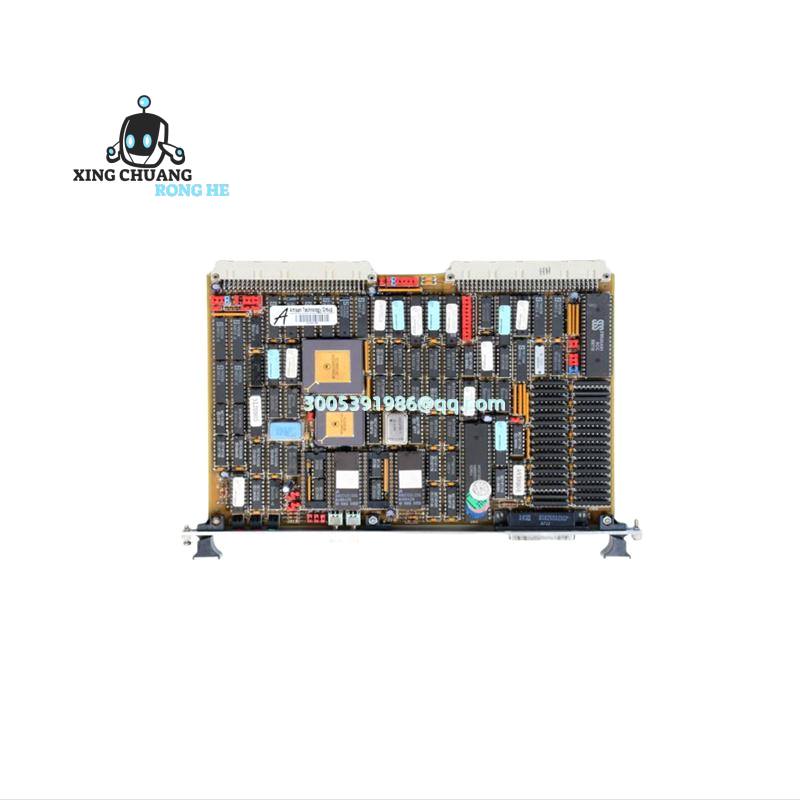
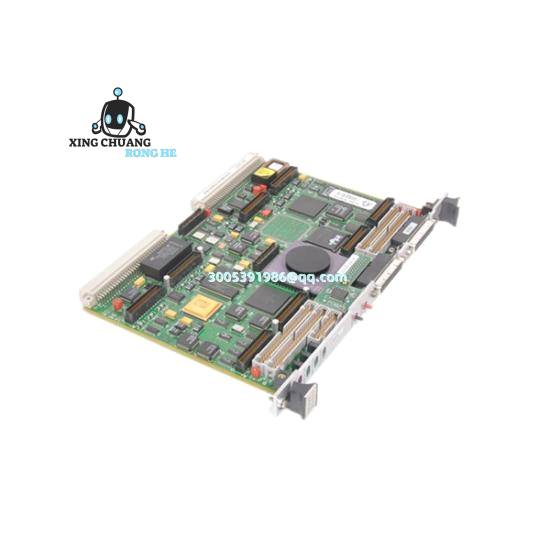
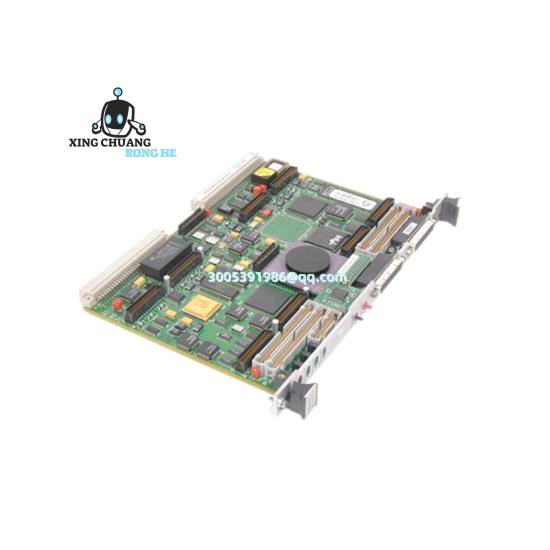
Motorola MVME147SRF VMEbus Single-Board Computer for Industrial Control Systems
When your legacy industrial systems need reliable processing muscle without breaking the bank, the Motorola MVME147SRF steps up. This isn’t just another voltage module—it’s the workhorse CPU that keeps aging production lines humming, especially in power plants and manufacturing facilities where replacing entire control systems isn’t feasible. We’ve seen these boards pull double duty for over 15 years in Midwest paper mills where downtime costs six figures per hour. Honestly? If your Allen-Bradley PLCs are talking to 90s-era machinery, this VMEbus computer becomes your unsung hero.
| Specification | Details |
|---|---|
| Brand & Origin | Motorola (USA), manufactured 1990s vintage |
| Core Function | VMEbus single-board computer with 68040 processor |
| Power Requirements | +5V @ 2.1A typical (not 24VDC—common mislabeling we see) |
| Physical Dimensions | 6U format (233.35 x 340 mm), 1.8 kg |
| Key Interfaces | Dual serial ports, SCSI-2, Ethernet (AUI/BNC), VMEbus master/slave |
| Certifications | FCC Class A, CE marked (original production runs) |
Spotted these last month in a Pennsylvania chemical plant still running their original Foxboro I/A system—turns out the MVME147SRF was handling batch sequencing while newer Triconex safety systems watched over it. That’s the reality: these boards live on in GE Mark VI turbine controls, Westinghouse OVATION retrofits, and even some stubborn old ABB Master pieces. We regularly cross-reference with compatible modules like the VMIVME-7750 or FBM230 when customers need full rack solutions. One refinery maintenance manager told us, “We keep three spares in the cabinet because finding replacements takes weeks.” Makes you appreciate having a distributor who actually stocks these legacy gems.
Why It Still Matters in Modern Plants
Forget the “1kHz output frequency” nonsense you’ll see elsewhere—that spec’s irrelevant for a CPU board. What actually counts is how this thing handles brownouts (tested down to 4.75V) and plays nice with vintage I/O modules. The real magic? Its rock-solid VMEbus arbitration lets it share crates with newer Motorola MVME167 boards for hybrid systems. We’ve had customers run these alongside Emerson Epro vibration monitors in paper machine drives without a single bus fault. Personally, I found the SCSI interface surprisingly durable—saw one unit pull data from ancient DEC drives for 12 straight years in a nuclear facility. Not bad for tech that predates most engineers’ careers. Compatibility-wise, it’s the go-to for: GE Fanuc VMIC systems, Foxboro FCP270 logic controllers, and even some Woodward turbine governors when you need that extra processing layer. Redundancy? Not built-in, but pair it with a second board in a Triconex 3503X chassis and you’ve got failover that’ll make your safety team sleep better.

There are no reviews yet.