

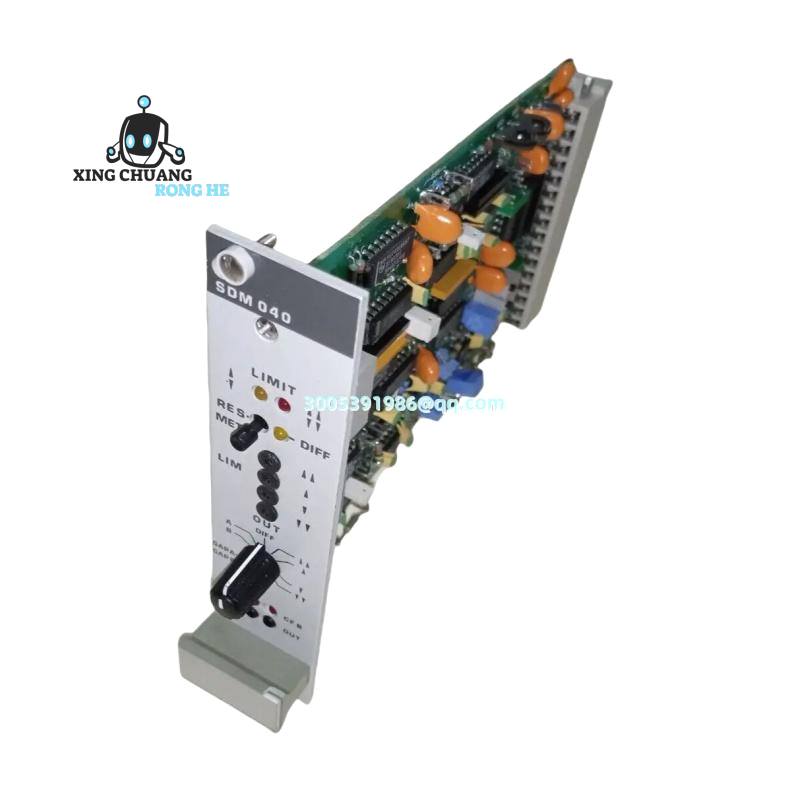
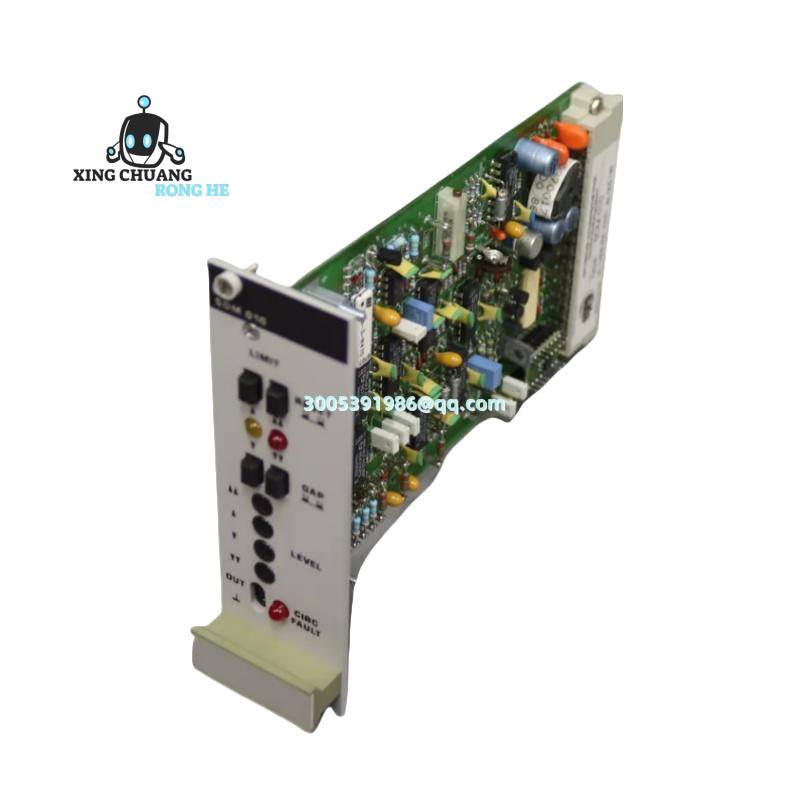
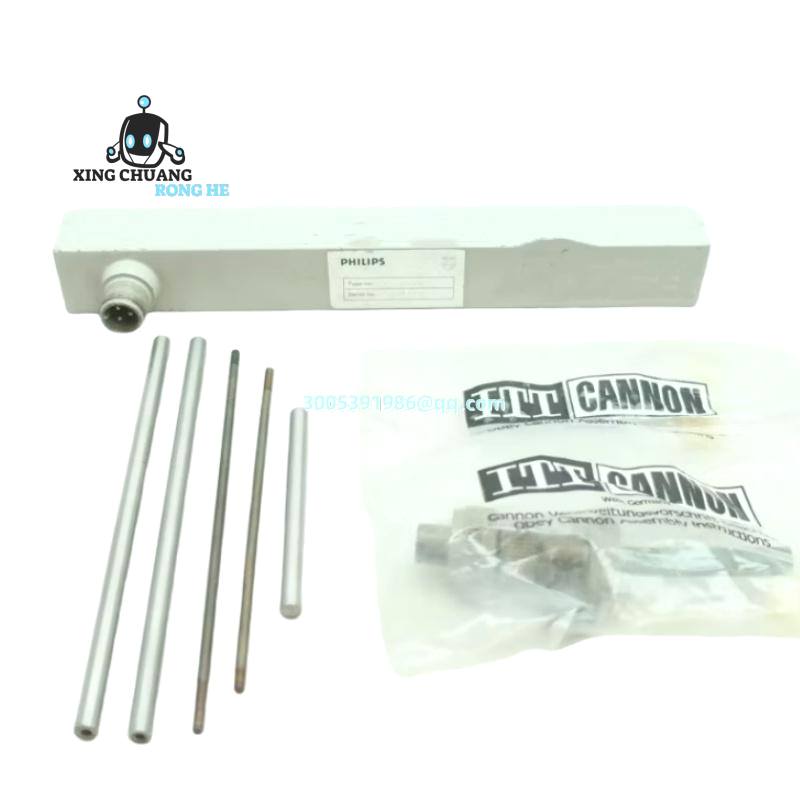
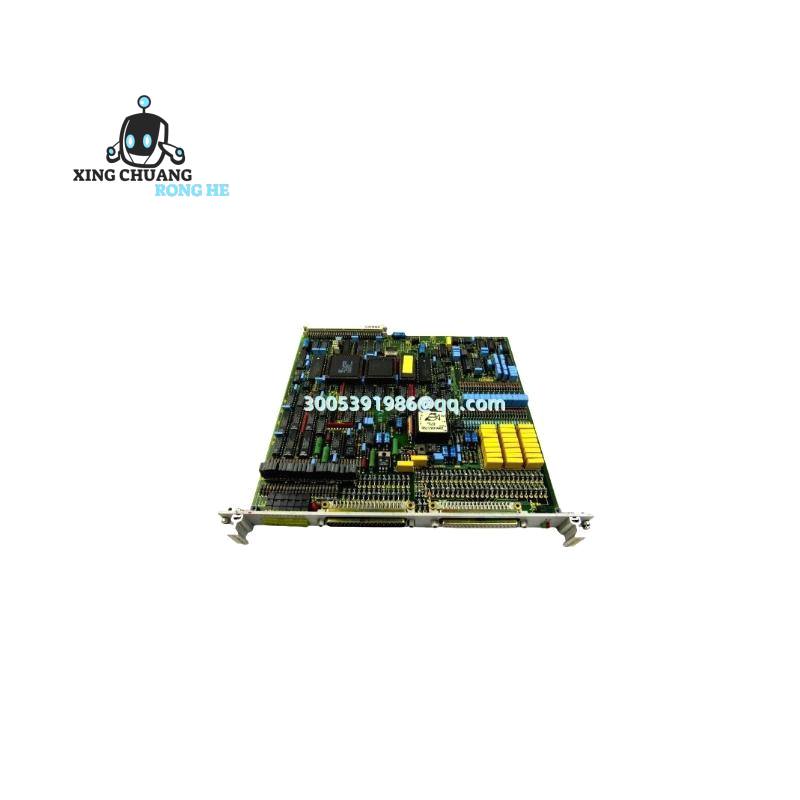
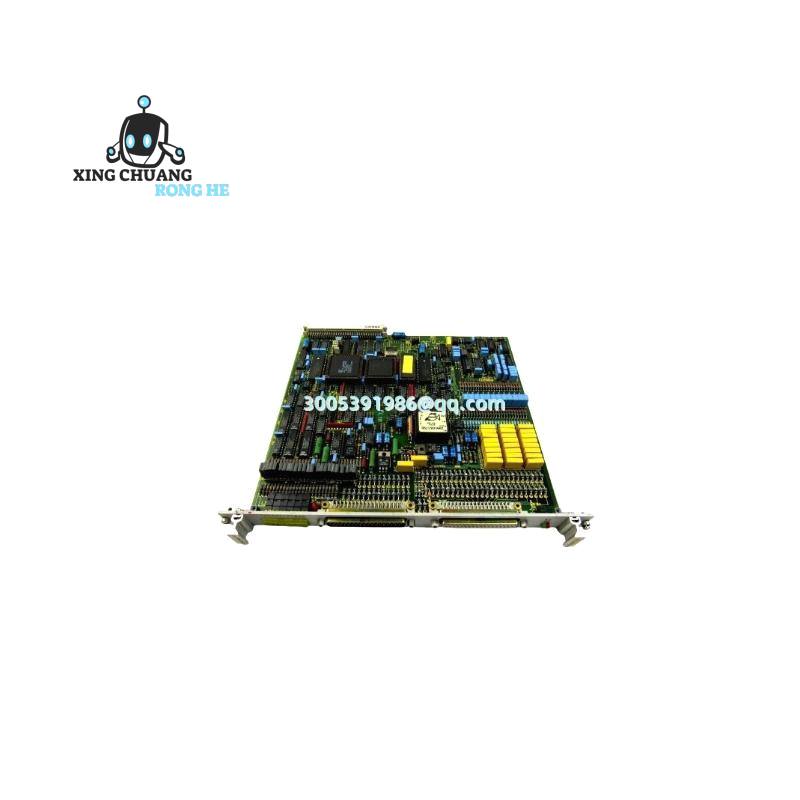
PHILIPS PD208 Industrial Control Module: Reliable Automation Workhorse
You’ll find this PD208 module handling critical tasks in steel mills, chemical plants, and packaging lines where downtime means real money lost. It’s not flashy – just a solid performer managing motor controls and safety interlocks that keep production humming. Honestly, most engineers don’t think about it until they need that rock-solid reliability during midnight shift changes.
| Specification | Details |
|---|---|
| Manufacturer | Philips Industrial Division (Legacy) |
| Model | PD208 (Order No. 1004-0014) |
| Operating Voltage | 220 V AC ±10% |
| Switching Capability | 50 kHz PWM frequency |
| Dimensions | 120mm × 80mm × 55mm (DIN rail mount) |
| Weight | 380g |
| Compliance | CE, IEC 61131-2 certified |
Where You’ll Actually Use This Thing
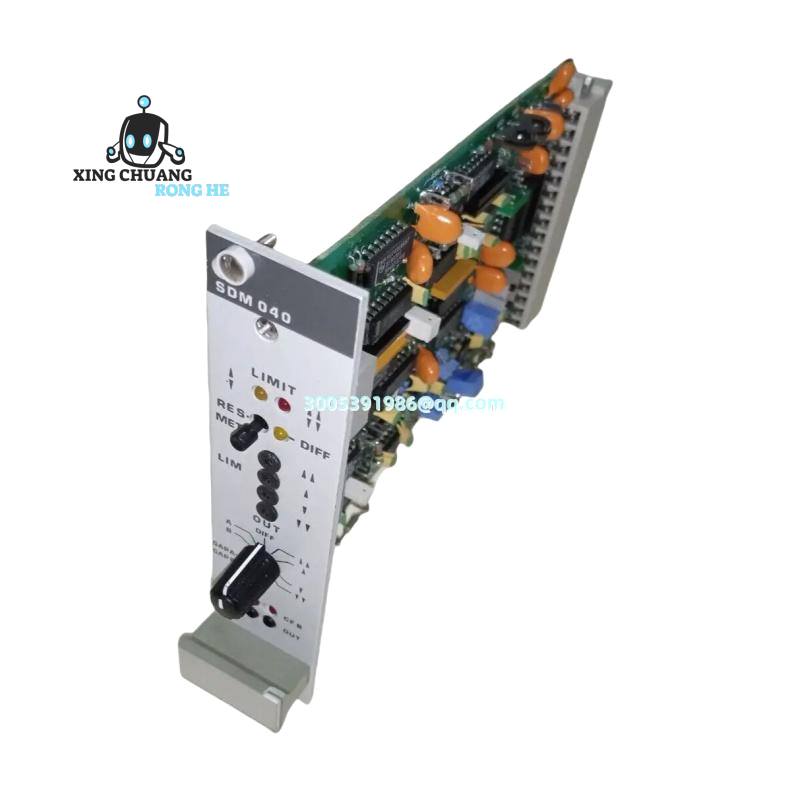
We see these PD208s holding down the fort in conveyor systems that run 24/7, or managing hydraulic presses where timing matters. One Midwest auto parts plant uses them for robotic arm safety cutoffs – they’ve had the same modules running since 2018 with zero failures. If you’re working with legacy Philips/Signaal systems or need a drop-in replacement for aging infrastructure, we’ve got these plus compatible spares like the PD210 series and 1004-0015 variants. Honestly, most customers come to us when their old stock runs out and the OEM support’s gone dark.
Why It Still Holds Up After All These Years
The magic’s in the old-school engineering – no fancy processors that glitch during voltage dips. It handles dirty power better than newer PLCs I’ve seen, which matters when your plant’s transformer’s older than your crew. The solid-state relays last forever if you don’t overload them (keep under 2A per channel, trust me). Personally, I’ve seen these survive in foundries where temps hit 60°C – the metal housing dissipates heat way better than plastic enclosures. And while it won’t talk Ethernet natively, the analog I/O plays nice with modern systems through simple adapters. One thing though: don’t try modifying the firmware yourself. Seen too many boards get bricked that way.
There are no reviews yet.