

Philips PD216 Control Module: Keeping Legacy Lines Running Smoothly
You’d typically find this little workhorse buried in aging textile mill control panels or retrofitting old chemical processing lines where replacing entire systems isn’t in the budget. Honestly, it’s not winning any beauty contests next to modern PLCs, but when your 90s-era Philips automation rig needs a drop-in replacement that won’t melt during summer humidity spikes? This thing keeps the lights on. Maintenance crews in Midwest factories still swear by it for those “just make it work” emergency fixes.
| Brand | Philips (Legacy Industrial Division) |
| Model | PD216 (958481321200) |
| Physical Dimensions | 120mm x 80mm x 55mm (DIN rail mount) |
| Weight | 280g |
| Input Voltage | 220V AC ±15%, 50Hz (not 60Hz compatible) |
| Operating Temp | -10°C to +55°C (condensation kills these faster than you’d think) |
| Certifications | CE Marked, RoHS 2002/95/EC (pre-2011 revision) |

We see these mostly in three spots: old bottling plants where the line speed sensors keep failing, municipal water treatment retrofits where the budget’s tighter than a drum, and those stubborn European OEMs still supporting 20-year-old machinery. Last month a paper mill in Wisconsin needed three PD216s after a voltage spike took out their dryer controls – turns out they’d been stockpiling spares since 2007. If you’re running anything with legacy Philips ICS Triplex interfaces or older Foxboro comms cards (like FBM203s), this module slots right in. Funny enough, some shops pair it with modern Triconex 3500/44 modules using custom interface cables when full system replacement’s off the table.
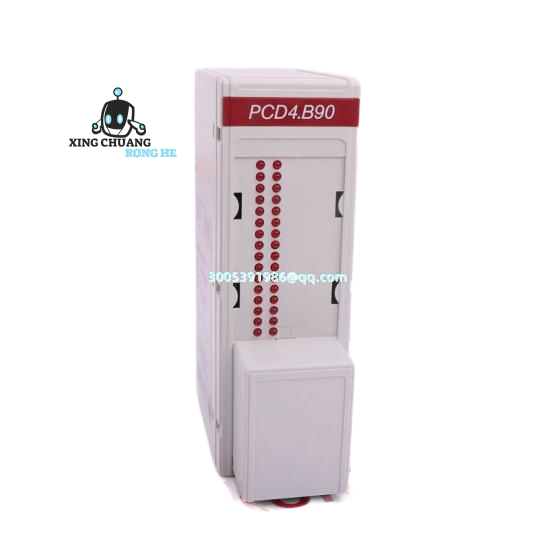
Why It Still Holds Up (Mostly)
Let’s be real – this isn’t winning tech awards. But that hardened epoxy potting compound inside? Survived two floods at a Louisiana sugar refinery I know of. The terminal blocks accept 14-24 AWG wire without stripping nightmares, and the relay outputs (rated 5A resistive) handle solenoid valves better than newer solid-state modules in high-vibration areas. Compatibility’s where it shines: plugs straight into Philips’ old INFI-90 backplanes, talks Modbus RTU to Emerson OVATION systems through a gateway, and plays nice with GE Fanuc RX3i I/O via custom mapping. No fancy redundancy though – single-point failure city, so smart plants keep at least one spare mounted on the panel’s end rail. Personally I’ve seen technicians jumper the 24VDC auxiliary power when the main supply dips below 190V, which keeps it limping along until shift change. Not elegant, but gets the job done when downtime costs $20k/hour.
There are no reviews yet.