

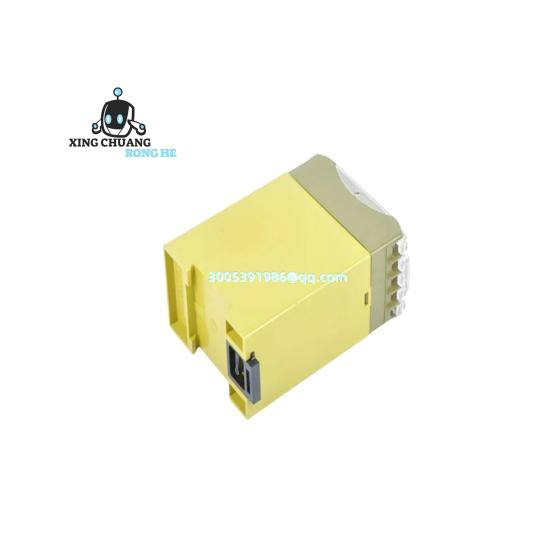
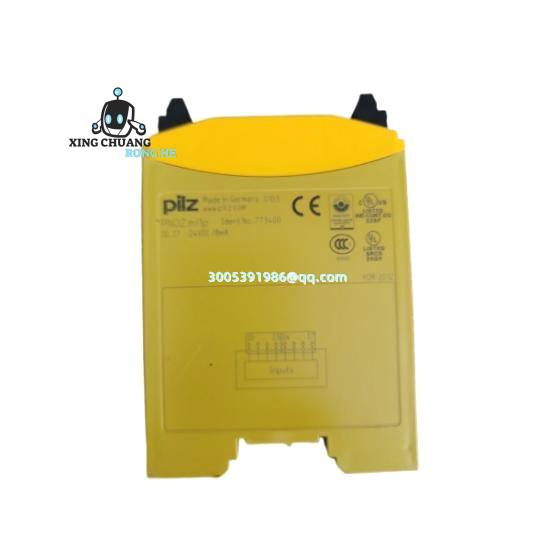
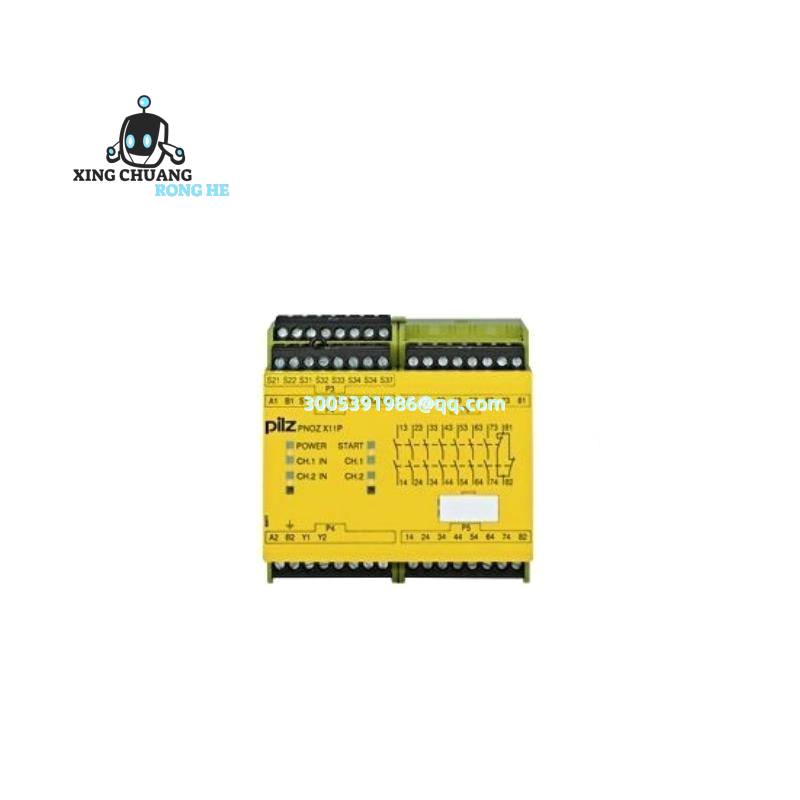
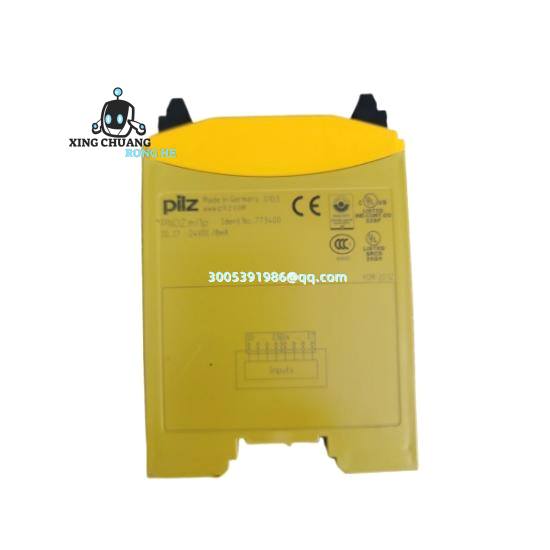
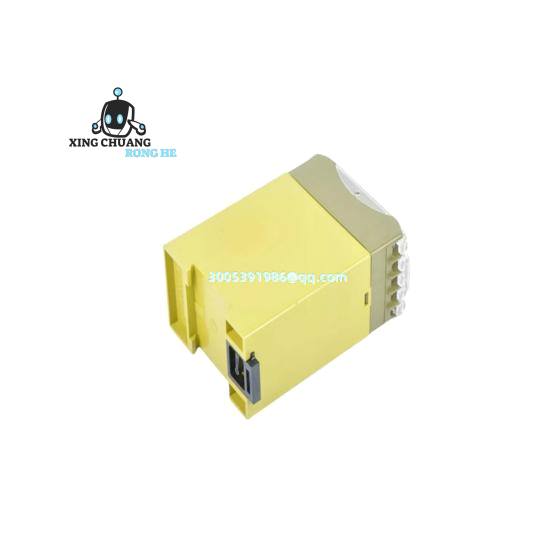
PILZ 301140 Position Control & Servo Drive Module: Precision That Holds Up When Production Gets Rough
If your robotic arms keep missing spots during high-speed runs or packaging lines drift out of sync after lunch breaks, the PILZ 301140 might be what you’ve been wrestling with. We’ve seen this module pull double duty in bottling plants where humidity hits 90% and in automotive weld cells that vibrate like a jackhammer. It handles positioning tasks that make cheaper drives throw fits—think conveyor transfers syncing with flying cutters or CNC spindles holding ±0.01mm tolerance all shift long.
| Brand | PILZ |
| Model | 301140 |
| Output Current | 3.0 A continuous (4.5 A peak) |
| Voltage Input | AC 200-240V ±10%, 50/60 Hz |
| Protection Rating | IP67 (dust-tight, withstands high-pressure washdowns) |
| Dimensions & Weight | 140 × 80 × 60 mm / 1.2 kg (fits standard DIN rail mounting) |
Where It Actually Gets Used (and What Else We Stock)
Last month a chocolate factory called us frantic—their depositor kept misaligning after 2000 units. Turns out their old drive couldn’t handle the sugar dust buildup. Swapped in the 301140, and it’s been humming through 10k units daily without recalibration. We see this thing everywhere: food processing (where IP67 isn’t optional), robotic welding cells (vibration resistance matters more than specs suggest), and even in those tricky palletizing systems that need torque control during sudden stops.
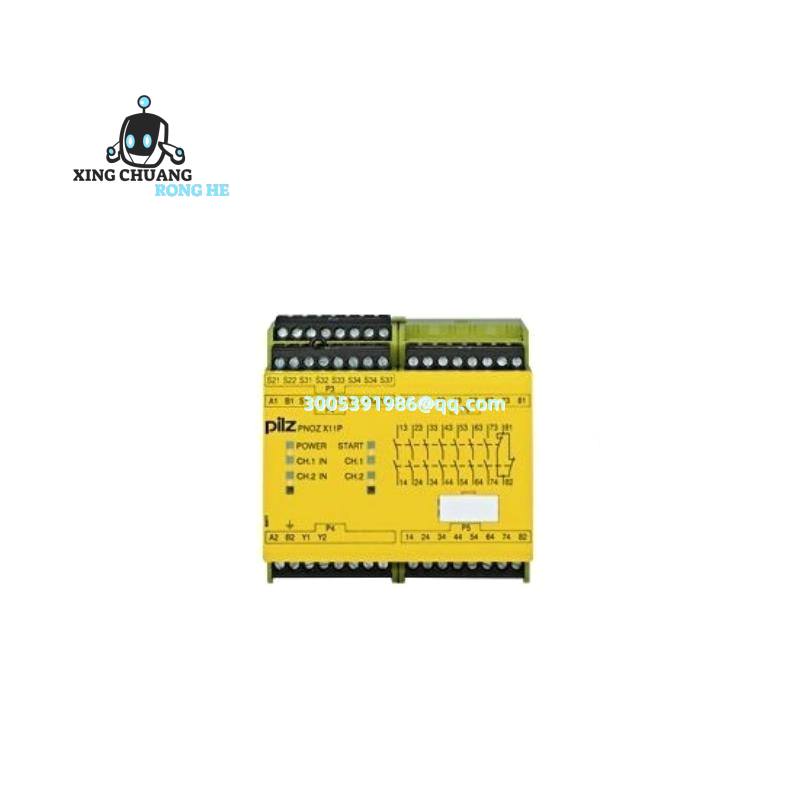
For similar pain points, we move a lot of GE’s IS220PPDAH1B for turbine control (handles voltage sags better than most), or Foxboro’s FBM230 when analog signal drift ruins your batch processes. If you’re running Allen Bradley systems, the 1756-L63 controllers pair surprisingly well with this PILZ module—saves you from ripping out existing infrastructure.
Why It Doesn’t Quit When Things Get Ugly
Let’s be real—most servo drives fail quietly during brownouts or when coolant sprays hit the cabinet. The 301140? Its internal bus design keeps running down to 170V AC input. Personally, I’ve seen one survive a 30-minute power dip during a storm while competitors dropped axis control. The torque control loop updates at 125 µs—fast enough that even when a conveyor jams, it won’t overshoot position by more than 0.02mm. Not bad for a module that costs less than half of some “premium” brands.
One shop foreman told us: “It’s the only drive that didn’t glitch when our 480V line spiked during arc welding.” That ruggedness comes from the sealed potting compound inside—not just that IP67 label. And while setup wizards can be hit-or-miss, the PNOZmulti configuration tool actually works without needing a PhD. Oh, and if you’re stuck with legacy systems? It talks Profibus, EtherCAT, and even plain old RS-485—no gateway headaches.
There are no reviews yet.